Barry Andrews MEP: In the occupied West Bank, I witnessed apartheid
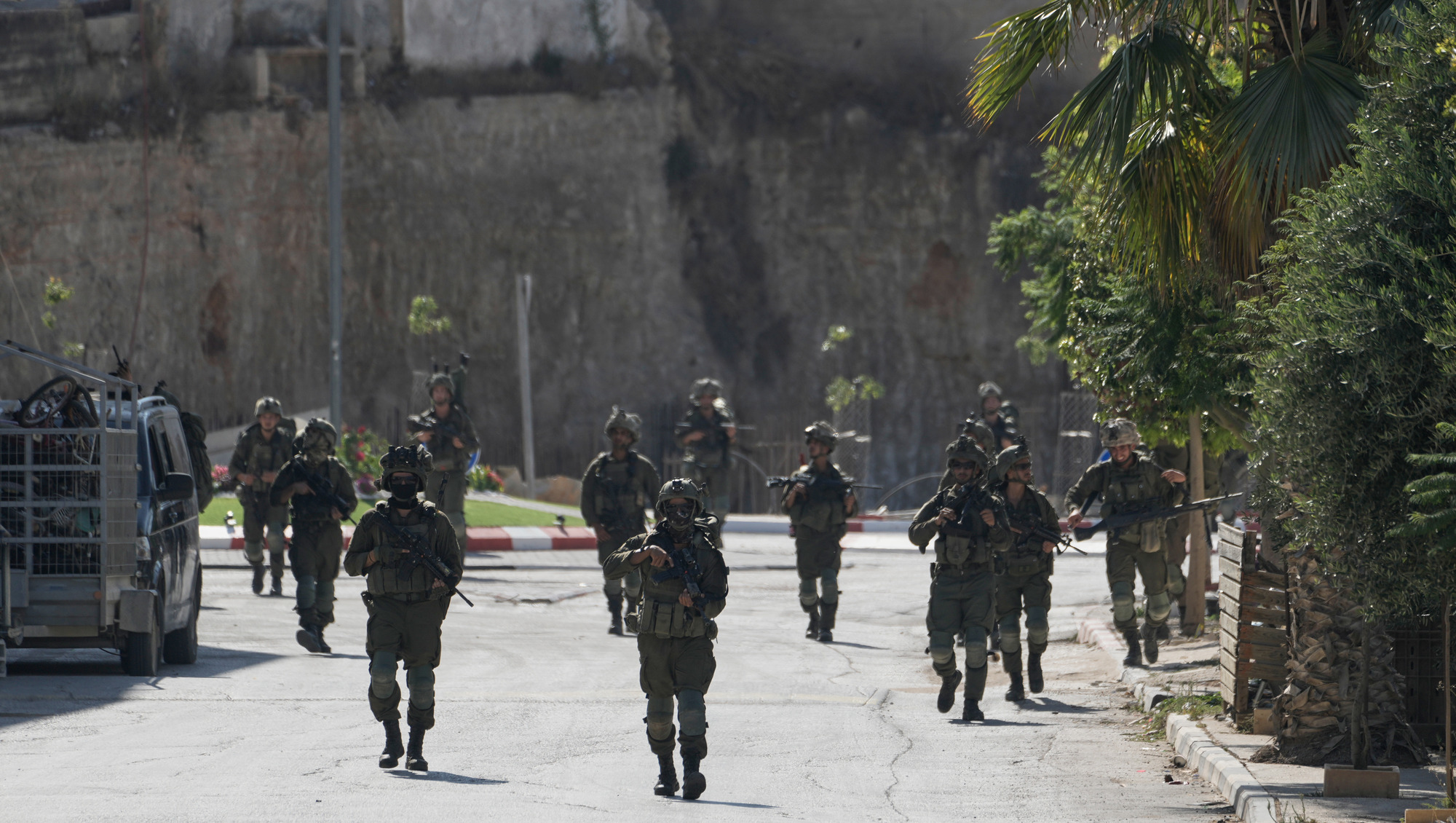
Israeli army soldiers patrol the streets of the occupied West Bank village of Qusra, south of Nablus. Picture: Majdi Mohammed/AP
Imagine living in Ballinasloe and needing to drive to Galway city. It would be just an hour’s drive west down the M6 motorway, with traffic maybe your only concern.
But what if you had to pass several concrete and steel military checkpoints, manned by 19-year-old soldiers, armed with M4 machine guns and surrounded with surveillance cameras. Passing each checkpoint means not knowing what uncertain, humiliating or life-threatening encounter awaits.
Your face is scanned into an AI-driven secret military database called Wolfpack. The AI system then codes you as green, yellow, or red, which not only decides whether you pass the checkpoint, often after hours of waiting, but whether the soldiers detain you or even open fire on your car.
Like from Ballinasloe to Galway, the drive from Bethlehem to Ramallah should take an hour, but it takes Palestinians up to five hours because of the checkpoints.
Read More
That is the reality of daily life in the occupied West Bank.
Amongst over 3m Palestinians, the Israeli army protects over 800,000 illegal settlers, ie colonisers, who have stolen land from local people. The area is full of "closed zones" for locals, while allowing Israeli settlers free rein, many of whom have come from abroad.
During my recent three-day visit to Israel and the West Bank, apartheid was clear in almost all walks of life. It is explicit, systematic, and supported by successive governments.
Palestinian schools only open three days a week, because the Israeli government has withheld €4bn in tax revenue from the Palestinian Authority. More than 3,000 illegal housing units are being built in East Jerusalem which will cut off the West Bank from the capital.
Palestinians very rarely get building permits and house demolitions are commonplace. We were told that one Palestinian woman was given the choice of paying a €30,000 fine for the government to demolish her home or she could do it herself. She did it herself.
Israeli settlements are quickly provided with electricity, water, and sewage facilities while Palestinians towns and villages are systematically cut off.
Just outside Jerusalem, the government is promoting a biblical archaeological theme park called Kings Garden, supposedly where King Solomon took his leisure three millennia ago. To make way, they are demolishing dozens of Palestinian homes.
Attacks on Palestinian Christians have also become more common, with many in the Old City routinely spat at and harassed. The week before our visit a French nun was assaulted. We visited the Christian village of Taybeh, known for its brewery, and heard about a steep increase in violence and discrimination against locals.
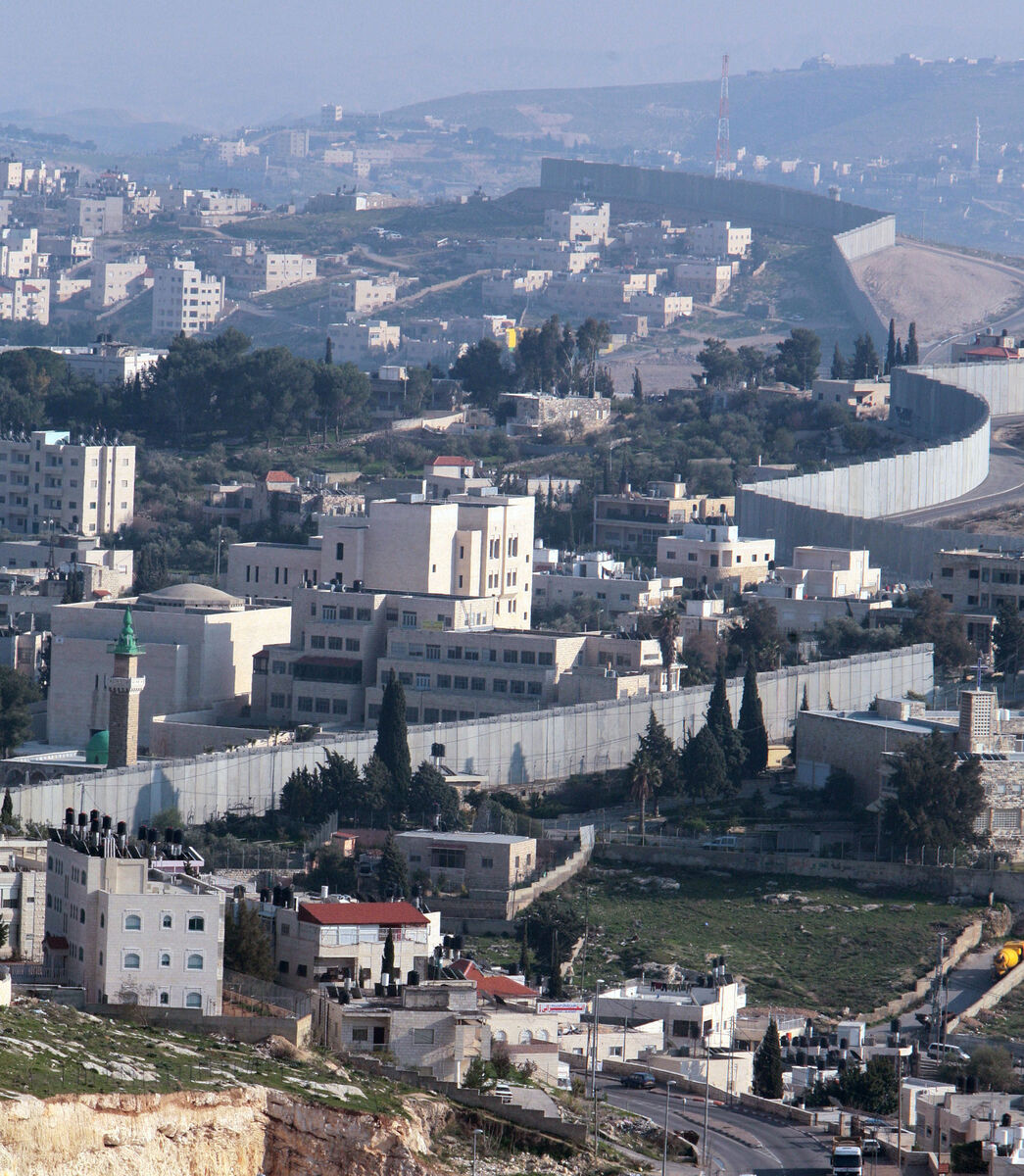
Many Christians will know of Hebron, the second biggest city in the West Bank, which is a microcosm of the apartheid system. We saw the grave of the New York-born terrorist Baruch Goldstein who murdered 29 Palestinians there in 1994. It is overlooked by an illegal settlement, home to national security minister Ben Gvir who sees Goldstein as a hero and reflects the extremist ideology at the centre of the current Israeli government.
The once vibrant old town of Hebron has become a ghost town. The camera surveillance system allows not only the security services but also settlers to use the Wolfpack app and target Palestinians and violently harass them daily.
Policing is at the heart of the apartheid system. Between 2005 and 2025 just 3% of complaints made against settlers led to a conviction. By contrast, 98% of Palestinians coming before Military Tribunals were convicted. Israeli civil law applies to the settlers, but military law applies to Palestinians.
We visited one abandoned village, where last July settlers set fire to the school and destroyed the local mosque. We had passed other abandoned villages but were advised not to get out because “it could end badly”. The village we did stop at would allow us “to see them coming”, we were told.
No city in the world compares with Jerusalem, containing within its wall’s centuries of tensions between faith communities. While in the Al Aqsa Mosque, the third holiest site for Muslims, we witnessed the high-profile US-born rabbi Yehudah Glick and his supporters, storm in. They prayed and sang for its destruction, under protection of the Israeli police, and then walked out past us — all in breach of the decades old status quo on religious sites.
Apartheid existed long before October 2023, but since has become a lot worse — with a huge increase in land grabs, settler violence, and the killing of civilians.
Israel depends on trade with the EU. We have the power to change their racist and violent policies. Shamefully, the governments in Berlin and Rome are still blocking EU action.
Smaller than Co Galway, the occupied West Bank has over 900 military checkpoints, roadblocks, and barriers.
Seeing that reality in person was truly shocking.
CONNECT WITH US TODAY



Be the first to know the latest news and updates