Sheila Gilheany: New alcohol labels should have been introduced today, but lobbyists derailed them
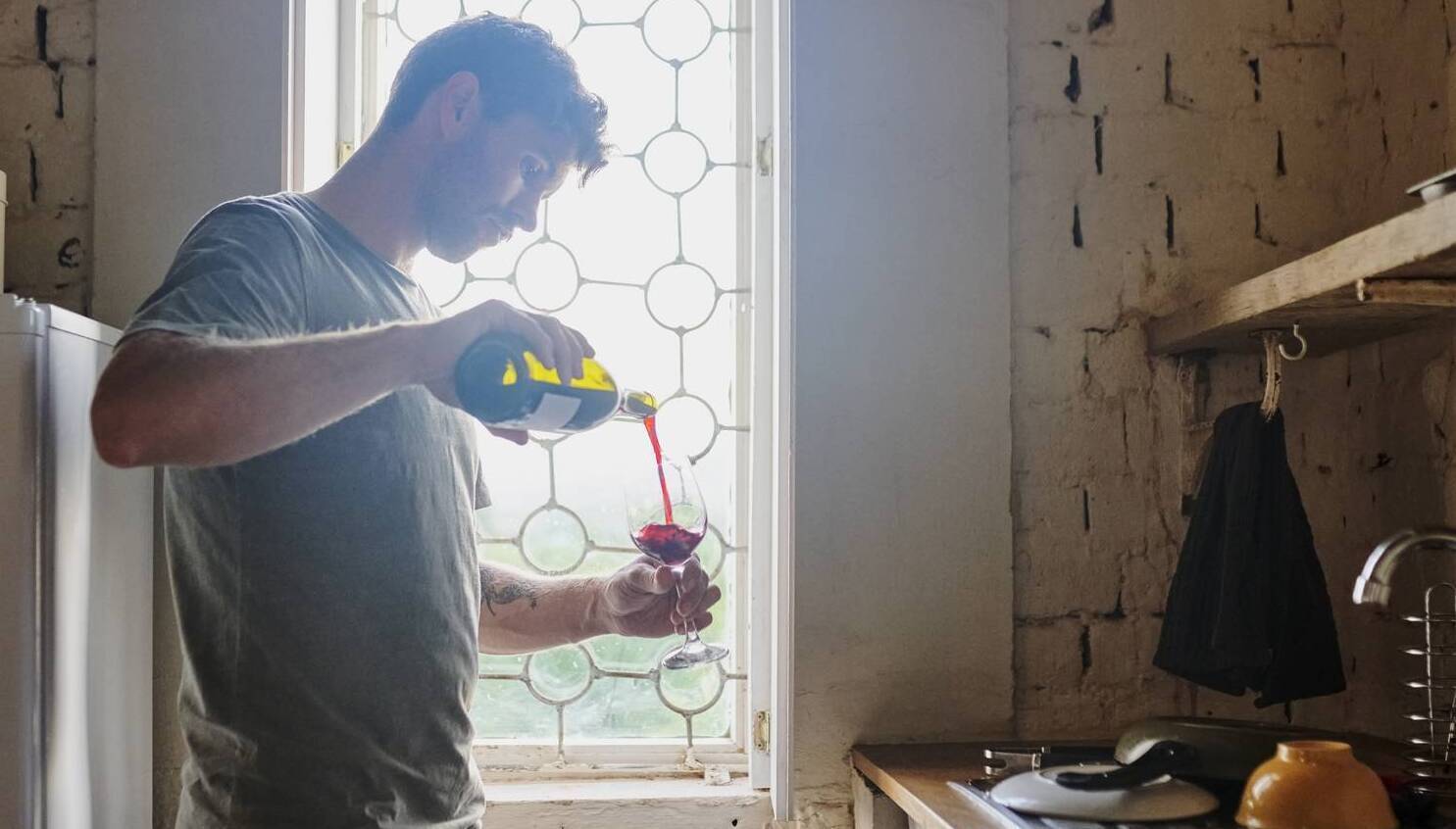
Four people die every day in Ireland from alcohol, with thousands more living with significant harms. Picture: iStock
Today, May 22, should have marked a proud moment for public health in Ireland, with the introduction of regulations ensuring all alcohol products would have to carry labels giving health information, including facts on cancer, liver disease, and pregnancy.
These are modest but necessary measures given four people die every day in Ireland from this product, with thousands more living with significant harms.
However, the Government capitulated to the intensive lobbying of the alcohol industry. Ireland’s regulations, which would have been a world-wide first, have now been delayed until September 2028, and remain under threat, with industry bodies openly saying this pause will be much more than a delay, positing health labelling should not be a matter for our Government but something to be addressed in the EU.

Given alcohol is exempted in the EU from even basic requirements to provide facts such as calories and ingredients, such a move would ensure no consumer either in Ireland or across the EU would ever be informed about the significant risks of alcohol.
For well over a decade, since labelling was first proposed, this industry has fought against it at national and international levels in an exceptionally well-co-ordinated attack, using many of the ploys of the tobacco industry, which was equally opposed to the labelling of its products.
One element of all such campaigns is that of delay. It took three years for the legislation to pass through the Oireachtas, and another five years before the labelling regulations went through processes with the EU and the World Trade Organization.
Even after that, the industry was granted three-year preparation time prior to the regulations becoming mandatory. Delays work to industry advantage both in putting off the day when the law is enforced, but also giving space for unforeseen opportunities.
Certainly, the threat of US tariffs in 2025 provided an ideal opening for the industry to yet again seek to derail the measure, rehearsing its well-worn claims, all while claiming to be committed to public health.
Analysis of industry submissions at EU level found remarkably similar language and arguments including: lack of evidence supporting the content of the labels; negative trade and economic impacts; outlandish claims of the costs of labelling; and potential risks to EU governance.

These arguments were also covered widely in the media. Interesting work has been carried out comparing news coverage in Ireland and Canada on the question of cancer warning labels, finding news coverage was more supportive of labels in Canada (68%) than Ireland (18%), where alcohol industry perspectives were consistently featured.
Researchers noted industry arguments opposing the cancer label bore similarities across both contexts, often distorting or denying the evidence.
Read More
Compounding this, the alcohol industry has been afforded multiple opportunities for meetings with the most senior members of the Government to press their case. In just a four-month period last year, there were at least seven face-to-face meetings on labelling with Government ministers, including the Taoiseach.
What is clear from freedom-of-information requests in relation to these meetings and from the actions of ministers, is that the alcohol industry focused on specific departments — particularly Enterprise — whose ministers then successfully pressed the minister for health to delay the introduction of the regulations.
How many more decisions are being made behind closed doors, with no public health experts present to challenge the disinformation?
There is an opportunity to address this issue in the upcoming Healthy Ireland strategy, which aims to protect the public from threats to health and wellbeing. In the previous strategy, there was to be national action across areas such as healthy eating, physical activity, mental health, tobacco and alcohol control, and to achieve this by a whole-of-Government approach.
However, more than half of all deaths in Ireland are caused by four industries: alcohol, tobacco, fossil fuels, and unhealthy foods. All of these industries employ similar strategies in denying the extent of the harms of their products, while ferociously resisting public health measures. Addressing these commercial determinants of health must now be a priority.
Healthy Ireland will need structures to address lobbying activities and to ensure coherency across Government on health, not the current siloed approach which can be easily exploited by determined actors.
Let’s make sure the labelling debacle is the last time a health harming industry is allowed to set the conditions of their own regulation.
- Sheila Gilheany is chief executive of Alcohol Action Ireland