Dominic Crowley: We spend 30 times more killing each other than ensuring everyone is fed
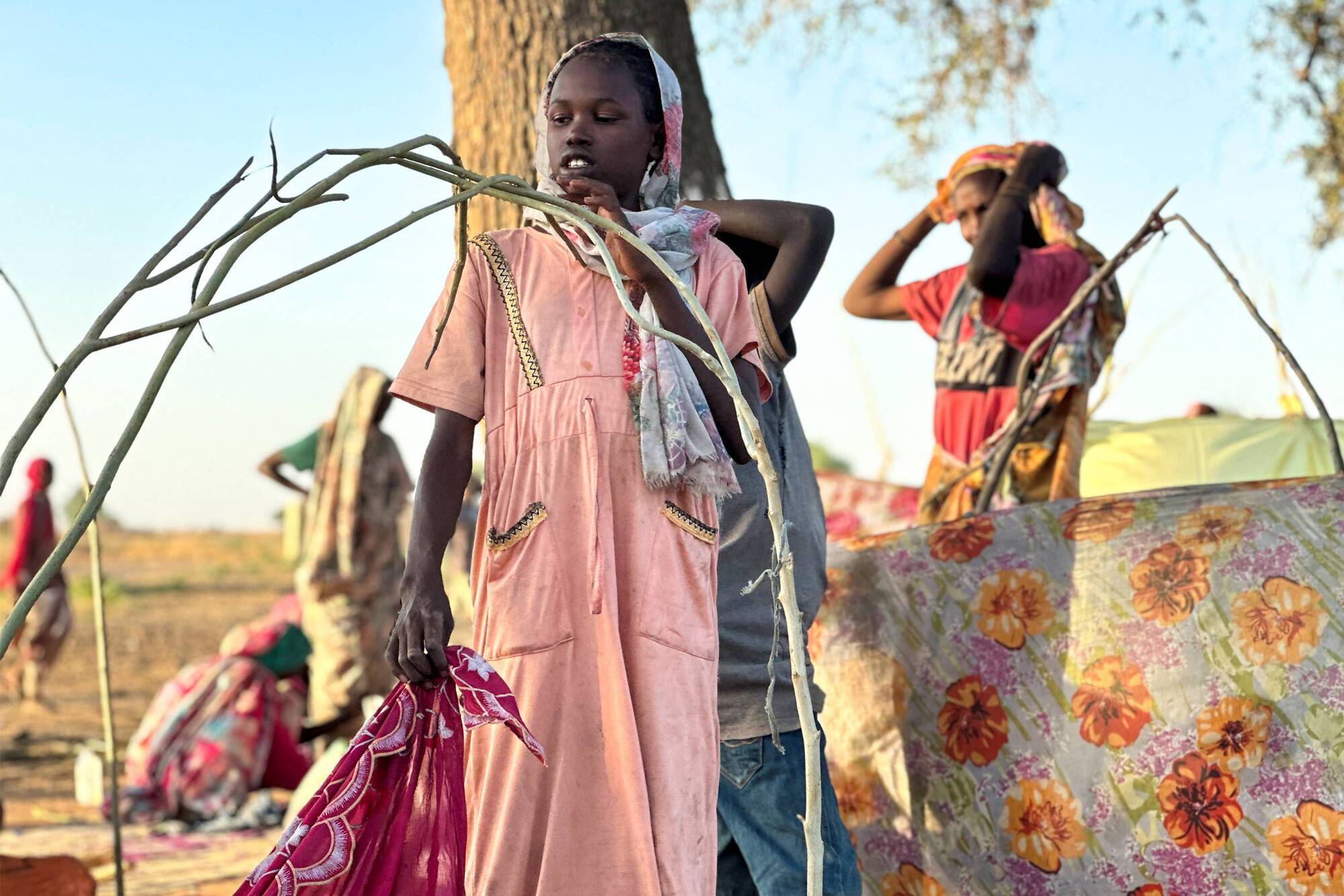
Displaced Sudanese who fled El-Fasher after the city fell to the Rapid Support Forces rest near the town of Tawila in war-torn Sudan's western Darfur region. Picture: Getty Images
UN Protection of Civilians Week (May 18-22) is a critical opportunity to confront a stark reality: despite the lessons of history and clear legal obligations, we are witnessing an alarming escalation in violations of international law, and the sustained unravelling of the protection of civilians. Millions of ordinary people are paying a price for this.
In 2025, the UN recorded more than 37,000 civilian deaths across 20 armed conflicts — approximately one civilian death every 14 minutes as a result of the way in which these conflicts were being prosecuted. By the UN’s own admission, this appalling figure is a minimum estimate, one that reflects only what could be verified.
In his report to the UN Security Council ahead of this week’s open debate, UN secretary general Antonio Guetteres, notes a consistent pattern across all armed conflicts: “civilians bore the brunt of hostilities, suffered killing and injury, sexual violence, repeated displacement, hunger, and terror.
“Critical infrastructure was destroyed or damaged, whether from direct attacks or incidental harm. Essential services including food, healthcare, water, electricity, sanitation and shelter were disrupted, obstructed and rendered inaccessible, pushing already fragile populations toward catastrophe. This unfolded amid legal and political impunity.”
The number of deaths is chilling. But the scale of the suffering continues long after the last bullet is fired, or the last bomb is dropped.
Conflict was the primary driver of hunger last year, with 147m people experiencing crisis or worse levels of food insecurity. Conflict contributed to the record number of people displaced around the world, with 117m people forced to leave their homes, abandoning their farms and their livelihoods, with families repeatedly displaced, parents unable to provide food for their children, and kids cut off from school and stability.
My colleagues are witnessing that pattern being repeated in many of the countries in which Concern works, whether that is Sudan or Gaza, the Democratic Republic of Congo or Ukraine. In Sudan, where the conflict is now in its fourth year, nearly 19.5m people — approximately 41% of the country’s population — continue to face high levels of acute food insecurity. The risk of famine has been identified in 14 areas. An estimated 825,000 children under-five expected to be severely malnourished this year.
It is a sad reality that, despite the scale of death and suffering as a result of conflict, governments around the world are cutting humanitarian aid while increasing defence spending — forcing humanitarians into impossible choices about whose lives can be saved.
In 2024 global military expenditure climbed to $2.7tn — 30 times more than what it would take annually to end world hunger by 2030. Only a fraction — roughly 1% — of that spending would be enough to fully fund the Global Humanitarian Appeal for this year.
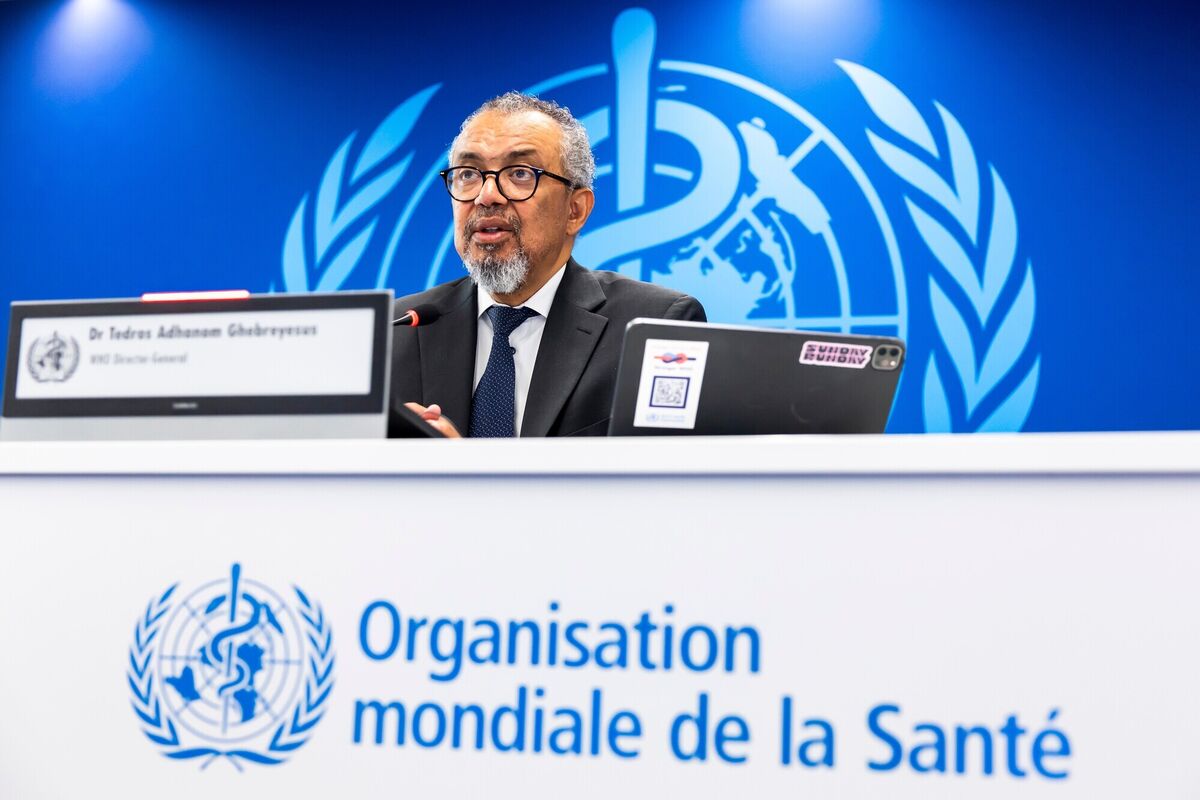
WHO director general Tedros Adhanom Ghebreyesus captured it well: “That means we spend almost 30 times more every year on killing each other, than on making sure everyone eats. Numbers don't lie. Our priorities do.”
So, with the time given this week to review how best governments could better protect some of the world’s most vulnerable civilians, what actions will they take? Twelve months from now, when world leaders again gather in New York for the UN Protection of Civilians Week 2027, what will have changed?
Governments must confront the erosion of civilian protection in armed conflict and take urgent action to uphold international law. Endorsing and implementing the Political Declaration on the use of explosive weapons in populated areas must be seen as urgent steps in enhancing the protection of civilians.
States must also ensure humanitarian actors have both the access and the capacity to respond to escalating protection needs in conflict settings, including through unimpeded access and sustained, predictable funding.
Beyond policies and operational measures, the culture of impunity must end. Ireland should continue to use its principled voice at the UN and in the EU to condemn harm against civilian populations and encourage other states to do the same.
States must also act to break the paralysis of the UN Security Council, the body responsible for maintaining international peace and security. Over the past decade, its permanent members have used the veto 51 times, repeatedly blocking action in the face of grave crises with devastating consequences for civilians.
Twenty-five years ago, French foreign minister Hubert Védrine proposed that the UN Security Council’s five permanent members should voluntarily refrain from using their veto in situations of mass atrocities. Surely now is the time that this was proposal was adopted.
At a time when global military spending continues to rise while humanitarian funding is cut, governments must urgently rebalance their priorities toward protecting civilian life, preventing harm and upholding international law. Failure to do so will further entrench a culture of impunity and enable the dangerous cycle of harm and suffering to continue.

CONNECT WITH US TODAY



Be the first to know the latest news and updates