Restaurants are desperately waiting for the reduced Vat rate
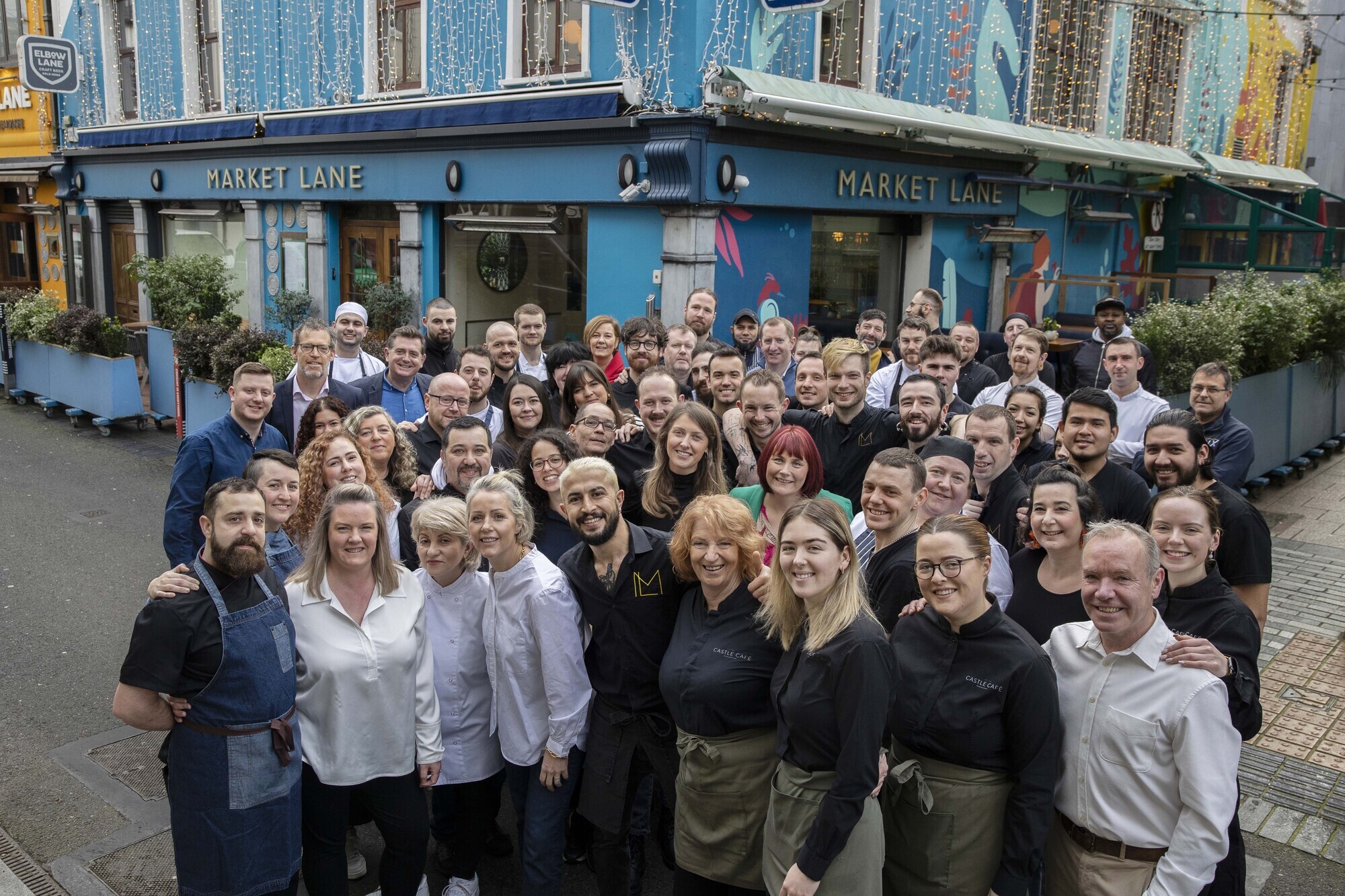
The Market Lane Group operates five restaurants in Cork, four of which have traded for over a decade. Picture: Clare Keogh
The cost of living is a pressing issue for providers and buyers of products and services alike; it is on everyone’s mind.
For our restaurants, as with most businesses, the challenge is to cover rising costs while still serving customers at price points that keep them coming back. It’s a fine balancing act. If one gets out of control — costs spiral or custom drops — the ripple effect can be catastrophic for everyone in the chain.
We are relatively lucky. All our teams (suppliers, staff and indeed customers) love what we do and go the extra mile every day. We operate five restaurants in Cork, four of which have traded for over a decade.
However, 2026 has seen the biggest business challenges for us since covid. We very much welcome the introduction of the new 9% Vat rate from July 1, 2026. It offers a significant lifeline to help our sector stay afloat.

In the year-to-date, the biggest cost challenge has been the additional Government-imposed employment costs for all businesses: auto-enrolment pension schemes, minimum wage increases, and paid sick leave. It was in recognition that the hospitality sector could not implement these measures without support that it agreed to reduce Vat.
It is the smaller, owner-operated restaurants that have been most affected by employment costs, as they are limited by the number of diners they can seat to offset rising costs. Alongside employment costs, the prices of food, drink, coffee, and fuel have also increased significantly this year.
The delay in introducing the lower Vat rate from January to June, while all other costs were rising, has stretched our businesses to the limit. What was a break-even business is now a loss-making one, while we wait for the introduction of the lower Vat rate to help counterbalance costs.
In rough terms, it will mean that for every customer who spends €30 with us, we will have an extra €1 towards costs. While this may not seem big, it is significant, and it means greater stability for our staff, our producer suppliers, and our customers.
The vast majority of tourism and hospitality businesses are SMEs, traditionally considered the backbone of the national economy. They also play a vital role in bringing people together, as we've seen, especially with the disproportionate number of restaurant and hotel closures in rural areas.

This sector is also one of the country's largest employers, accounting for over 250,000 jobs nationwide, and one in 10 jobs in the region.
Protecting these businesses and jobs is what we believe the Government is here to do. The new Vat rate will certainly help with this.
As a society, we have recognised that rural isolation and excessive screen time are corrosive factors and behaviours we need to tackle. The pubs, restaurants, cafés, and hotel lobbies across the land give us an opportunity to spend time away from screens and with each other.
We have realised that these are not just places where we go to sleep, eat and drink. Rather, they are places where we celebrate at weddings, commiserate at funerals, go on dates, watch matches, play cards and where your teenage daughter or son finds their first job to help with the college fees.
I am a great believer in the power of the communal hearth, and the hospitality sector provides that local meeting place that pushes back against rural loneliness and encourages people to put their phones down and talk to their neighbours. When this is lost through permanent closures of restaurants and hotels, there is a sense of the community being 'ripped through'.

By reducing the Vat imposed on these businesses, the Government has acknowledged the vital importance of these spaces to local communities.
Tourism Ireland relies heavily on inbound tourism, and part of what we sell visitors, along with natural landscapes and cultural and historic immersion, is Irish hospitality. Our reputation as a foodie destination has been an increasingly important part of marketing Cork and Ireland both abroad and at home.
If a key plank of the appeal to visitors is missing due to onerous taxation and high raw material prices, Ireland suffers as tourists miss what they came for and go elsewhere.
We welcome the help that the Vat reduction will provide our business going forward, although we expect the tough trading conditions to continue.
We have suggested to the Government that the Vat reduction be linked to hospitality businesses that buy more than 50% of their food from local and regional suppliers, to ensure the Vat reduction dividend stays within the community.

This system has been implemented successfully in many other European countries. We remain committed to this view.
Cork has an exciting future, and we are working with Fáilte Ireland on their plans to name Cork City the Food Capital of Ireland. For this to happen, the city needs a robust, high-quality food offering. Every restaurant that thrives adds to this.
- Conrad Howard is co-owner of the Market Lane Group