Successive governments have “given steroids to the weather”, allowing it to land “stronger punches” by not taking action on climate change, resulting in wetter seasons, more intense storms, and increasingly dangerous animal diseases.
The Climate Change Advisory Council’s latest report said that, as well as six of the 10 wettest ever autumns occurring in the past 25 years, the shifting climate is leading to conditions that allow the likes of avian flu and ash dieback to spread.
An outbreak of bird flu in East Cork late last year saw Fota Wildlife Park compelled to shut between October and December, while hurley makers have warned that ash dieback in recent years has caused a crisis of supply in the sport.
Seven of the 10 warmest years on record have occurred since 2005, with last year the second warmest year on record, with average summer temperatures almost 2C above the longtime average between 1961 and 1990. Recording-breaking warm conditions last spring and summer resulted in Uisce Éireann declaring drought status for 49 water supplies in 15 counties.
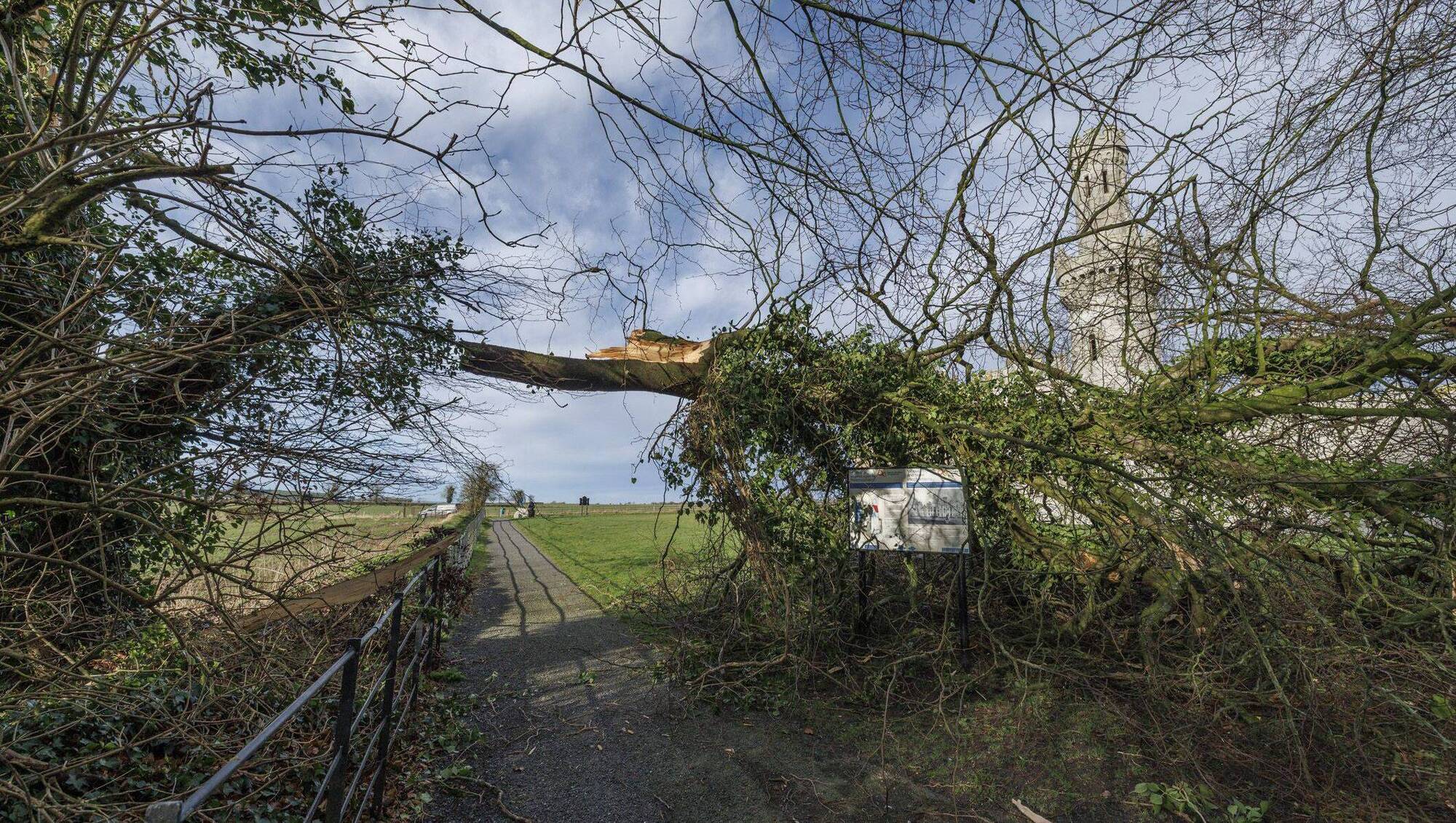
Storm Éowyn was the most expensive storm-related insurance event in Irish history, with claims in excess of €301m, and the 213.4mm of rain that fell at Cork Airport in February 2025 was 220% of its average rainfall between 1991 and 2020.
The arrival of species including the Asian hornet, with nests found in Cork and Cobh last September, and the continued prevalence of diseases such as ash dieback and outbreaks of blue tongue and the highly pathogenic avian flu, are a harbinger of what is to come.
The chairman of the adaptation committee of the Climate Change Advisory Council, Maynooth professor Peter Thorne, said: “We need to get moving from plans on paper to shovels in the ground to make us prepared for the actions of climate change.
“How quickly do we forget Storm Éowyn, the heatwave and drought of 2018, or the ‘beast from the east’ in 2018? We have to be resilient to all kinds of things.
“We have to be ready for what the weather throws at us, and the trouble is that we are loading the dice, we are giving steroids to the weather, so the weather is landing stronger and stronger punches.”
The Climate Council’s report warns that “protecting people, infrastructure, and the economy will require sustained investment in climate resilience, alongside co-ordinated policy and long-term planning”.
It’s not being given the priority that it should be. If it is an emergency — and it is from any objective scientific perspective — we should be over-achieving the carbon budgets, not under-achieving.
Carbon budgets, which allocate emissions ceilings to the likes of motorists, households, farmers, businesses, and industry in five-year cycles, aimed to reduce emissions by 4.8% a year from 2021 to 2025 under the first block, while the 2026-2030 budget will increase that annual reduction target to 8.3%. Current data shows such milestones are way off course.
Prof Thorne said successive governments have not taken steps to offset the impacts of climate change.
“We must shift from reacting to extreme weather events to anticipating and preparing for them.”
He also criticised the lack of urgency in expanding public transport facilities, including the Cork Luas.
“Look at Amsterdam, look at Copenhagen, look more recently at Paris — these are cities that have transformed their transport systems to become almost zero-car dependent.”
He pointed out that the council had written to the transport minister Darragh O’Brien in February to raise concerns about growing congestion in Irish cities.
The correspondence told Mr O’Brien such congestion was resulting “in huge levels of public frustration, increased transport emissions, significant loss of economic productivity and negative impacts on public health and quality of life for people stuck in prolonged traffic.”
The Climate Council report is also calling on Ireland to reduce its dependency on fossil fuels.
It adds: “Our continued reliance on economically volatile imported fossil fuels leaves households, communities and businesses acutely vulnerable to shocks such as the current conflict in the Middle East.”

Continue reading for €5
Unlock unlimited access and exclusive benefits
Already a subscriber? Sign in
Cancel anytime
CLIMATE & SUSTAINABILITY HUB
CONNECT WITH US TODAY
Be the first to know the latest news and updates