Reaction to Timothée Chalamet's comment on opera and ballet prove they are not dying art forms
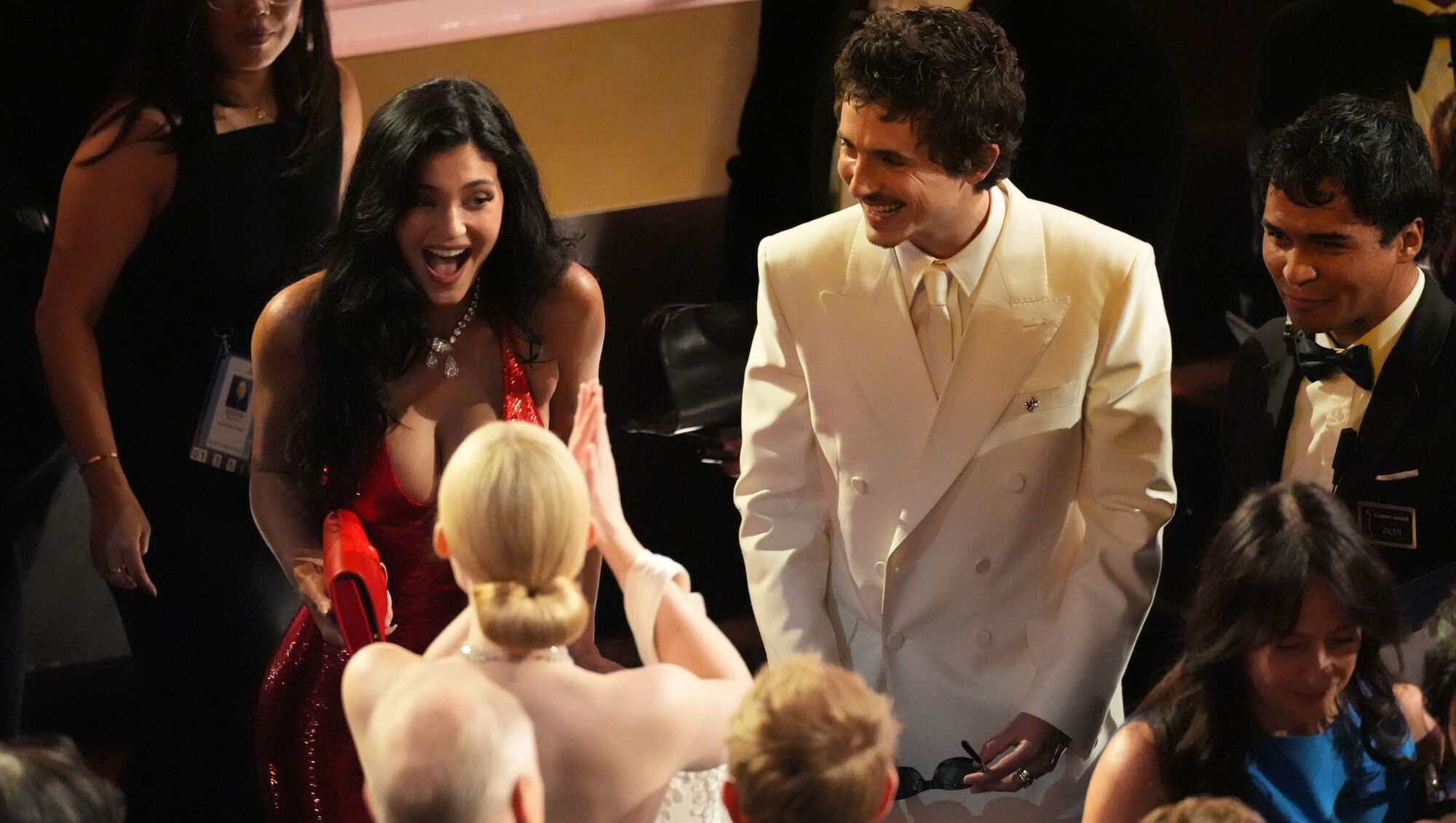
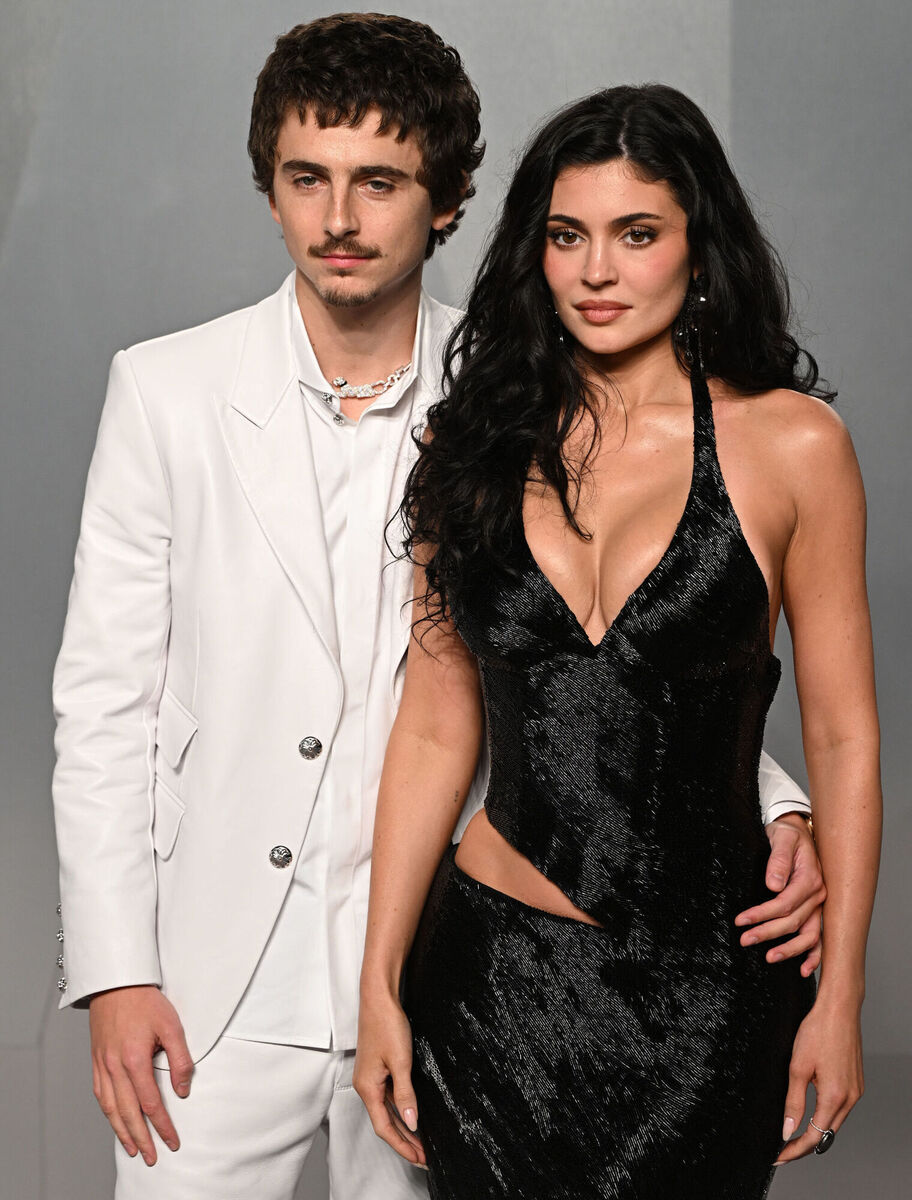
Kylie Jenner (left) and Timothee Chalamet (right) greet Elle Fanning at the Oscars in March. He did not win an award. Whether or not it was because of his comments about opera and ballet one cannot be sure, but it certainly did not help his case. Photo: AP/Chris Pizzello
Now that some time has passed since actor Timothée Chalamet’s controversial interview with Matthew McConaughey on CNN, one can reflect on the situation and the reactions of people from a more broad, objective point of view.
To paraphrase the interview in question, given in March this year, Chalamet boldly stated that opera and ballet are dying art forms which nobody cares about, and that he has no desire to work in these fields. The backlash and reactions to his comments were immediate and cutting.
Read More
Many celebrities disagreed with Chalamet, including rapper DojaCat and actress Whoopie Goldberg. Social media was flooded with memes, TikToks and reels making fun of him.
There was an assumption that he was out of the running to win an Oscar this year because of his words. He did not win. Whether or not it was because of his comments about opera and ballet one cannot be sure, but it certainly did not help his case.
Fortunately, there was some positive fall-out from the interview; Chalamet inadvertently shone a spotlight on the opera and ballet industries. Curiosity and support grew for the art forms, and in turn so did ticket sales. It is important not to lose that interest and support.
They are two of the oldest forms of theatre that have often commented on and presented political and social issues on stage. Even though many of the pieces that are performed today were written as far back as the 16th century, the themes highlighted are still ever-present and hold up a mirror to today’s society.
Sexism, misogyny, femicide and toxic hierarchy are rampant in our world, and can be seen on stage in operas composed in centuries past, such as , and to name but a few.
This May, Blackwater Valley Opera Festival (BVOF) is performing Mozart’s opera , in which I will be performing the role of Zerlina. Composed and performed in the year 1787, the opera follows the story of a Machiavellian nobleman who is woman crazy. He uses his status, money and power to always get what he wants, and who he wants.
Within the first few minutes, Don Giovanni has already assaulted Donna Anna and killed her father. The opera continues in this vein, whereby the Don takes advantage of many women, including Zerlina who has no power or social standing compared to him.
One would hope this kind of behaviour is a thing of the past, but it is unfortunately more present than ever.
We need opera to keep reminding us of the frailty, failures and insecurities of humanity, and to learn from it. Opera can indeed highlight the dark underbelly of society, but it can also depict universally positive emotions and life experiences.
Opera can often be funny and uplifting, and is suitable for people of all ages. I am currently studying at The Dutch National Opera Academy (DNOA), an opera performance masters run by the two leading conservatories in The Netherlands and artistically led by Irish tenor Paul McNamara.
Four operas are produced by The DNOA each season, two of which are performed in community-based music festivals. They are free, unticketed performances, so the crowd consists of people from every generation and background. It largely includes young people and children, who are the future of opera and ballet.
BVOF also has free outdoor performances across Waterford and Cork where the music consists of opera, art songs and musical theatre, as well as free education programmes for students. I performed in these free open-air concerts in 2024, alongside a choir of children from the local primary schools.
Some people, like Chalamet, assume opera is an artform only enjoyed by older, wealthier people. This is wholly not true, opera is enjoyed by people of all ages and backgrounds. It ultimately brings people together and offers them a shared experience. In today’s world, that kind of connection is more precious than ever.
One thing is clear; masses of people, artists and otherwise, will vehemently protect these artforms as the world around us changes, with trends coming and going at lightning speed and huge advancements in AI and technology threatening creativity.
To quote the recent interview with actress Charlize Theron, AI will not be able to replace a person on a stage dancing live. As an opera singer, I do believe that opera is just like ballet, but for the voice; it demands the highest level of control and understanding over an instrument that is within us.
So, just like ballerinas, our body is needed to create art, to move an audience, to tell a story. And that skill cannot be recreated or replaced by anything that is non-human.
- Aimee Kearney is a BVOF Bursary Award winner and will be playing the role of Zerlina in at the Blackwater Valley Opera Festival which takes place 26 May – 1 June.

CONNECT WITH US TODAY



Be the first to know the latest news and updates