Culture That Made Me: Kieran Cuddihy on Freakscene, Oasis, and meeting a film hero
From music in Freakscene to meeting a film hero, Kieran Cuddihy shares his touchstones with Richard Fitzpatrick
Culture That Made Me: Kieran Cuddihy on Freakscene, Oasis, and meeting a film hero

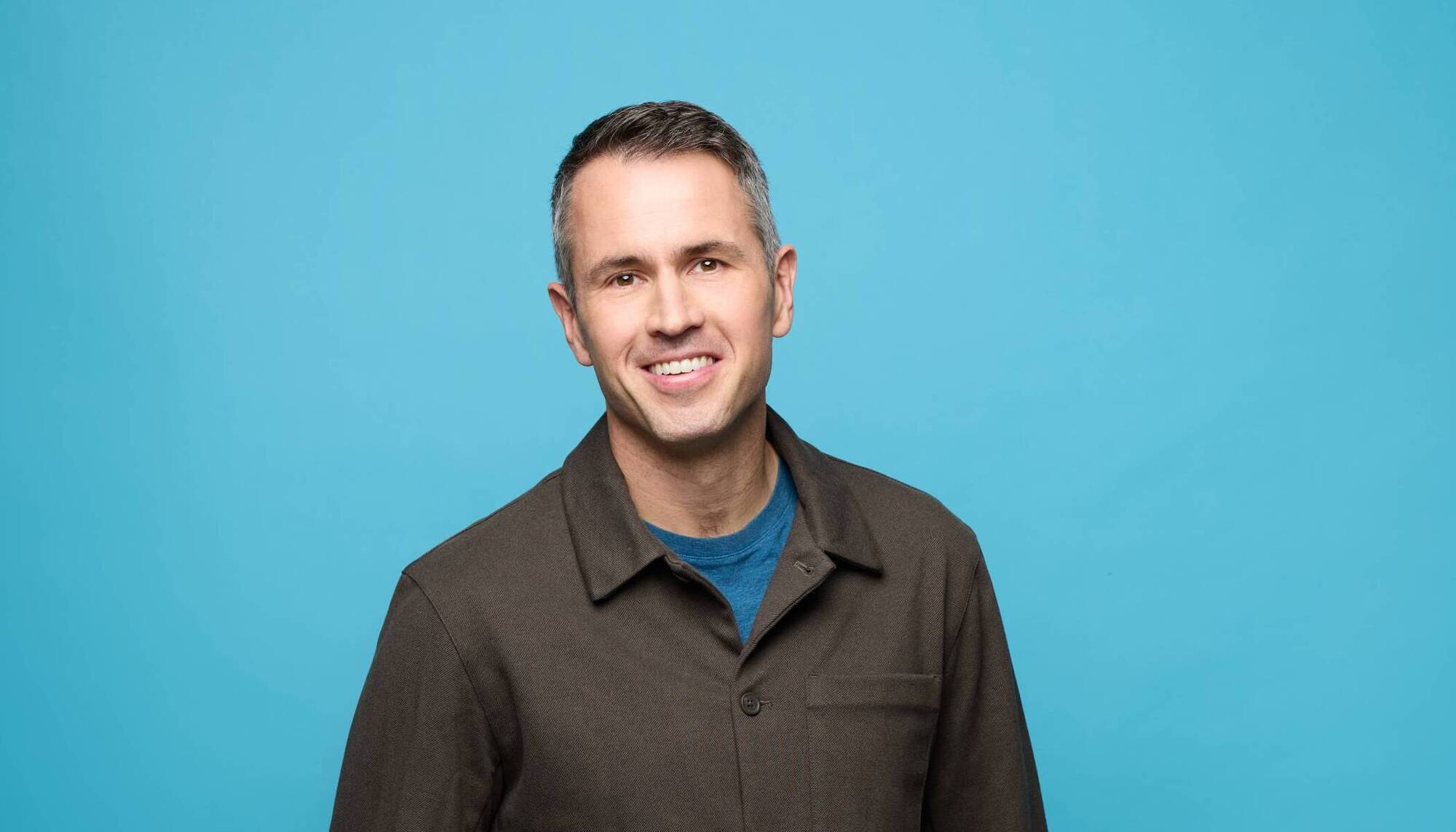
Liveline host Kieran Cuddihy

Kieran Cuddihy, 43, grew up in Kilkenny city. Having studied law at University College Cork, he worked as a solicitor. 

In 2011, he joined Newstalk, going on to anchor its breakfast show in 2018 and The Hard Shoulder from 2020. 

He joined RTÉ last November, taking over as presenter of the station’s Liveline radio show.

The Sopranos

The Sopranos started when I was in school. I was about 16. It was so immersive in a way older shows hadn’t been to that point, shows you’d enjoy on the surface. They might excite, titillate or scare you, but The Sopranos felt like you’re suddenly inside this world. You could map out the area they lived in, the delicatessen they went to, where the strip club was, all these places. The characters were amazing. Its ability to continually hit the right notes, season after season, was incredible. Unlike other shows, The Sopranos never felt like it waned.

Band of Brothers

Band of Brothers came out in 2001. I was still a teenager watching it. It was incredible television. 

(Left to right) Maj Richard Winters (Damian Lewis); Capt Lewis Nixon (Ron Livingston); Lt Carwood Lipton (Donnie Wahlberg); T Sgt Donald Malarkey (Scott Grimes) in Band of Brothers

It was about the U.S. Army’s 101st Airborne Division, following them from basic training to the end of the Second World War. When they filmed Band of Brothers, a lot of the show’s real characters were still alive, so they started every episode interviewing them – these 80-year-old American guys talking, all teary-eyed, about their friends who’d been killed in places like Bastogne, and about how difficult it was. Then the show would start, a dramatisation of what you just heard them talking about. It felt so real in that sense.

Father Ted

Father Ted was amazing television, endlessly quotable. It’s so brilliant, so surreal. I guess it’s an alien world for somebody watching today, but when I first watched it, as well as being funny, it was a social commentary on a thing that still existed. I was an altar boy in school, a coveted position – we had to do job interviews to land it. It was a big thing to get funerals or weddings because you got tipped. We went on altar boys’ tours with other altar boys once a year. Or we’d be brought to the circus by the parish priest, which sounds like the plot to a Father Ted episode. It’s why it struck a chord.

Oasis at Lansdowne Road

Oasis at Lansdowne Road in 2000 was class. When (What’s the Story) Morning Glory came out a few years earlier, they were at their peak. 

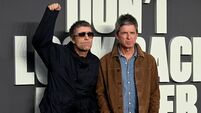
Liam Gallagher performing with Oasis at Lansdowne Road in 2000.

It was world domination, but their next album, Be Here Now, was kinda crap. But I was such a fan I was still operating with the principle that these guys could do no wrong. I remember when Be Here Now came out in 1997 I went down to Heartbeat City, the music store in Kilkenny, at the crack of dawn, to get my hands on the album, to be one of the first people who had it. I thought there’d be loads of people there, but there were no other customers around. The gig at Lansdowne was incredible. I was probably 17, probably had a few drinks, a bit of wildness. It was a whole new world opening up.

Freakscene

In college in Cork, there was a generation just older than us who had seen, like, Nirvana and Sonic Youth live in the city. 

Older generations bragged about Nirvana and Sonic Youth in Cork, we had Freakscene.

They would brag about it. Unfortunately, I just missed that. For us, it was all about nightclubs. In the Savoy on Patrick Street, there used to be a night called Freakscene. It was deadly. It was brilliant music, slightly alternative, a lot of dance and electronic music. Because it was a dedicated night, put on every Wednesday, you ended up with the same crowd who went all the time. So, you’d see the same people there. We didn’t even go to the pub. We were at home until it was time to go to Freakscene. Then you’d be there till two or half two in the morning. It was class.

Jaws

Jaws is the best movie ever made. There’s no pointless exposition in it, no let up. It clips along at a great pace. The sense of adventure, that impending sense of dread the whole time. You never really see the shark until the end. Then when you do, it looks rubbish. By all accounts, it’s why they didn’t show it earlier. It’s one of those movies; you cannot turn it off when it comes on.

There was an interactive showing of Jaws in Dublin’s Mansion House in 2014. I was sent down by Newstalk. I was ecstatic: “I’m gonna get to talk to Richard Dreyfus about Jaws!” All he wanted to talk about was that loads of sharks were killed off the back of the movie, shark hunting had increased, which I know is an important issue. It should be highlighted, but it was a never-meet-your-heroes moment. I was there saying, “This is my favourite movie. I love it! I love you! This is incredible. I need your sense of this movie.” And he said: “But can I tell you about the terrible impact this movie had on sharks?” I was like, “Oh, okay, if you must.”

Jim Carrey

I love The Truman Show. The movie was such a mad concept. It was so creative. Jim Carrey is such a good comic actor. Like lots of comic actors, he got slightly pigeonholed. But his performances in The Truman Show and in Eternal Sunshine of the Spotless Mind were brilliant. He doesn’t get the credit for his appearances in those movies. He’s amazing in them.

David Attenborough

David Attenborough’s nature documentaries – Life in the Freezer, The Life of Birds, Life in the Undergrowth, The Blue Planet series – are incredible. He’s a key element. His voice is so smooth. It’s amazing to find somebody for whom there’s almost no cohort of people who dislike him.

Most people, even if they’re very popular, will have a cohort of people they rub up the wrong way. He’s beyond criticism. It’s hard to define likeability in broadcasting, but he has it in bucket loads, and it’s not a cuddly likeability. I’d imagine he could be a bit curmudgeonly. The shows are so beloved.

Stalingrad

Antony Beevor’s book  Stalingrad is amazing. I’ve read it a few times. 

Antony Beevor.
Antony Beevor.

I’ve read other books of his, including Berlin, D-Day, the one he did on the Spanish Civil War. They’re very good, but they’re not as good as Stalingrad for some reason. Stalingrad is so well researched. It reads like a novel in the sense of danger, trepidation, terror and horror the different people in the book are experiencing. It’s a brilliant book.

Wolf Hall

I love Hilary Mantel’s Wolf Hall trilogy. It engages you as a story; you care about the characters. From an Irish point of view, it’s interesting you care about Thomas Cromwell who might not be a character who would attract natural sympathy in Ireland. Then there’s the historical context.

There are reasons people are fascinated by that period in the history of these islands. It’s not just because Henry VIII was such an odd character with all these wives. There were the religious upheavals, the consequences of which trickled down for centuries. Hilary Mantel does a brilliant job of presenting the issues in the way people understood them at the time.

x

More in this section

Scene & Heard

Newsletter

Music, film art, culture, books and more from Munster and beyond.......curated weekly by the Irish Examiner Arts Editor.

Cookie Policy Privacy Policy Brand Safety FAQ Help Contact Us Terms and Conditions

© Examiner Echo Group Limited