Ireland's food strategy needs a radical overhaul
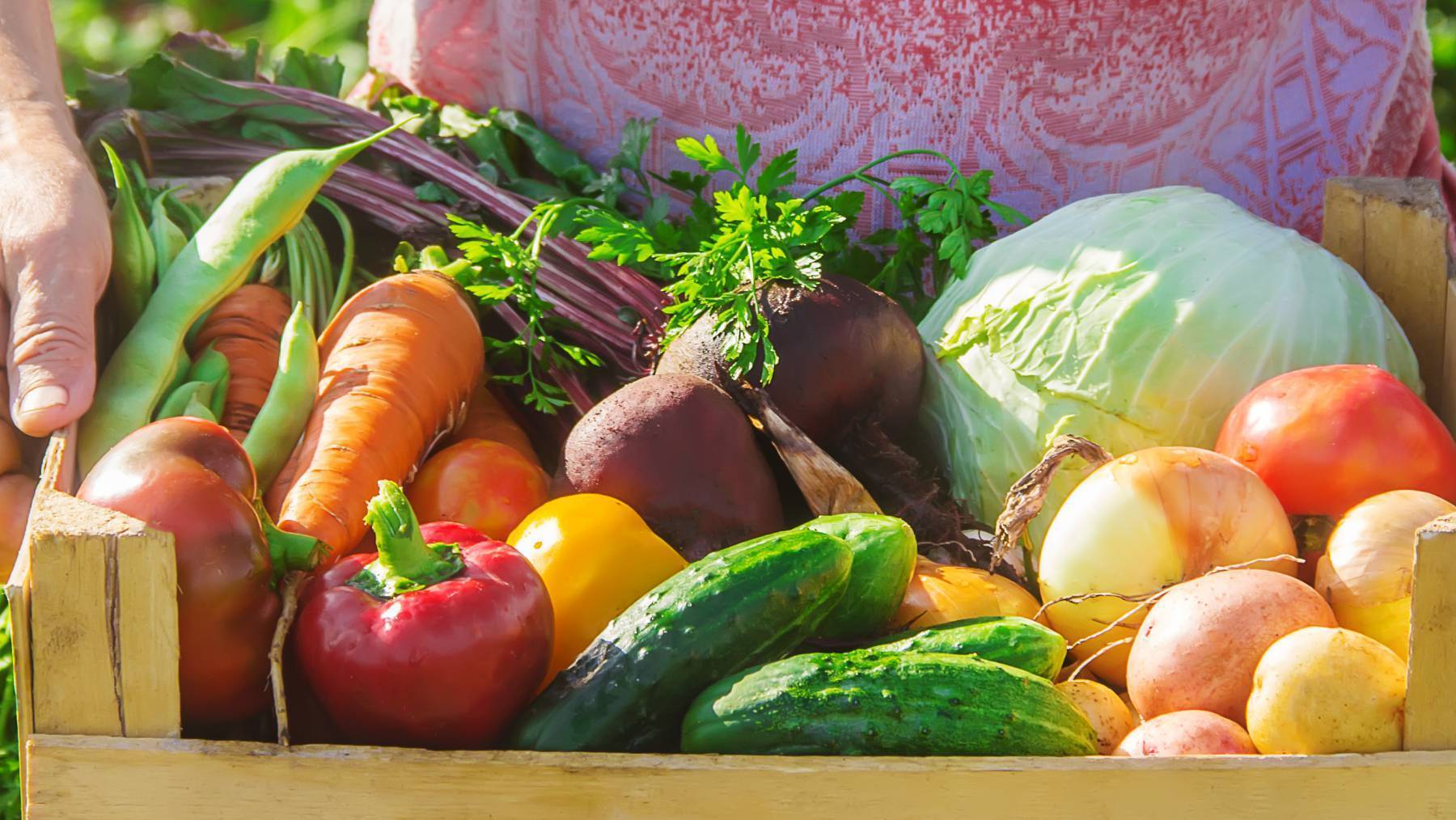
Support for growing fruit and vegetables must come under CAP from 2027.
Ireland needs a whole-of-government, food-first, food strategy that tracks the Irish food pyramid. Our food security, food sovereignty, and food sustainability depend upon it.
‘Food security’, in terms of what’s been making the headlines recently, is about the measures we need to put in place so that when it hits the fan, we don’t accidentally end up on a keto diet, or eating canned marrowfat peas, while the far-right gets stuck in at spaghetti junction.
In the language of poverty, however, food security exists when people have access to enough safe and nutritious food for normal growth and development, and an active and healthy life. One in 11 people in Ireland don’t. They are experiencing food insecurity, or food poverty.
Yet people say food is too cheap. On the April 14 podcast hosted by GIY founder Mick Kelly, economist Jim Power noted that between February 2006 and February 2026, the overall Consumer Price Index went up 38.9%; food prices increased 16.7%; and vegetable prices increased by just 7%.
So the real price of food, and vegetables in particular, has actually gone down while input cost increases are a huge issue for farmers, and for small food businesses of every kind.
The nub of this puzzle is that because of an abundant supply of imports and a competitive retail environment, food poverty is not actually a cost-of-food thing. Not yet. It’s a cost-of-everything-else thing. Paying the rent. Finance. Energy and fuel.
The Disability Coalition campaign slogan ‘Eat or Heat’ delivers the crystal-clear message that vulnerable groups sometimes need to choose between going hungry and staying warm. The cruel irony is that food and fuel are so intrinsically linked.
Bring on the renewables and digestate in an emergency. But we must do it right by putting food first. Neither solar nor crops for anaerobic digestion should get a greater return than growing food for people.
Only joined up thinking can resolve the tension between urgent action to build out our renewable infrastructure and ensuring we protect the right to earn a living from growing, and the right to access good food.
Which brings us to ‘food sovereignty’: A country must not allow itself to be held to ransom by oligarchic food verticals pedalling processed food for profit. Did I say ‘accidentally’? With our history, no one can say we didn’t see it coming.
Equally important, food sovereignty means the omnivore on the Luas should have the knowledge, skill, and freedom to make considered choices about what he eats.
In my view, it’s not up to these food verticals to police themselves. And it’s not reasonable to expect that cash-strapped omnivore to pick the most expensive, most worthy, freelance carrot.
Good food policy should have the necessary guard rails to promote healthy, Irish-grown food at a price that is both fair and one that families can manage, so that it is the natural choice, most of the time.
Having laid the responsibility with policymakers, food sovereignty is also a democratic right that must be exercised by individuals. The public consultation on the mid-term review of Food Vision 2030 is open to everyone until May 14.
The headline missions in that strategy — a climate-smart, environmentally sustainable sector; viable and resilient producers; safe and nutritious food; and an innovative, competitive and resilient sector — are as critical as ever.
This consultation is the opportunity to take stock, mark its progress and suggest improvements. It’s also easy to support Good Food for All, a European Citizens Initiative calling on the European Commission to act to protect access to adequate, safe, sustainable and nutritious food as a fundamental human right — just add your signature.
Onwards to ‘sustainable’, which by the dictionary means "able to be maintained at a certain rate or level". The popularity of the term ‘sustainable development’ can be traced back to the Brundtland Report, a precursor to the United Nations Sustainable Development Goals (SDGs).
The SDGs call for growth like Goldilocks: good jobs, clean water, zero hunger, responsible production and consumption (including halving food waste) and everything we could and should be doing to prevent the climate apocalypse.
The SDGs are a most excellent blueprint and framework for how we should live on and treat this planet and each other. Less than one fifth of the UN SDGs targets are on track for 2030.
A whole-of-government food pyramid-aligned sustainable food system would really help progress the SDGs, including, for example, the target under SDG 2 to double the agricultural productivity and incomes of small-scale food producers.

A ‘sustainable food system’ is one that can provide for Earth’s heading-for-10-billion population without exceeding planetary boundaries. And the sustainable planetary health diet recommended by scientists of the EAT Lancet Commission is one primarily focused on plants. Vegetables, grains, legumes and nuts are associated with the lowest agricultural emissions and the least damage to our environment. They are also our best chance, diet wise, for a healthy life.
Before you push the panic button, the planetary health diet does not look so much at odds with the Irish food pyramid, at least in terms of the emphasis on fruits, vegetables, wholefoods and wholegrains. The recommendation is we eat 5-7 portions of fruit and vegetables and 3-5 portions of wholefoods (including potatoes) and wholegrains.
A 2024 Healthy Ireland survey found only 28% of the population eat five or more portions of fruit and vegetables each day, and that’s six points lower than reported in 2019.
If, according to the food pyramid, fresh food should make up 70% of our diet (which I calculated simply by reference to number of portions of different food groups to be eaten per day) then surely we should be investing the equivalent proportion, 70%, of our time, effort and money in promoting and indeed supporting locally grown food.
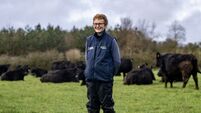
While growing and eating mostly fresh produce delivers the best chance for a sustainable food system, growing vegetables is not commercially sustainable. Hughes Farm, the State’s largest carrot grower, went into liquidation in March. There are now just 73 commercial growers left in the Republic.
We want affordable food, and we live in a free-trade world where other countries have either invested heavily in produce or can grow it more cheaply because of their climate, or lower overheads. These economics don’t stack up for Irish growers.
Maybe in time, with the right investment, they will. We have been influencing and subventing food production since we joined the EEC, but recurrent EU Common Agricultural Policy supports favour grassland and livestock systems.
There is no equivalent income support for growers. Now is the time to ensure that, post-2027, CAP will allow greater flexibility in how these horticultural producers are supported.
Lining up Ireland’s food strategy, so that it focuses on supporting the foods that make up the bulk of the food pyramid, will protect our access to good, locally grown food, and with it our health, agency, and our planet.
- Angela Ruttledge is head of policy at FoodCloud.

CONNECT WITH US TODAY



Be the first to know the latest news and updates