Carole Coleman: Don't ask Americans about news or politics. They're done
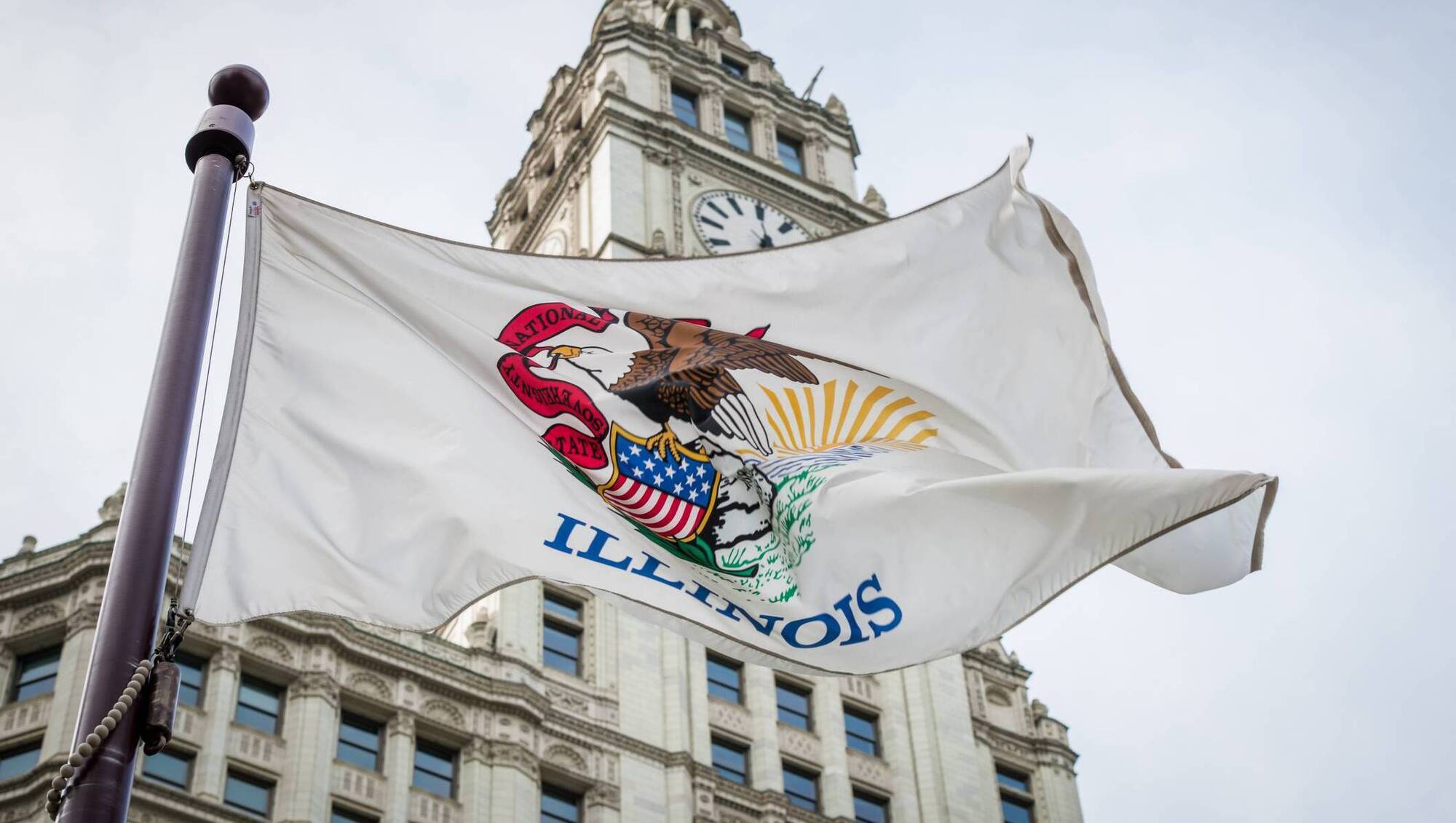
An Illinois state flag waving at the Wrigley building, Chicago. File picture
Don’t ask Chicagoans about news or politics. Most will look at you sharply, shake their heads, and wave you off politely but firmly.
If you want to strike up a conversation make it about baseball or golf, or the price of everyday essentials.
On a recent visit to Chicago, the signs were everywhere that people are exhausted and frustrated by the relentless news cycle of war and worsening economic situation.
So, as my family and I navigated friends, relatives, and chatty strangers, the anything-but-politics rule was omnipresent.
Even my sneaky “how are people feeling” questions were deflty sidestepped.
Chicagoans are still delighted to welcome anyone with a whiff of an Irish background to their beautiful city.
In place of the nostalgia of old, they have concrete connections to today’s Ireland.
One man’s father had bought a house in Dalkey. Another has a niece working in Dublin who wants to stay there. A teenager shopping for her prom dress is planning a college semester at UCD.
My niggling nervousness about returning to the America we hear about in the news proved unjustified.
The over-promised ICE agents didn’t materialise at the airport, and nobody asked us to unlock our phones or open our social media accounts.
The flight from Dublin was half empty, suggesting that others are nervous too.
But back to the news that Americans would rather not talk about.
Watching cable TV you might as well be scrolling through president Donald Trump’s Truth Social account.
Every latest missive is dissected with yellow highlighter pen marking out key lines you may have missed.
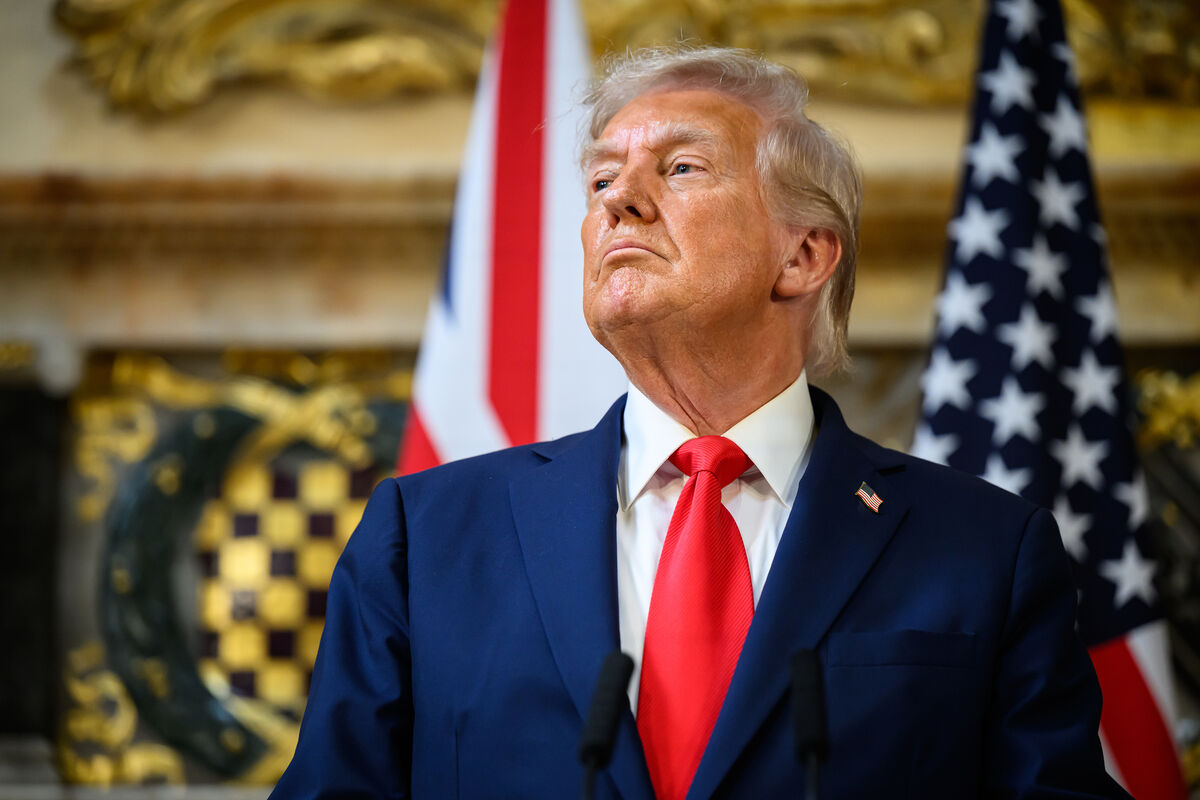
The time of the post, often well past midnight, is also examined.
Bored yet?
Switch to Bloomberg and follow how so called “prediction markets” are turning the world into a giant casino for billionaires.
You can now bet on what time the next American bomb will drop in Iran.
Shocked?
Try local channel Fox32 which deals mainly in the erratic weather around Lake Michigan. Flash floods are ubiquitous and temperatures veer from freezing to balmy in the space of a few hours.
The Windy City did not get its nickname from the weather. Though the breezes that whip through its lakeside avenues would lift the cap off you, it was the grandstanding occupants of City Hall and their hot air that bequeathed the city its windy title.
Corrupt deals and rigged votes that characterised business back in the day were reported faithfully by the whose name still looms above Tribune Tower.
But Chicago’s once famous papers of record have shrunk — literally. The and now come in a mini-tabloid size — no bigger than a cereal box.
The recently laid off a tonne of journalists and most Americans consume news on social media.
Not suprisingly, Democratic Illinois has little tolerance for the current Washington administration.
Chicago is a sanctuary city which means it offers assistance to illegal migrants.
An “ICE not welcome here”, sign was taped to the window of a downtown coffee shop.
Having pushed back against any ICE deployment, governor JB Pritzker seems to be warming up for a crack at the Democratic presidential nomination for 2028.
Chicago has form in producing winners. Pope Leo and Barack Obama are among the leading locals.
Pritzker can only be boosted by the directionless war against Iran that is said to cost the US taxpayer a $1bn every day.
He and the Pope are on the same page.
While most locals avoid politics, they are plenty vocal when it comes to their mounting bills.
Inside Chicago’s loop motorists now pay over $5 for a gallon for unleaded petrol, a serious nuisance for the Ubers as big as bedrooms that populate the streets.
Informing drivers that the same gallon costs over $9 in Ireland doesn’t seem to help. Cheap fuel is as American as Dunkin Donuts.
Shopping provides a dose of “sticker shock” — local jargon for off-the-wall prices.
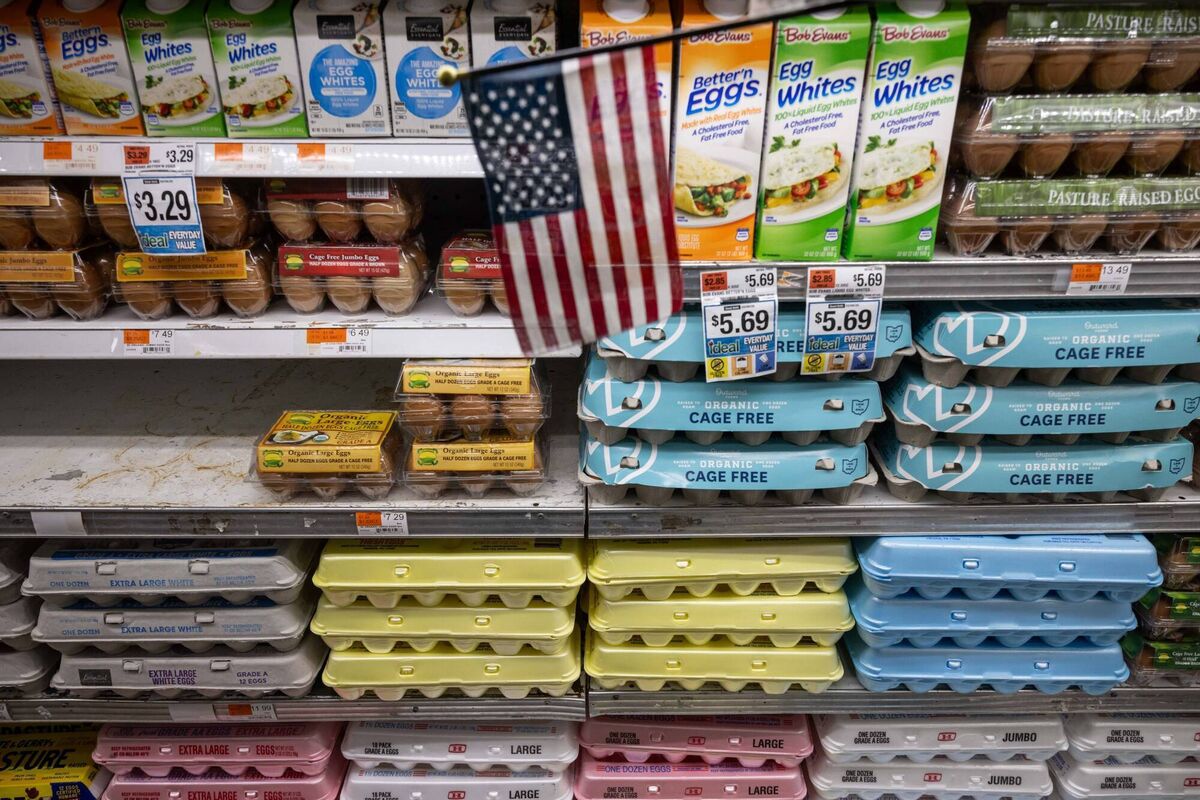
My favourite bargain $6 mascara has more than doubled in price.
A medium bag of crisps cost $7.50 including the 10% illinois state tax and exorbitantly priced pimple patches are under lock and key.
“A lot of people voted for Trump because of his business experience,” a woman who rents a space at a hair salon told me.
“Instead our bills have gone up by about $2,000 a month.”
Her family is mad at her for joining street protests.
“I’m not doing it for me, I’m doing it for my daughter and future grandchildren,” she says.
If November’s mid-term elections are about the economy, Democrats will take back the House and possibly the Senate.
It’s down to independents. According to Real Clear Politics they now make up 31% of registered voters, just behind Democrats on 33%.
But winning margins may still be tight.
Despite the daily dose of depressing news, Independents are evenly split on whether Democrats or Republicans can best manage the economy.
Returning through O’Hare Airport we did our last-minute buying, eating, and observing.
“Have you figured out what’s missing since out last visit?” a family member asked as we flopped into seats by the boarding gate.
“None of the TV screens are showing the news.”
Sure enough, every screen in the terminal offered baseball, golf, or the latest weather forecast.
“No one wants to watch anymore,” a merchant explained.
And no, he didn’t want to talk about the news either.
CONNECT WITH US TODAY



Be the first to know the latest news and updates