Seriously ill in Gaza: ‘I wondered whether the cancer or a missile would kill me first’
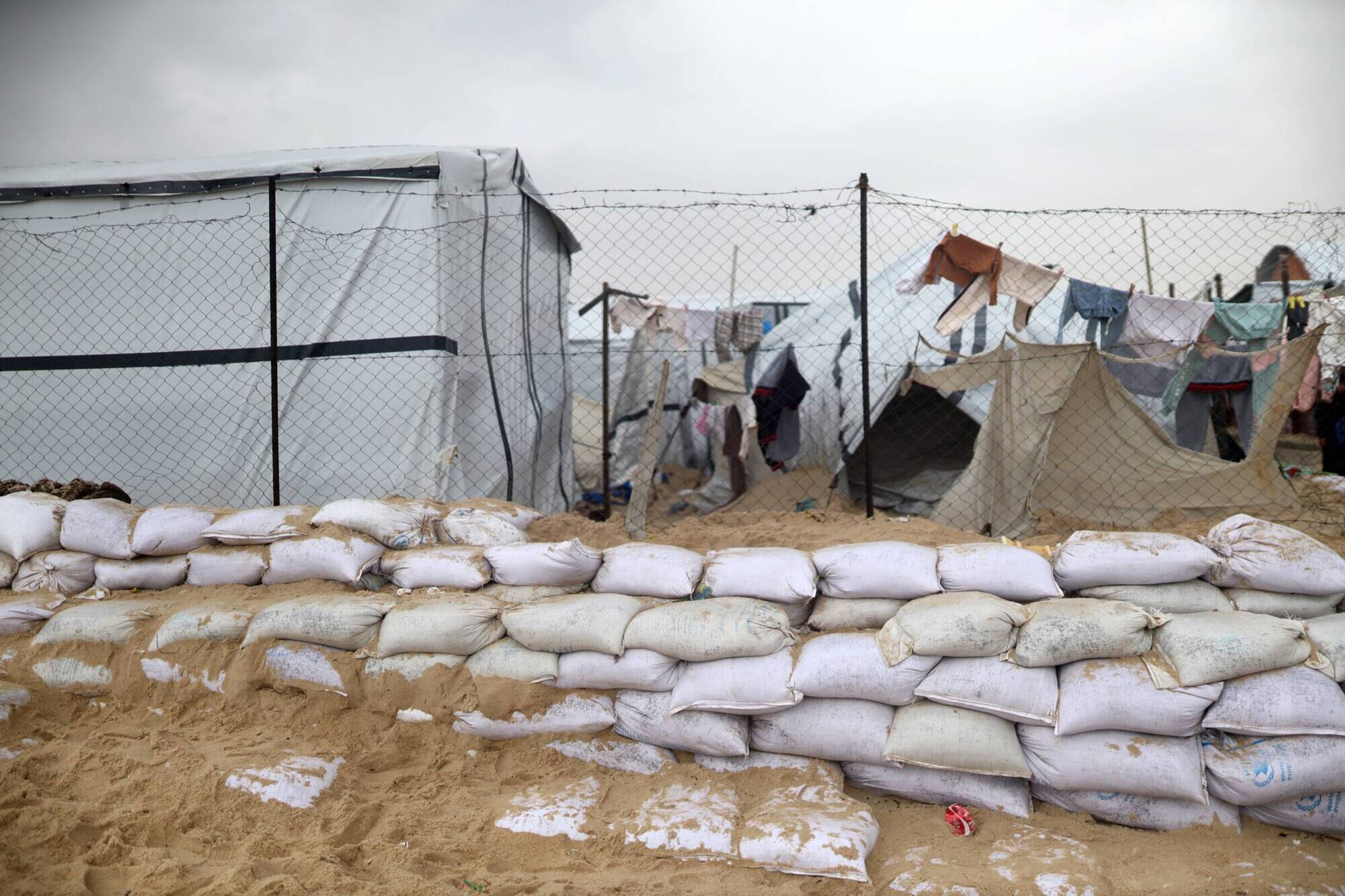
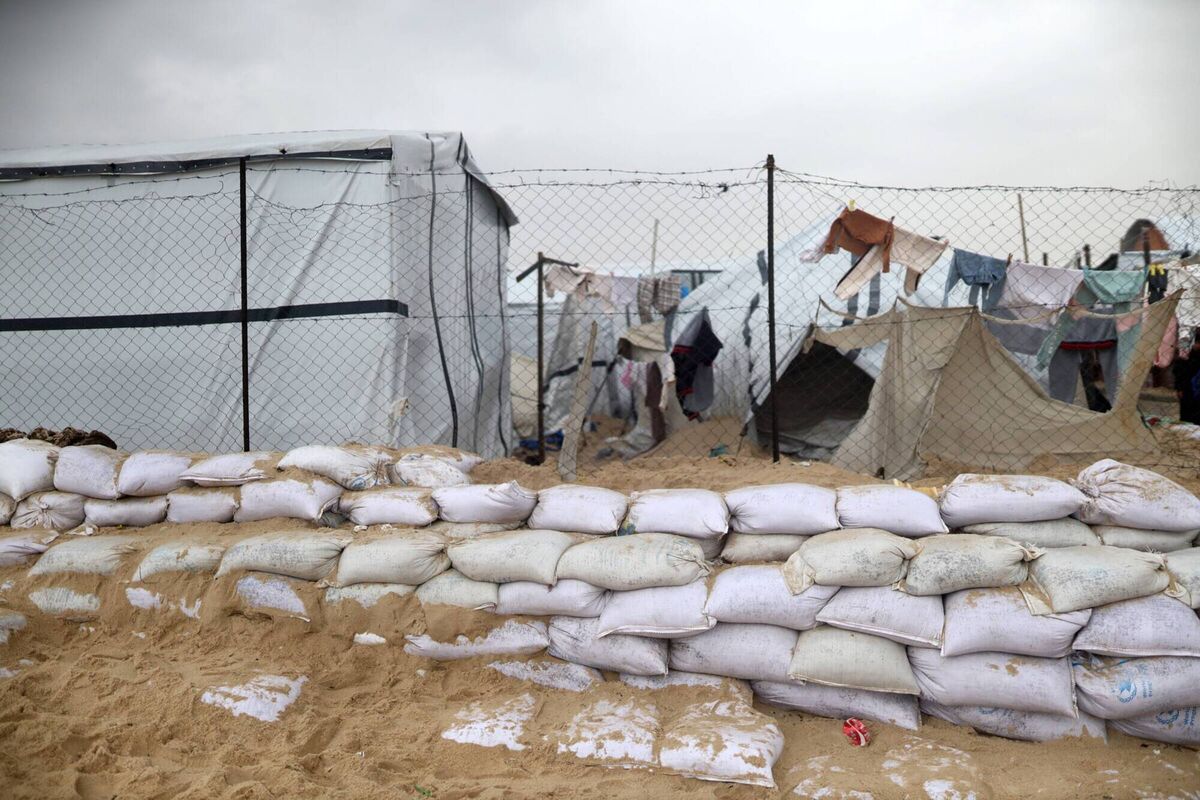
A crowded shelter camp run by Chirstian Aid’s local partner CFTA in the coastal al-Mawasi area of southern Gaza. Credit: Majdi Fathi/Christian Aid
Fatima first felt a lump in her breast in early 2024. Even at the best of times, this would have been a moment of great anxiety.
But for the 41-year-old mother of six, her health scare came three months into Israel’s brutal bombardment of Gaza, which was overwhelming hospitals with tens of thousands of casualties.
The ensuing chaos delayed her diagnosis, and it proved impossible to get test results or access her medical files.
She recalls her struggle to get the answers she needed.
“Every time I got close to a diagnosis, hospitals were damaged by bombing and sometimes left inoperable,” she says. "In every hospital, they would ask me: ‘Where are your reports?’."
In Ireland, biopsy results are typically shared within a couple of weeks. Fatima’s biopsy samples were lost, and in total, it took eight months for the devastating news to finally be confirmed.
Fatima had breast cancer.
“Even though I expected it, the news hit me like a thunderbolt,” she says.
Due to the war, Fatima was unable to get the necessary medical care she needed at the early stages of her illness.
“I had the first two doses of chemotherapy, but because of the war, the medication was cut off for two whole months. My condition worsened, and the tumour spread, and the pain increased. When treatment finally became available again, I received eight doses of chemotherapy,” she says.
Horrifically, while recovering from one of her chemotherapy sessions, the hospital was hit by an Israeli airstrike.
“The first sound I heard was the explosion of a missile. I thought I was in a nightmare. I looked around, and the operating room was a scene of chaos. Women were being pulled from the rubble, and people were screaming. I immediately thought of my family. I wanted to die beside them, not here. I wondered whether the cancer or a missile would kill me first.”
The chemotherapy treatment took a terrible toll on Fatima. Even worse, the total blockade of goods and aid entering Gaza by Israel meant that very few painkillers and other essential medicines were reaching patients. Fatima’s treatment was excruciating without the painkillers she needed.
“Chemotherapy is a poison fighting poison, and I was living with all the poisons at once. The pain in my bones felt as if they were breaking from the inside. Dizziness turned the world upside down, nausea tore at my stomach,” she explains.
Read More
For most people battling cancer, being able to do so from the comfort of their own home is a small mercy.
However, like most Palestinians in Gaza, Fatima had been forced to flee her home to escape airstrikes. She had no choice but to suffer the side-effects of her treatment from inside a tent in the coastal area of al-Mawasi, now housing around 800,000 displaced people. The indignity of this experience is seared into her mind.
“The diarrhoea was merciless. I could barely stand,” she says.
"I know that people don’t like to talk about these things, but imagine being sick when there’s no toilet and you can’t even sit on the ground. I can’t describe the loss of dignity I felt."
For Fatima, the situation was even worse because her children saw her suffering. She recalls: “The tent was so cramped. My children looked at me with fear. There was nowhere for me to hide my pain from them.”
One of the most traumatic consequences of chemotherapy is losing your hair. But Fatima tried to use this challenge as motivation to persevere.
“When my hair fell out, I would collect it from my pillow, put it in a plastic bag and hang it up in the tent,” she says.
“I was preserving the memory of a woman who was still here and is still fighting.”
Christian Aid’s local partners provide lifesaving and emergency support in Gaza and, for more than two years, have supplied vital food and medical care. Its partners also provide much-needed emotional support.
Fatima is one of 70 female cancer patients and survivors currently receiving psychological support by Christian Aid’s local partner, Culture and Free Thought Association (CFTA), which also created a network for women to share their experiences and support each other.
Fatima describes the positive impact these sessions have had on her.
She says: “They provide me with psychological support and keep in touch to check on me. We also get practical advice, including on what edible wild plants to eat to help strengthen immunity.”
While a so-called ‘ceasefire’ was agreed in early October 2025, the situation facing people in Gaza has not greatly improved. Hundreds of Palestinians have been killed by Israeli airstrikes in the last six months, and very little aid is reaching those most in need.
While no longer officially facing famine, food remains scarce in Gaza, which makes Fatima’s recovery harder.
“My children hunt for watercress from the sides of the tents for me to eat, as it is the only thing available. I remember at one CFTA session tasting a piece of chicken for the first time in months. I almost cried, and the women cancer patients with me laughed and cried a lot.”
In late October, Fatima had a mastectomy. Unfortunately, in January of this year, she found out that her cancer had returned.
“I found a hospital that had reopened. A new sample was taken, and the doctors confirmed it was malignant.”
Fatima is again undergoing chemotherapy and waiting to find out if she will need a second mastectomy. Thankfully, she has been able to access some pain relief medicine this time but is one of 11,000 cancer patients urgently needing treatment outside Gaza. Fatima feels powerless knowing she is being denied the treatment that could save her life.
She says: “I never received radiotherapy. It doesn’t exist here, and travel for treatment outside Gaza is nearly impossible. The crossings are closed and urgent medical referrals have been ignored. You feel the ultimate helplessness knowing your treatment is available, but it is refused to you.
"When I hear any news of a partial opening of the crossing for cancer patients, I’m afraid to hope.”
Despite having to cope with cancer for a second time, Fatima continues to attend CFTA’s psychological sessions and even supports other patients through their own cancer journey.
“We don’t talk about death, but rather share how to live despite the cancer.”

CONNECT WITH US TODAY



Be the first to know the latest news and updates