Cost-of-living crisis is impacting how we look after our pets
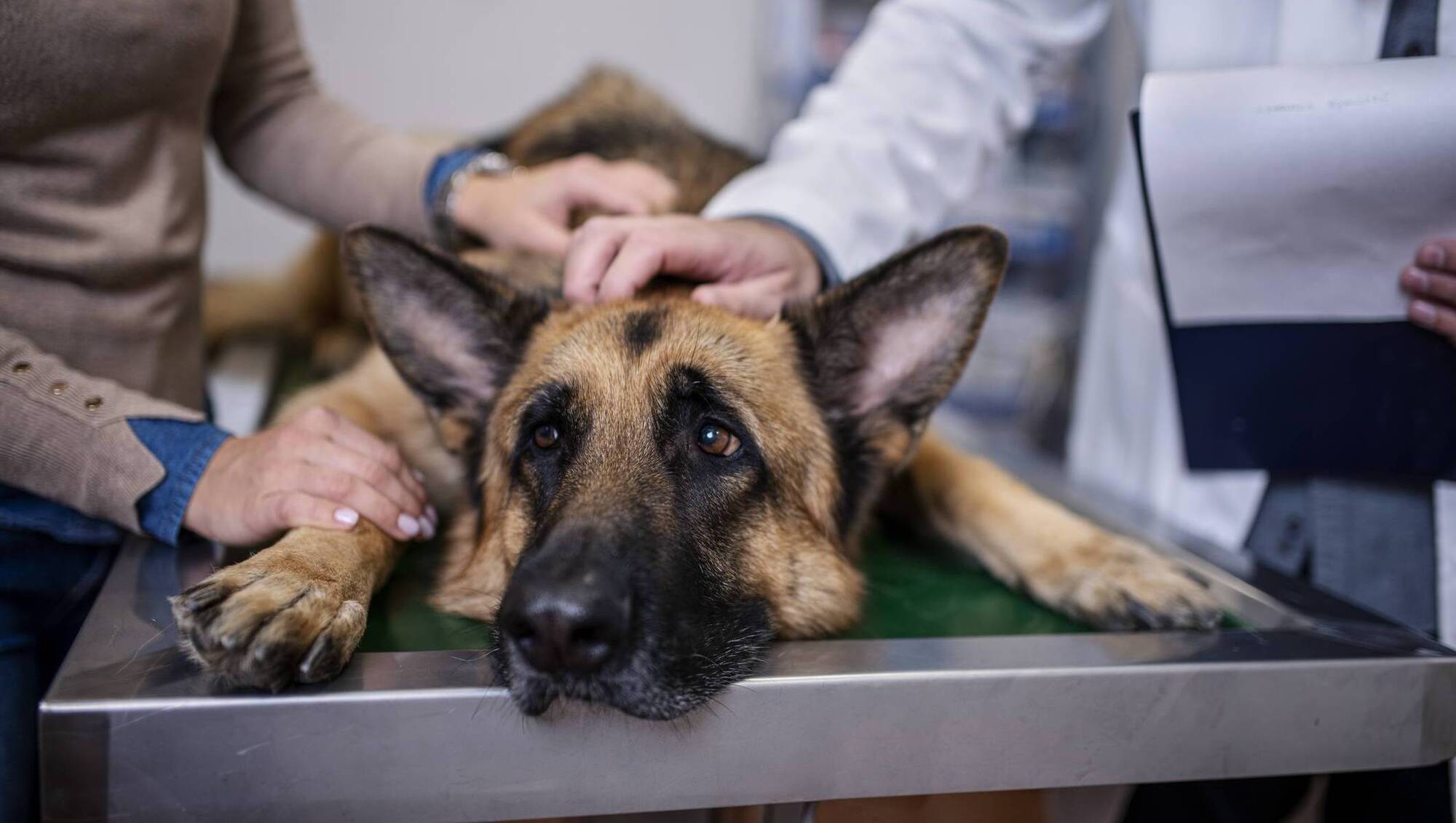
A poll carried out for the NSPCA found almost a quarter of pet owners in Ireland have delayed or avoided veterinary care due to costs.
Ireland prides itself on being a nation of animal lovers, but is the high cost of a trip to the vet preventing its pet owners from accessing the care animals need?
Nearly 60% of Irish households own a pet, but the harsh reality is many of these owners are struggling to afford to look after them.
In recent weeks, we’ve seen cost-of-living pressures come to a head in public and political discourse, but its detrimental impact on animal welfare is often forgotten about in conversation.
In my work as veterinary director of the National Society for Prevention of Cruelty to Animals (NSPCA), the single organisation formed by the recent merger between leading animal welfare charities — the Irish Society for the Prevention of Cruelty to Animals and the Dublin Society for Prevention of Cruelty to Animals — I witness jarring cases of animal cruelty and neglect daily.
But a worrying issue I’ve become accustomed to seeing in recent years is the growing number of good-willed owners who are forced to surrender their pets or in some cases are pushed into neglect, due to the sheer unaffordability of veterinary care.
At the NSPCA’s Rathfarnham site, there are currently more than 400 dogs on our owner surrender waiting list, and we’re seeing similar strains right across the country.
In many cases, we have amputated the dog’s leg so the dog can stay with the owner. If losing a leg is the best result that can come out of this dire but common situation, we need to take stock of what’s at play.
In the UK, the consumer watchdog undertook a recently concluded market investigation into the veterinary sector, and found costs of veterinary medicine had increased by 63% between 2016 and 2023. We’re now seeing a parallel with what’s going on over there, in Ireland.
According to public polling carried out this month by Bounce Insights for the NSPCA, almost a quarter of pet owners in Ireland have delayed or avoided veterinary care due to cost.
As well as this, private vets frequently get in touch to see if we can help an owner who can’t afford their pet’s surgery — we do what we can, but relying on us is not enough.
In Ireland, we have no way of measuring whether veterinary prices are increasing or decreasing and the biggest issue is there’s not enough visibility around pricing. This should be on the practice’s website, particularly for vaccinations, flea, worm and neutering treatments.
In light of this, transparency around the standard of veterinary expertise is essential, so pet owners can make informed decisions. This country has an excellent reputation for veterinary practitioners and more than 90% of Ireland’s adults express trust in veterinary professionals, who are highly regarded in their role in animal welfare. Therefore, consumers deserve to understand why some practices are more expensive than others.
While the cost of veterinary care is becoming a stress for pet owners, I’m acutely aware the cost factor also translates for professionals trying to provide that care. This is not about independent veterinary practitioners charging too much — it reflects a system under strain where rising costs, a lack of transparency, and broader economic pressures are culminating in a way that harms animal welfare.
Two evenings a week, we run an outreach mobile clinic in Tallaght and Clondalkin that provides pet owners in receipt of social welfare with basic veterinary care services such as vaccines, neutering, dental and x-rays.
Sadly, there is a growing cohort of people who aren’t eligible for these services yet still cannot afford to pay their veterinary bills.
An owner came to the clinic recently with a dog whose leg had been broken for over five months. Though they took the dog to the vet in November, the owner was unable to afford the x-ray, which cost €500, and the dog remained untreated. This is animal cruelty, so we seized the dog and needed to amputate its leg.
Fortunately, in this case, we were able to re-home this dog, but I wonder how many more people are being prevented from accessing veterinary care and how many animals are suffering as a result?
The UK’s investigation provides Ireland with a timely opportunity to intervene before the situation worsens. According to the same Bounce Insights survey, a staggering 90% of people think more should be done to make veterinary care in Ireland more accessible and affordable — so it’s time to act.
By focusing on the structural issues at the core of the system, particularly regarding transparency and price visibility, we can draw on these learnings to address growing concerns in an Irish context.
A review of how the system functions and reform where needed is a necessary first step to ensure this nation of animal lovers lives up to its reputation and no animal is denied the care it needs.
- The NSPCA launches its inaugural strategy on April 29, aimed at strengthening animal welfare protections and preventing cruelty to animals in Ireland.
- The NSPCA is the newly formed organisation established last year through the merger of the Irish Society for Prevention of Cruelty to Animals and the Dublin Society for Prevention of Cruelty to Animals. View the 2026-2030 strategy at nspca.ie.
- Elise O'Byrne White is veterinary director at the NSPCA

CONNECT WITH US TODAY



Be the first to know the latest news and updates