Supports have improved for women in politics but there is more to do
For many women, their decision to stay in politics is increasingly influenced by whether the working environment is sustainable in the long term.
Let’s talk about women in politics. More specifically, let’s talk about keeping women in politics. Currently, women hold just 26% of county council seats, with stark underrepresentation in many counties, particularly in rural areas.
As the national representative body for the 950 elected councillors across Ireland, the AILG (Association of Irish Local Government) is acutely aware of both the challenges and opportunities in retaining women in our local government system.
As we all know, much of the public conversation on women in politics has centred on the barriers, with less attention given to the progress quietly taking shape.
But there is much to be positive about in terms of the increased level of supports for female elected representatives.
Over the past number of years, the AILG has actively worked to address the barriers and to increase and enhance supports to encourage women to stay in local politics. These include securing increased remuneration, creating a pathway for the introduction of maternity leave for elected women, research highlighting the blight of abuse and harassment, and supporting the introduction of hybrid meetings to facilitate increased participation.
While the list above has certainly helped, for many women, their decision to stay in politics is increasingly influenced by whether the working environment is sustainable in the long term.
It is in that context that today’s historic first national meeting of the Women’s Regional Caucus Network, taking place in the council civic office in Nenagh (the home local authority of our AILG president Cllr Mary Hanna Hourigan), is so significant.
The Regional Women’s Caucus Network builds on a successful pilot project which was a collaborative initiative between the AILG and SHE (See Her Elected) and is now open to the full 255 elected female councillors across the country.
It is an opportunity for female councillors to design a new addition to local government that works for them, rather than fitting in with inherited structures that date back to a time when there were little or no women in local government.
Notably, the pilot was established during the term of AILG’s first female president in 2021, and it is particularly fitting that the national rollout of the Regional Women’s Caucus Network is now being advanced under the leadership of a second female president — having two female presidents of a national organisation within such a short period is progress in and of itself.
The decision to pilot a regional caucus was informed by a number of key factors.
Research from the National Women’s Council of Ireland had emerged, which highlighted how local caucuses and networks can support women councillors to strengthen their impact and advance equality in the day-to-day work of local authorities.
It was also informed by AILG’s independently commissioned research report, 'The 21st Century Councillor in Irish Local Government' — the largest and most comprehensive survey ever carried out with elected members across Ireland, reflecting the lived experience of councillors themselves.
Women councillors, in particular, spoke clearly about the need for structured support, peer networks, and safe spaces to share experiences and build confidence.
The involvement of SHE in the project, an organisation that supports women in rural areas to run in local elections, drew attention to the low number of women councillors in most counties across the Western, Midlands and Northern regions of Ireland.
This meant it was not feasible for women in those counties to establish meaningful local caucuses within individual authorities, and led to the development of a regional pilot model, bringing together 47 female councillors across 13 local authorities (compared to 243 male members across the same councils).
Throughout the three-year pilot, the regional caucus served as a powerful collective voice which worked on policy initiatives, awareness campaigns, and training programmes aimed at empowering women in politics and addressing critical social issues such as housing, domestic violence, and gender equality.
The regional caucus even secured international recognition which included a nomination for the European innovation in politics awards.
An independent review deemed the pilot as a successful and replicable model, identifying eight core features that contributed to its effectiveness, including: dedicated coordination, a strong secretariat, an independent facilitator, and a rich, member-led programme of work.
Securing a standalone commitment in the programme for government (2025) to support the national rollout of a Regional Women’s Caucus Network, led by the AILG, is a significant step forward. We eagerly await the publication of the Local Democracy Taskforce report, which we hope will further enhance and support this new structure.
There are ambitious plans for the regional network which include the development of a national leadership and mentorship programme, which all female councillors across the country will have access to, and there is significant interest to replicate a similar model in Northern Ireland, creating an opportunity to create an all-island network.
A core objective of the regional caucus network is that it does not operate in isolation from existing local authority structures such as local women’s caucuses. Instead, learning and insights from the regional caucuses will be designed to feed into those structures and strategy review processes.
This ensures issues such as participation, accessibility and leadership sustainability are considered collectively by all elected councillors, and not just within the caucus.
It also reinforces the need for shared responsibility in improving diversity and inclusion across our council chambers.
In 2024, a record number of women contested local elections. For those now serving, the Women’s Regional Caucus Network represents an important opportunity to build a permanent, supportive and sustainable structure that enables current and future women councillors to participate, lead, influence and remain in public life.
The dial is moving — and we now have a real opportunity to shape a more inclusive and sustainable future for women in local government.
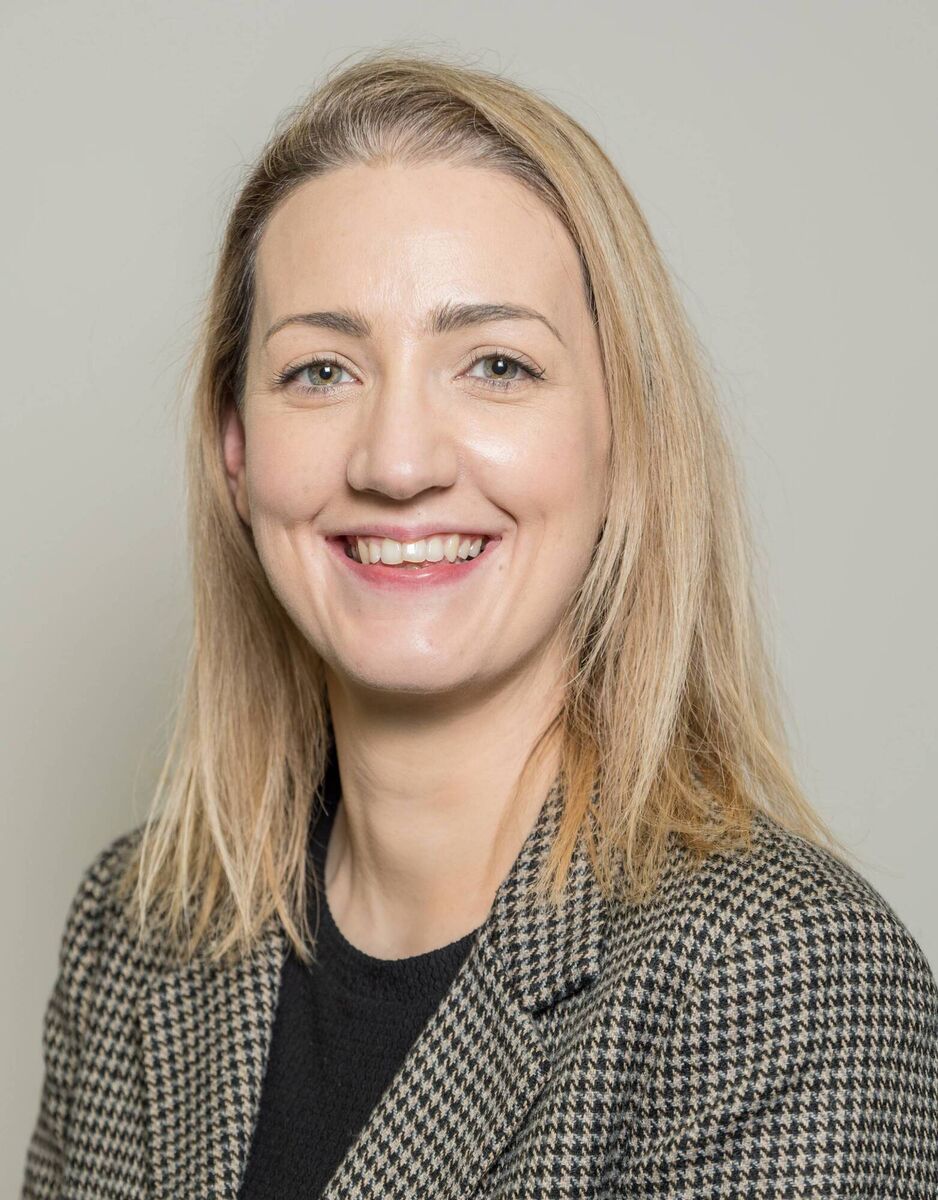
- Elaine Lynch is head of operations at the Association of Irish Local Government


CONNECT WITH US TODAY



Be the first to know the latest news and updates