Our politics can't cope with TikTok's emotional instancy
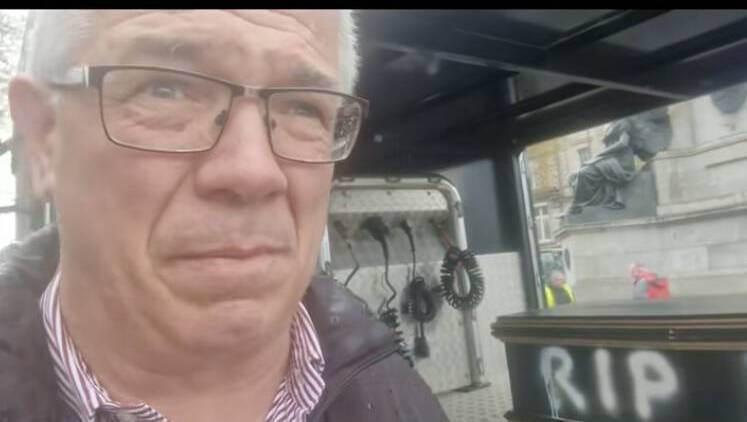
James Geoghegan recently posted a video about fuel costs that got nearly 200,000 views.
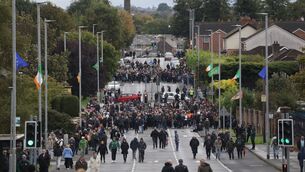
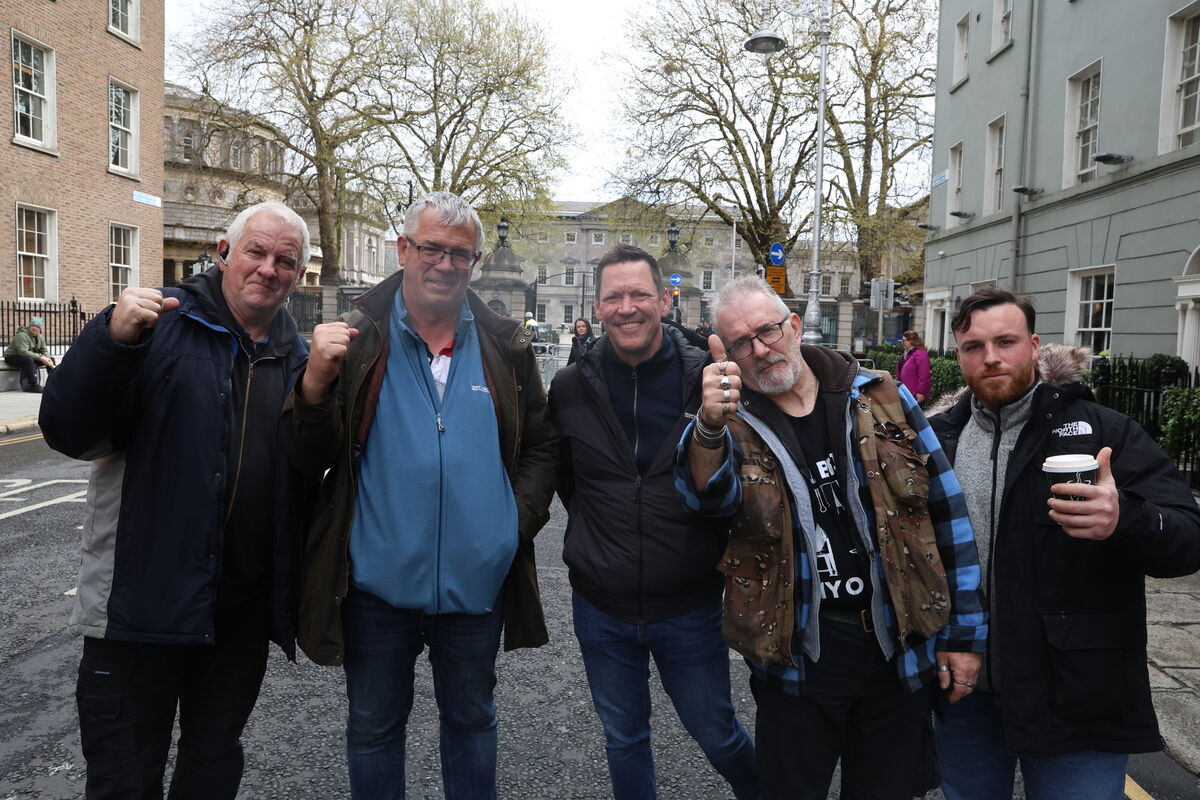
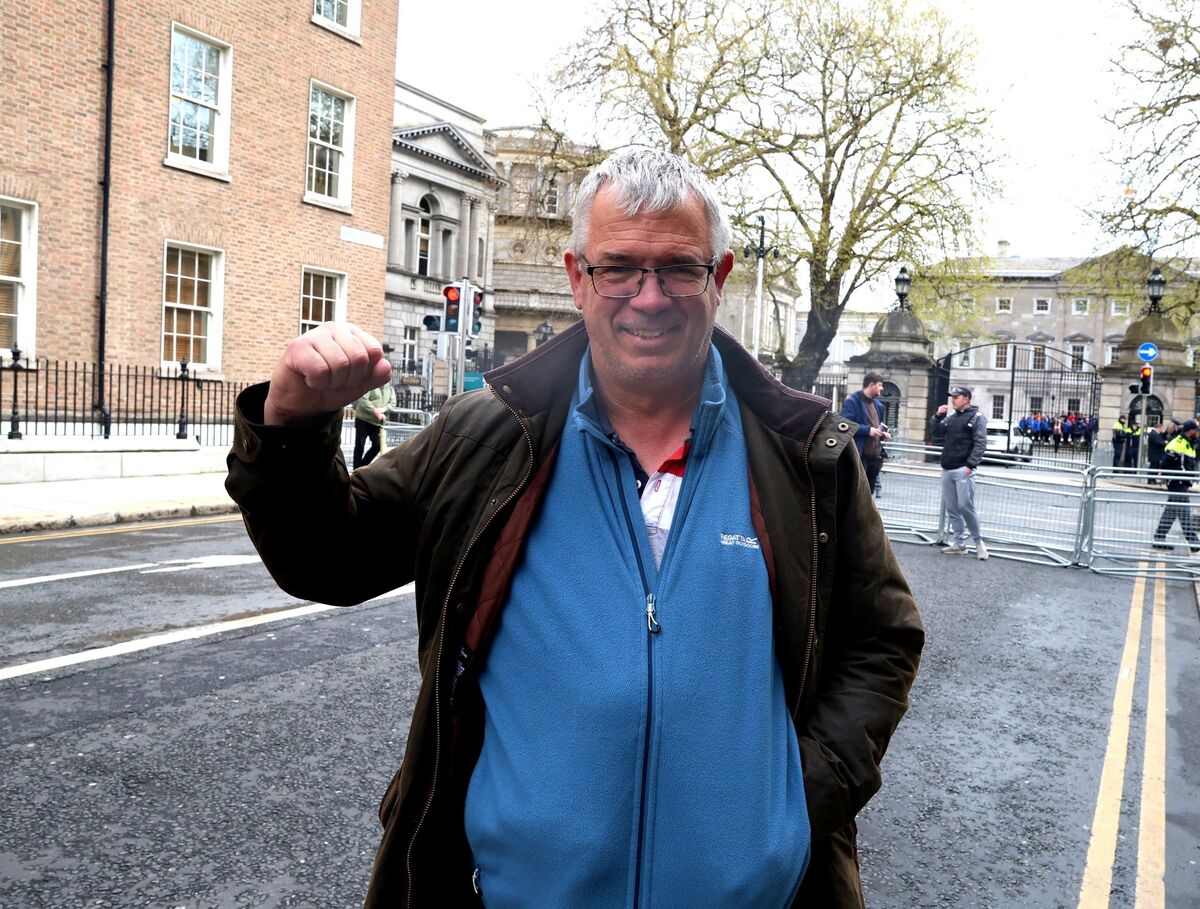
Ten days ago, James Geoghegan was posting TikTok videos about agricultural machinery. Then a video about fuel costs got nearly 200,000 views, a dormant Facebook group reactivated, and within days O’Connell Street was impassable, half the state’s fuel supply was locked behind blockades, and the Defence Forces were being deployed.
On Wednesday, a minister of state resigned from the Government, and a confidence motion divided the Dáil. This demands explanation, but not because it represents a failure of information. Rather, it reveals how platforms now shape the relationship between genuine grievance and political action in ways our institutions are not yet equipped to understand.
After the November 2023 Dublin riots, the dominant framework for making sense of platform-driven disruption was misinformation: false claims circulating online triggering real-world harm. That lens does not fit here.
Diesel at €2.28 a litre, contractors facing €70,000 annual fuel bill increases, hauliers unable to operate. These are material realities, not information deficits. Nobody is being deceived about the price of diesel.
What matters is not the accuracy of what circulated on TikTok and Facebook, but the emotional register through which it achieved political force. Geoghegan’s content resonated as a personal, emotional testimony. His authentic distress was made visible by algorithms to an audience primed to receive it by their shared economic precarity.
TikTok didn't manufacture the grievance. Its recommendation architecture, which rewards emotional intensity and watch-time completion, amplified individual hardship into collective political identity at a speed no press release, party structure, or representative body would be able to match.
Existing research on how social media influencers build authority through what is termed “affective authenticity” — the mechanism by which performed emotional expression generates trust and reach within algorithmic systems — suggests that the events of this week shows those dynamics migrating from commercial and lifestyle contexts into democratic politics. The implications are now playing out in the Dáil chamber.
Consider how each platform played a distinct role. TikTok was the viral catalyst. Facebook provided organisational infrastructure through a group formed during the 2022 fuel crisis with its administrators running paid Meta advertisements directing supporters to WhatsApp and Telegram groups.
These then facilitated tactical co-ordination beyond the visibility of Gardaí, who publicly acknowledged they had “limited interaction” with organisers because planning was happening on platforms they could not monitor.
Then came the co-optation. Minister for justice Jim O’Callaghan warned that protesters were being “manipulated” by “outside actors”, naming Tommy Robinson specifically. Robinson, Katie Hopkins, and Canadian activist Ezra Levant (who travelled to Ireland) all amplified the protests internationally.
Conor McGregor used X to revive his anti-government argument in a lengthy video. These influencers with audiences in the millions reframed Irish economic grievance within narratives of national betrayal.
But the picture from inside the movement complicates the Government’s framing. Reporting from protest WhatsApp groups shows organisers actively ejecting far-right actors who tried to pivot toward immigration.
A protester on O’Connell Street firmly told a known anti-immigration agitator the protest was “about fuel.”
A University of Bath study published this week found Robinson operates through “indirect mobilisation” building emotional conditions that make radical action feel justified without giving direct instructions.
He does not need to organise Irish protesters to reshape the meaning of their protest. The platform architecture does that work for him.
This is why the misinformation framework fails. Robinson’s content about Ireland is not false. The blockades, the prices, the Government’s refusal to engage — all real.
What changes is the emotional frame around identical facts: legitimate economic distress repositioned within a narrative that serves purposes entirely separate from the cost of diesel. You cannot fact-check that transformation.
Michael Healy-Rae’s resignation on Wednesday as minister of state — telling the Dáil he had seen “people begging on the side of the road” and “grown men crying”, describing himself as a “gauge of the people of rural Ireland” — was itself a performance of affective authenticity.
His authority to break with Government derived not from policy analysis but from emotional testimony, mirroring the exact register that gave Geoghegan’s TikTok its reach. The mechanism is the same whether it operates on a phone screen or the floor of the Dáil.
The Government’s response; a €505 million support package, a counter-confidence motion amid warnings about manipulation inadvertently demonstrates the problem. It treats co-optation as contamination: authentic protests corrupted by bad actors.
But the same algorithmic incentives that gave Geoghegan’s distress national reach also gave Robinson’s commentary international amplification. These are not separable phenomena. They are features of the same platform architecture.
Ireland is the EU’s lead regulator under the Digital Services Act. Coimisiún na Meán is finalising platform codes.
This week showed that our frameworks for understanding platform-mediated political action — built around content verification and removal — are inadequate for a world where the content is true and the manipulation operates through emotion, not deception.
We need better tools. We need them before the next crisis, not after it.
- Louise Ryan is a postdoctoral researcher in the Department of Sociology at University of Limerick.
CONNECT WITH US TODAY



Be the first to know the latest news and updates