What have we learned from how the fuel protest was handled?
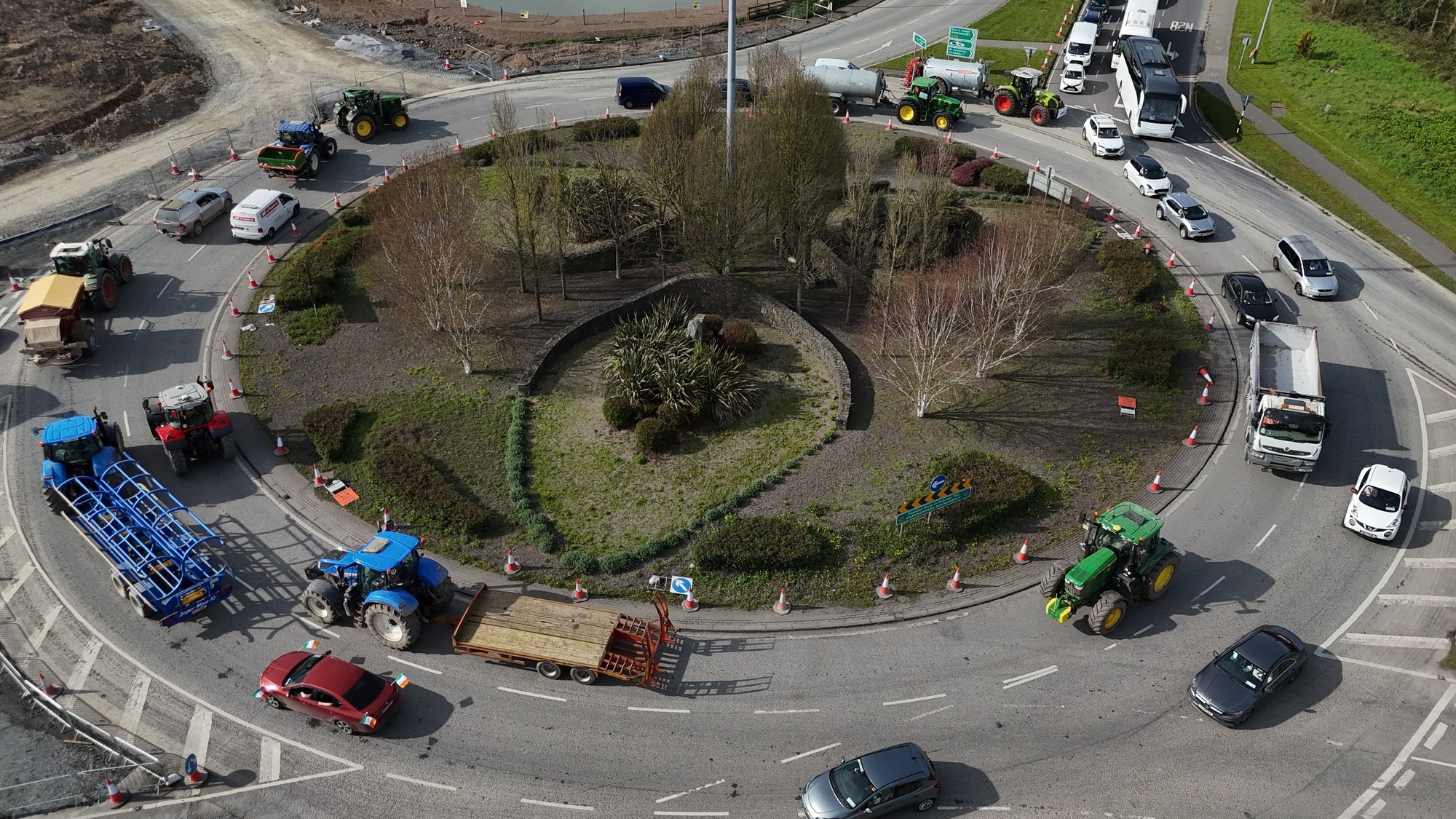
Gridlock at Shannonpark roundabout on the N28 from Shanbally / Ringaskiddy in Cork at around 5pm last Wednesday, April 8. Were the stirrings on social media over the Easter weekend missed entirely, or were they seen but underestimated? Picture: Larry Cummins
A bruised, battered Coalition faces a no-confidence motion against a backdrop of deep uncertainty about whether its €505m fuel package can even temporarily ease the anger and unrest seen across the country in the past week.
The scale, intensity, and speed of the protests, which began this day last week and quickly threatened to paralyse daily life, have rattled not just Government but the public.
Government ministers and TDs will, understandably, be eager to try to steady the ship and focus on the challenges ahead. However, before moving on, it is imperative that they make time for a calm and thorough review of what went wrong. Any such examination should focus on three core failures: Intelligence gathering, public communication, and the protection of critical infrastructure.
First, the authorities were caught off guard by the size and spread of the protests. The public got no advance warnings about possible travel disruption. Within hours, stories were emerging of workers being unable to get to and from work, people missing urgent hospital appointments, and motorists being trapped for hours in traffic going nowhere.
Yet the warning signs were there. Hundreds of hauliers, agricultural contractors, and farmers had attended a series of meetings around country before Easter, expressing their anger at what they saw as government inaction over soaring fuel prices.
Over Easter weekend, local WhatsApp groups and other social media channels were alive with plans for protests at different locations. The important question is: Were these signs missed entirely, or were they seen but underestimated? Neither answer is good, but should be examined.
When the Government finally acknowledged the seriousness of the situation, its public communication left a lot to be desired. Messaging was at times disjointed, at times inflammatory, and frequently tone deaf.
Political leaders were right to engage with established representative groups and to avoid appearing to give in to disruptive tactics. But rhetoric around arrests and “national sabotage” and suggestions that the army might be mobilised, even if aimed at a minority, risked alienating a much larger body of ordinary people.
When clarity and restraint were required, the Government fell short.
The events exposed a vulnerability that extends beyond this protest. Much has been written in recent months about the vulnerability of the country’s critical infrastructure to external threats of cyberattacks or interference by hostile states.
What has now become clear is that disruption can just as easily arise at home. The fact that the national fuel supply came close to being choked off by a group of farmers and truck drivers should prompt reflection.
What is to stop similar interference in the future with aspects of infrastructure such as energy generation or transmission, or water supply?
The Government published the Critical Infrastructure Bill, designed to address delays in delivery, last Wednesday. Safeguarding infrastructure is as important as building it. The Government now must consider whether additional measures are required to protect essential infrastructure from being used as pressure points in future disputes.
The protests may subside, but the issues they exposed must be addressed.
Reports on the enormous impacts of AI on how we live and work in the future will have proved fascinating for some, illuminating for others, and mildly terrifying for many.

The adoption of AI by Irish firms will lead to job losses, with high-skilled occupations most at risk, according to one report from the Economic and Social Research Institute (ESRI) and the Department of Finance.
The same report also warns that it could lead to greater income inequality with wages rising for workers who become more productive with AI, but falling for those whose work has been displaced by AI.
A separate report, from a teachers’ union conference, raised the spectre of AI tempting our young people into becoming exam cheats. Teachers expressed concern that the potential for students to use AI for the non-exam component, or project work, of the Leaving Certificate was essentially offering a “licence to cheat”.
Whatever its pitfalls — and there are many — AI, the set of technologies that enables computers to learn and perform advanced tasks that once required human intelligence, is playing an increasingly big part in our lives, a part that is only going to get bigger.
Since we can’t avoid it, it seems sensible that we as individuals — whether in our capacity as educators, service providers, citizens, public servants, employees, employers, volunteers and/or parents — familiarise ourselves with the concepts involved and get comfortable with them. To this end, a number of initiatives outlined in the recently published Government’s digital and AI strategy are to be welcomed.
Among the 90 “deliverables” listed in the document are a nationwide AI and digital literacy campaign and a one-stop-shop AI skilling platform. Given the pace with which AI is advancing, let us hope that these initiatives are delivered without delay.
News of Rory McIlroy’s win in Augusta on Sunday brought a much-needed morsel of cheer in the midst of an otherwise grim period of trouble at home and abroad.
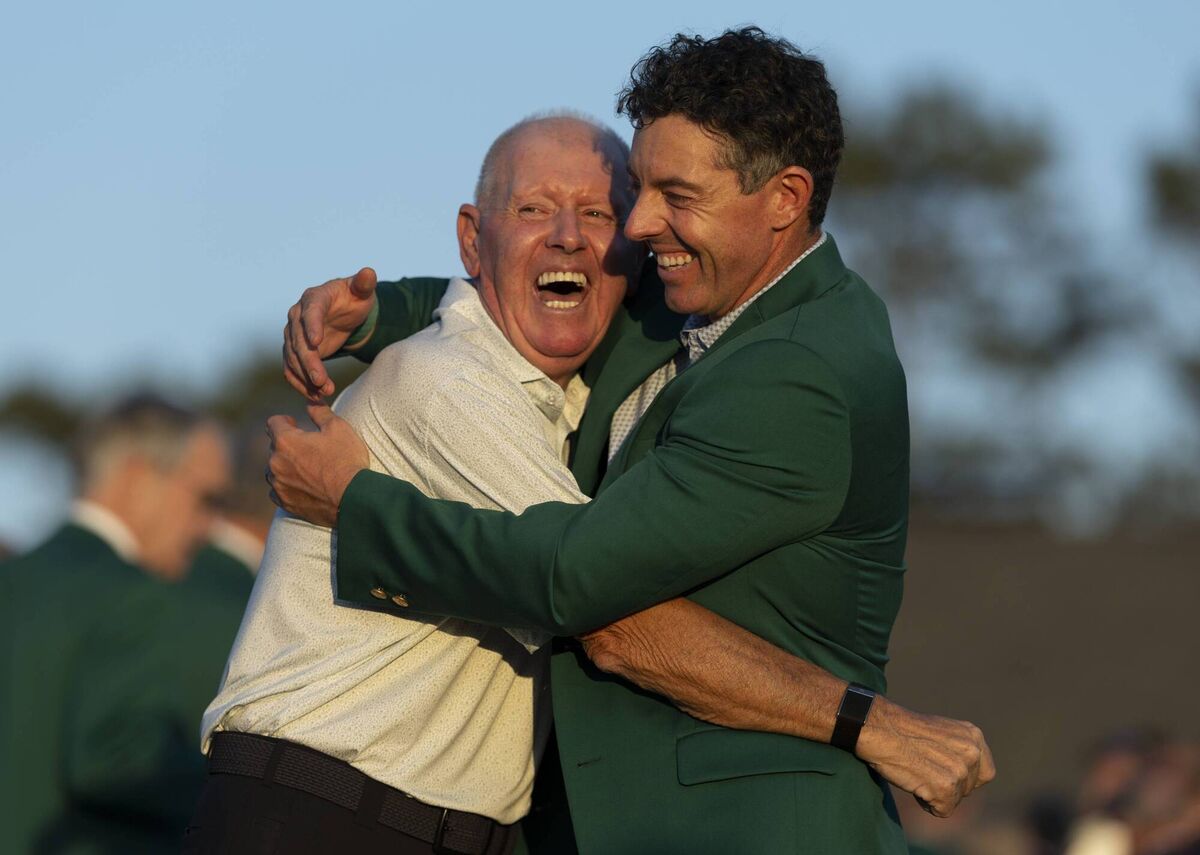
While sporting victories are of no practical help to families preparing children for the return to school or workers worried about the impact of the fuel price protests, moments like this can give a real lift to the public mood.
With his win, McIlroy became only the fourth player ever to win back-to-back Masters titles. It is a feat last accomplished more than 20 years ago by Tiger Woods. That statistic alone cements McIlroy’s place in any history of the world’s golfing greats. However, the numbers and lists of wins are only part of the story.
The experts can speak to the innate talent, brilliant skills, and precision that McIlroy brings to the sport, but what resonates most are those deeply human traits of perseverance, resilience, and dedication that transcend sport.
His path to this week’s triumph has been marked by disappointments, devastating near misses, and other setbacks, not least of which was the decade-long gap between winning his fourth and fifth major. A different type of person might have been tempted to concede defeat and become content to savour considerable early-career successes; McIlroy did not.
That singular determination in the face of adversity sets him apart. We cannot claim any credit for this 36-year-old’s success, but we can certainly enjoy seeing him rewarded for those enduring values of hard work and belief.
CONNECT WITH US TODAY



Be the first to know the latest news and updates