Trump's targeting of health keeps people hungry, sick and less likely to fight back
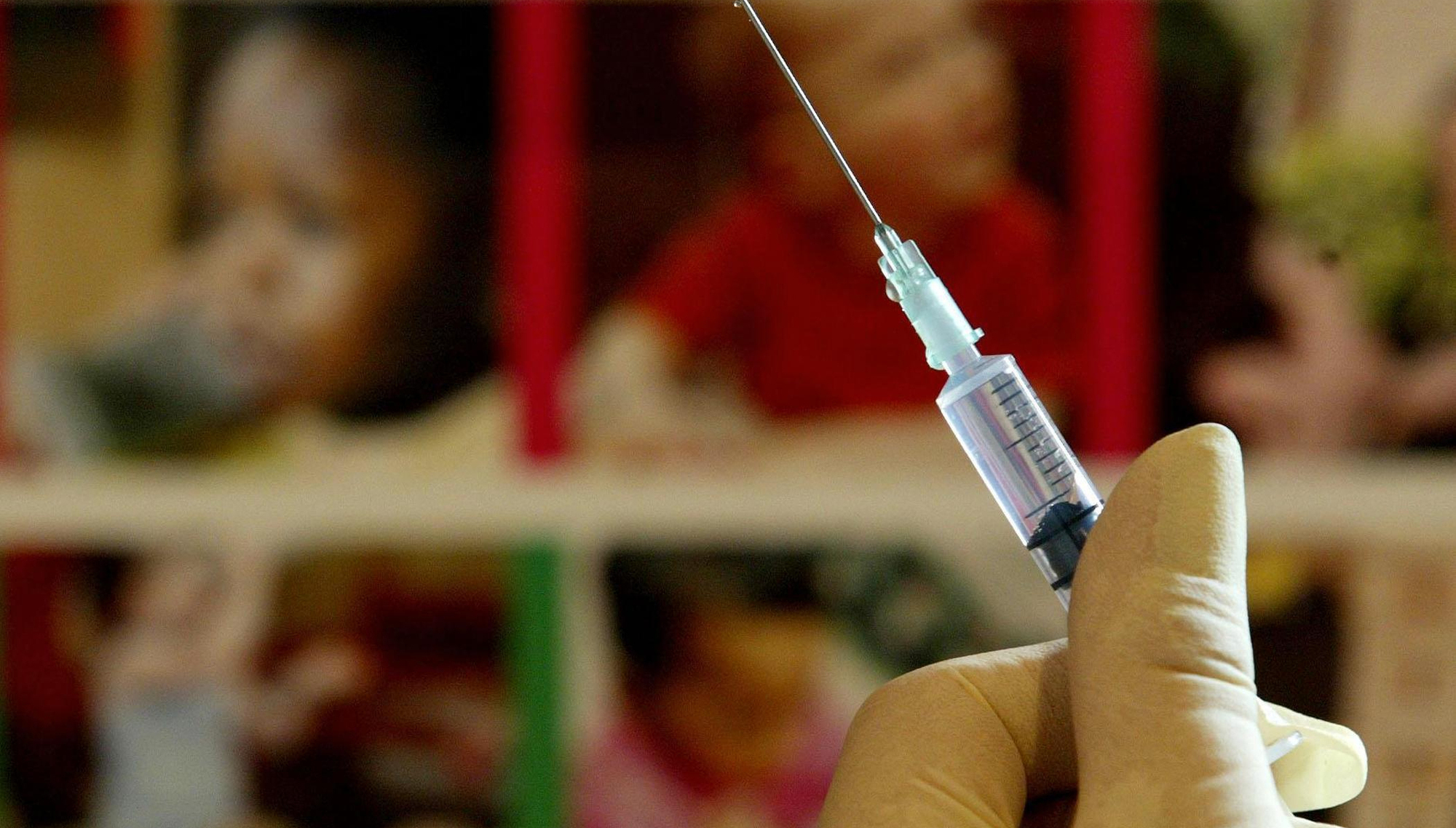
US health secretary Robert F Kennedy Jr has campaigned against childhood immunisations, persistently linking vaccines to autism.
A decade ago, my older son went through a period of crippling anxiety at bedtime. He had seen a movie about the Second World War, with images of children suffering from disease and malnutrition, and he couldn’t stop worrying that it would happen to him.
For months, I lay beside him at night, reassuring him by listing all the reasons why our world was a safer place. I told him those scenes were in the past and there was less illness and war now, until he eventually drifted off to sleep.
I would feel less honest in murmuring that motherly comfort to him today, if he needed it.
In the last 12 months, we have witnessed a swift and frightening desertion of fundamental evidence and practice in global health. This radical swing away from established public health measures and research programs has emanated from the words and deeds of the US president.
Since his inauguration, there has been a concerted attack on human health from all angles. Such is the influence of the US, this relatively short period of degeneration has had global effects, including in Ireland.
Good health enables people to achieve their potential. It helps build a stronger society and fuels the economy. Health is the most precious asset we have, both as individuals and as a society. The allocation of resources and decisions about how healthcare systems are structured and governed reflect ideological perspectives.
We need to see attacks on health as attacks on society. Programmes providing healthcare and carrying out health-related research take years to put together: to recruit scientists, conduct investigations, and implement improvements. Yet, they have been unwound at the capricious stroke of a pen. The rebuilding of health systems will take far longer than it took to dismantle them.
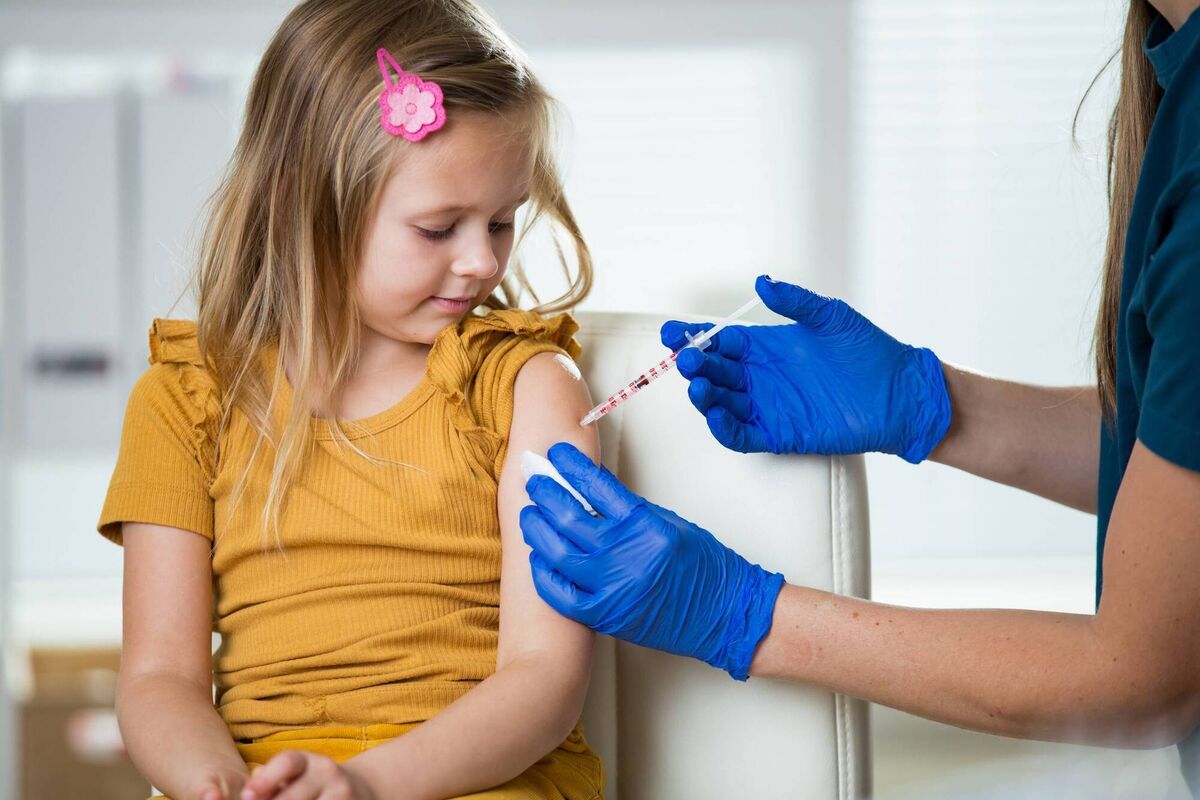
One of Trump’s earliest appointments was to the Department of Health and Human Services, with the post going to the conservative lawyer Robert F Kennedy Jr. Chair of an organisation called Children’s Health Defense, Kennedy has campaigned against childhood immunisations, persistently linking vaccines to autism.
In September 2025, he stated paracetamol use in pregnancy caused autism. Last week, the recommended childhood immunisation schedule was slashed from 17 evidence-based inoculations to 11, without any scientific justification.
This deliberate weakening of child health protection occurs on a background of 12 months of cuts in funding to medical research, including projects working on cancer diagnosis and treatments. The right to reproductive health has repeatedly come under threat.
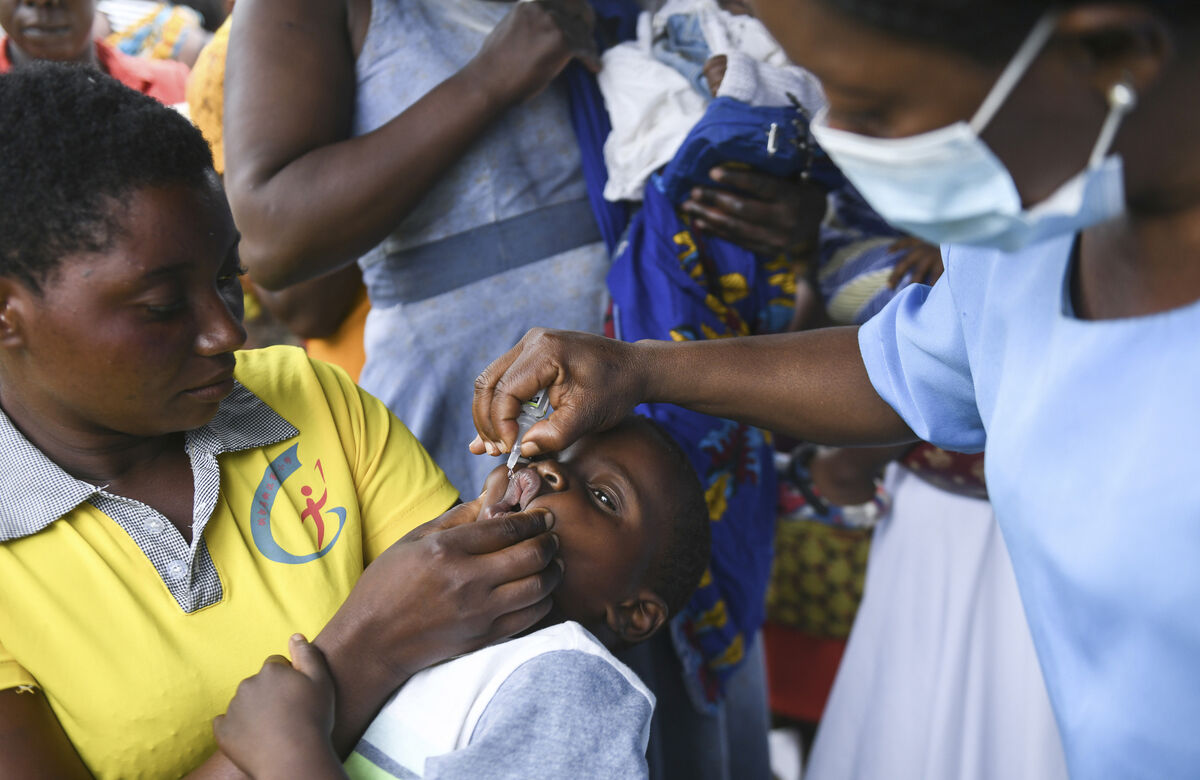
American financial contributions to the World Health Organization have also been massively reduced. This has resulted in the closure of health projects around the world, predominantly in poorer countries.
Recently, the Trump administration released new federal dietary guidelines for Americans to "limit alcoholic beverages", a change from previous guidance that suggested US adults limit consumption to two drinks or fewer per day for men, and one drink or less per day for women. The new guidelines make no distinction between alcohol guidance for men and women, although scientific research has shown each sex metabolises alcohol differently.
Reduced nutritional guidelines which confuse people is part of a picture of increasing food insecurity. Food banks were started in 1967 in the US and have spread worldwide, as food production methods changed.
According to a survey from the Global Food Banking Network, 32 million people used food banks across 50 developing countries in 2022 — almost twice as many as before the pandemic.
Behind the veneer of altruism, food banks benefit companies through tax breaks and favourable publicity. Many of the same companies who donate food do not pay wages that allow their own staff a decent standard of life.
Running alongside these specific attacks on health, issues like human trafficking and child sexual exploitation are growing, fostered by poorly regulated technology such as the social media platform X’s Grok, among others.
With misogynistic messaging coming from the US — remember Trump’s "quiet, piggy" outburst to a female journalist before Christmas — women and children live in a less secure, less healthy world than a decade before.
Escalating conflict, such as that in Ukraine and Gaza, erodes decades of health gains with disruption of antenatal clinics, immunisation programmes, hunger and the need for women and children to flee their homes. Peace promotes public health; war destroys health and wellbeing.
Two approaches to this rapid decline in global health offer hope. Firstly, we have agency in what is happening. The walking-away from population health that is occurring is a political act and ought to be seen as such.
The current piecemeal dismantlement of child and public health measures fits with the pattern described in a 2013 report by Anand Grover, Special Rapporteur on the Right to Health, as being an unacceptable strategy and consequence of political violence and conflict. Targeting the right to health is a cynical act of subjugation which keeps people hungry and sick, and less likely to fight domination.
The politics of health is related to electoral cycles and public sentiment — the latter element is up to us. We can choose to focus on the interdependence of human health and societal stability as a goal that is in the interest of everyone.
Secondly, attacks on health provide us with the opportunity to reevaluate our understanding of the values of solidarity, justice, and compassion which underpin human wellbeing. It is time to widen our definition of health, making it less individualistic and more social and community based.
Philosopher and writer Kieran Setiya describes the search for meaning in his book , which, in an unjust and often absurd world, has always brought people through adversity. Looking for meaning in healthcare when under attack can provide hope, purpose and direction.
The words of comfort we give our children about the life they can expect to live must hold weight and be true. Recognising the trend of health erosion and acting to stop further spread has become urgent and necessary.
We have no contingency plan in the face of accelerating disease and hunger that is brought about by disastrous policy change. Only billionaires and oligarchs benefit from societal upheaval, as we saw in the aftermath of the pandemic, with the incomes of the super-rich increasing in tandem with the accelerating use of food banks by the impoverished.
In the brief space of a year in the US, we have witnessed the emergence of a disturbing attitude to public health, coupled with closures and curtailment of health and research programmes. These concerted attacks have found fertile soil in an international rhetoric which promotes conflict and domination, denounces regulation and diminishes the legal protection of children and women.
This is not a movie or a bad dream we struggle to wake from. We must act in accordance with our values, acknowledge the profound importance of human health, and say enough is enough.
- Dr Suzanne Crowe is a consultant paediatric anaesthesiologist and president of the Medical Council
CONNECT WITH US TODAY



Be the first to know the latest news and updates