Celtic Interconnector delayed until 2028, deepening energy concerns
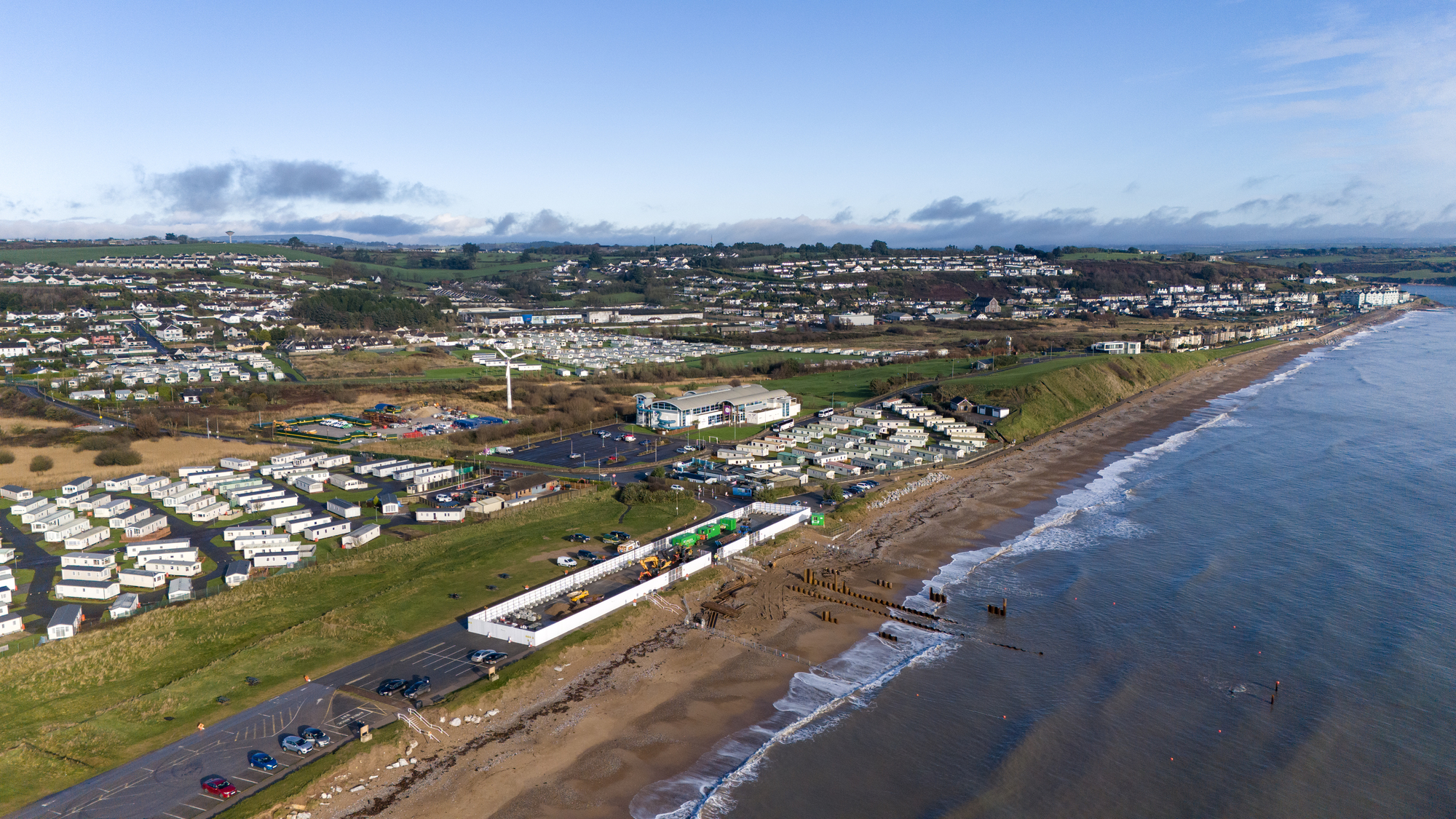
Work on the Celtic Interconnector on Claycastle Beach, Youghal, Co Cork to facilitate exchanging electricity over 575km between Ireland and France. File picture: Dan Linehan
A delay of at least another two years in completing the Ireland-France interconnector is set compound rapidly rising electricity prices in a further blow to hard-pressed households.
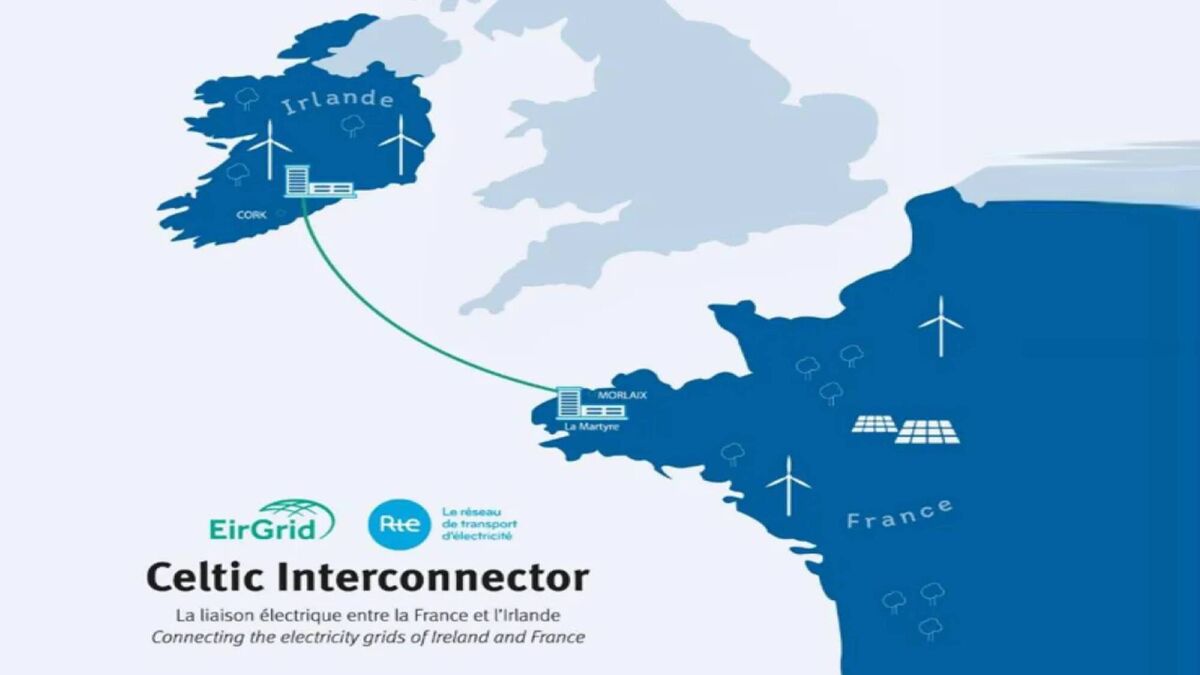
The energy cable, connecting Cork to Brittany, received €530m in EU funding in 2019 and was set to “go live” in 2026.
Recent debates in the Dáil failed to get Government clarity on the scheduled completion date of the Celtic Interconnector, with Fianna Fáil TD Malcolm Byrne describing the lack of clarity as “deeply worrying”.
The Celtic Interconnector is a joint project of EirGrid and French equivalent Réseau de Transport d’Electricité and is Ireland’s first electricity cable to the EU.
On its website, EirGrid says the project’s commissioning date is now “expected for Q4 2028”.
The project’s delay strengthens Ireland’s dependency on imported gas for electricity generation, prices of which have risen since the Gulf blockade.
The International Energy Agency has said reduced gas supplies will continue for another two years.
“It's worth pointing out that the present expected date for it to be online is weather dependent and could be pushed out further,” Barry Hayes, associate professor in electrical power systems at UCC, said. “This is bad news for electricity consumers.”
He said the delays are largely due to cable manufacturing and installation issues which are “largely beyond EirGrid’s control”.
Mr Hayes said 40-43% of Ireland's electricity comes from gas and that 80% of the gas is imported, via twin pipelines from Scotland.
He added: “Celtic will improve our electricity security of supply since we will be able to import during periods of low wind, and it will put downward pressure on electricity prices since wholesale electricity prices in France are lower than here. The sooner it comes online, the better.”
Paul Cuffe, associate professor at UCD School of Electrical and Electronic Engineering, said the connector's delay is “frustrating”.
He said: “It would give us somewhere else to turn when gas prices spike and oil markets throw a tantrum. France is far less exposed to this turmoil, because they made the wise decision to transition their electricity grid to nuclear power.”
Mr Byrne told Minister of State at the Department of Climate, Energy and the Environment, Fianna Fáil TD Timmy Dooley, that it is "deeply worrying" he did not know when the connector would be operational.
Mr Byrne told the Dáil the delay mirrored offshore wind energy deadlines, which were set for 2028 but had been “pushed out” to 2031 and 2032.
Paul Leahy, senior lecturer in wind energy at UCC, said the “earliest date” for new offshore windfarms is “probably 2032” but said this was subject to “considerable risk” due to domestic and external factors.
“The impact of the delay will be a further tightening of the gap between supply capacity and electricity demand, especially with the projected strong growth in demand from data centres,” he said.
“A further impact will be penalties for missing the 2030 EU renewable energy targets. It is also very important to accelerate onshore wind repowering projects, avoiding delays in the planning system.”
Mr Hayes said international gas markets are the "main factor" driving electricity prices in Ireland, and added: "We need to accelerate our energy transition and deliver on our existing decarbonisation goals. We need to clean up our electricity grid and then electrify transport and heating as soon as possible.”
Mr Cuffe said Ireland also needs to prepare for damage to gas pipelines: “This would be catastrophic. Without gas to burn our power stations, we'd be into the grim reality of rolling blackouts: switching off different parts of the country in rotation. It's a worrying single point of failure for our entire power grid.”
Exercises in 2024 said loss of both gas pipelines would have "severe impacts" and take six months to fix, sparking calls for a gas storage facility, like other EU states.
- Cormac O'Keefe is Security Correspondent.
CONNECT WITH US TODAY



Be the first to know the latest news and updates