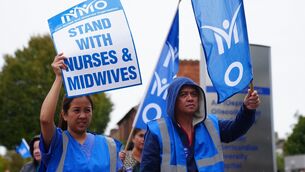
Children facing new school year uprooted from only home they've known
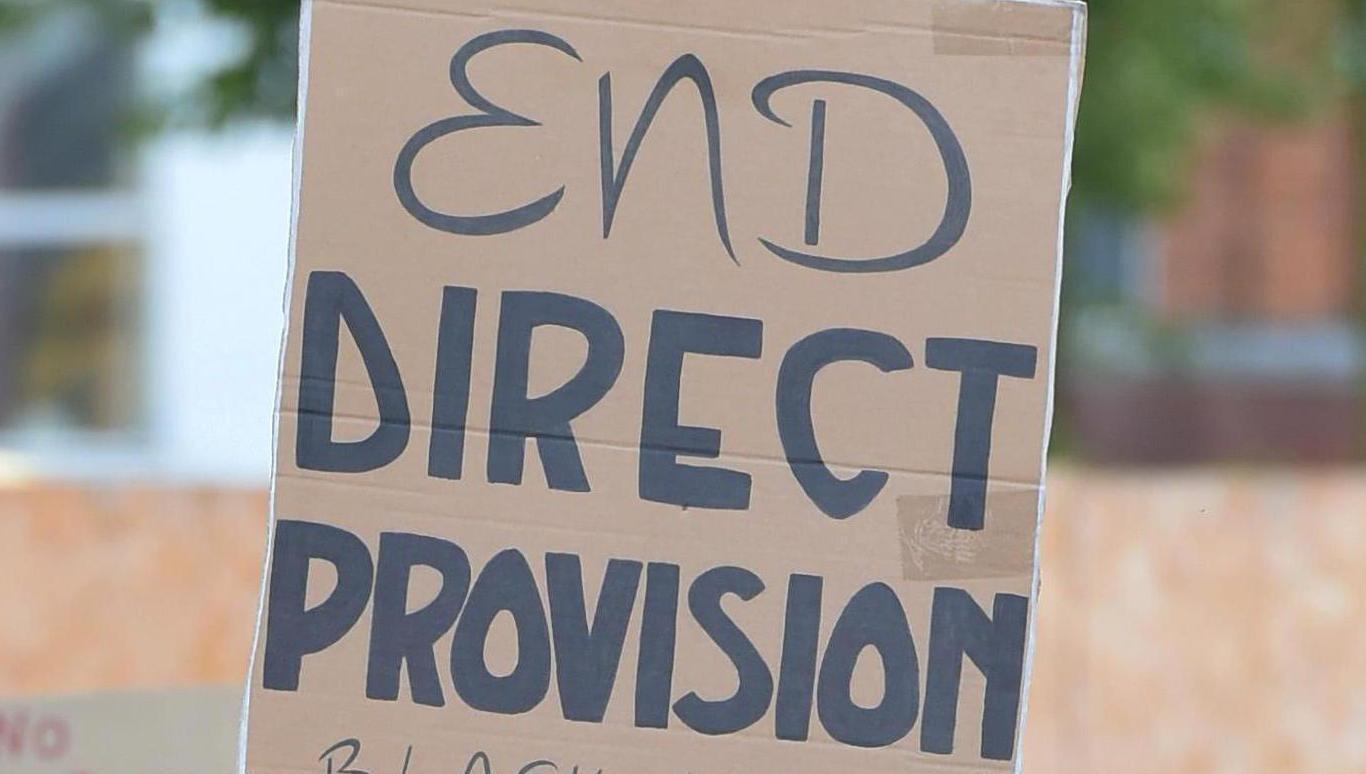
Challenges for those forced to leave direct provision are magnified by racism, which frequently meets them at the doors of rental viewings. File Picture: Larry Cummins
In a few weeks' time, children across Ireland will return to school after the summer break. It’s a time of excitement and nervousness, but marked by the familiarity of friends, teachers, and routines.
However, for dozens of children in the international protection system, this school year will begin in turmoil.
Over the summer, families who have spent years rebuilding their lives in direct provision centres around the country have been told to pack up and leave — some with just a few days’ notice. They are being relocated to emergency accommodation far from the communities where their children have grown up, gone to school, formed friendships, and made home.
These forced moves are tearing families apart and destabilising the very children who most need security and consistency.
This is a chaotic response to the housing needs of asylum seekers. Government policy is not considering the human cost and fallout on young lives in particular.
These are young lives that have already faced so much. Conflict, trauma, and persecution drive hundreds of thousands of people to flee their homes to seek safety every year.
Those who seek asylum do so under international law, and they have rights: The right to protection, the right not to be returned to danger, and the right for their children to grow up in safety and dignity.
The options for those being told to leave the direct provision centres, where they have found some measure of stability, are limited: Either move into emergency accommodation, which is often lacking the required safeguards for children and miles away from schools, communities, and vital support networks they have spent years building; or rent on the private market, an almost impossible option where they will face not just the financial barriers and accommodation shortages faced by the wider population, but racism and socio-economic discrimination.
ActionAid Ireland is supporting several of these families whose lives have been turned upside down. They include two sisters from West Africa who are living in international protection accommodation services (IPAS) accommodation in the south-east of the country, and who have been told they must now leave.
Each sister has a five-year-old son. One has been offered emergency accommodation at the other end of the country, in Donegal, and the other in Mayo. Their lives, and that of their children, are being pulled in opposite directions.
Neither mother has slept properly since hearing the news. One spoke of her son, the first up every morning in his direct provision centre, eager to go to school. Having started junior infants this year, he cannot understand why all his new friends will soon be lost or why he will no longer live near his cousin — the only family he has known in Ireland.
The prospect of leaving their communities is not just distressing for these children, it is destabilising.
The Ombudsman for Children has warned repeatedly that this practice is harmful. He has also stated that in the first-place emergency accommodation is not appropriate for children.
A recent Health Information and Equality Authority review revealed serious cracks in governance and safeguarding in these centres, raising concerns about the safety and wellbeing of the most vulnerable residents. Yet the relocations continue.
Of the nearly 33,000 people currently living in IPAS accommodation, about 5,300 have been granted legal status to remain in Ireland and must leave IPAS accommodation.
In reality, they are being pushed out of relative stability into a housing market in deep crisis where people all over Ireland are finding it impossible to get affordable rentals.
Challenges for those forced to leave direct provision are magnified by racism, which frequently meets them at the doors of rental viewings. It is completely unrealistic to expect these families to succeed in securing private housing without significant support.
The policy to move people from direct provision risks funnelling children and families straight into homelessness.
These children are real people; they are not statistics. They are losing teachers who know their needs, coaches who welcomed them to local sports teams, and neighbours and friends who made them feel part of a community.
The Government has a choice here: It can continue to pursue a policy that uproots families and undermines their stability, or it can listen to the voices of children’s rights advocates, NGOs, and affected families calling for a child-first and human rights approach.
Such an approach would prioritise keeping children in their schools and communities. It would strengthen and empower local councils to better support integration efforts, and ensure appropriate safeguarding measures in any accommodation provided. Above all, it would recognise that the needs of children must take precedence.
The Constitution pledges to “cherish all the children of the nation equally”. Article 42A specifically affirms children's natural and imprescriptible rights and the State's duty to uphold these rights.
In the Dáil recently, the Taoiseach stated: “My fundamental motivation right through my political life has been that you do not leave the child that’s furthest behind, behind.”
The reality is children in this country who are furthest behind are being left behind.
They include the two five-year-old cousins who are amongst the families that ActionAid Ireland is supporting. Because their families have been granted legal status to remain in this country, they have to leave their direct provision accommodation and will be uprooted from the only home they have known.
The Government must respond with compassion and urgency, with human rights to the fore.
This is the way we can ensure, truly, no child is left behind. This is how we make back to school what it should be — a nervous but smooth transition to the school term, not a disruptive move across the country.
- Cillian Quinn is the policy and programmes co-ordinator with ActionAid Ireland


CONNECT WITH US TODAY



Be the first to know the latest news and updates