Enhanced tenant protections are welcome, but housing reforms fall short  
The reforms announced recently around security of tenure are welcome, but there needs to be a focus on new construction to counter the impact of the RPZ reforms, writes Michael Byrne
Enhanced tenant protections are welcome, but housing reforms fall short  

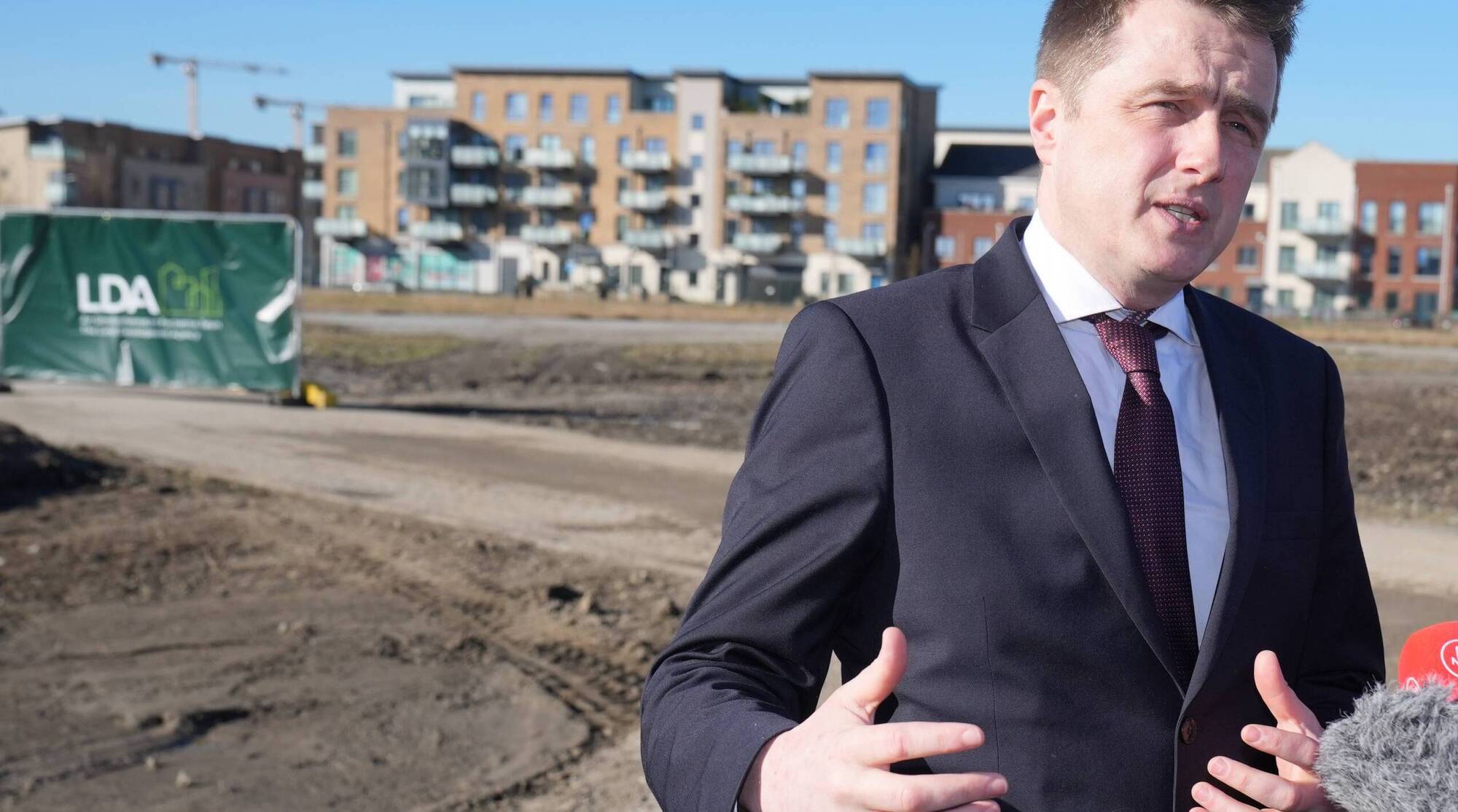
The reforms announced by the minister for housing James Browne reflect this, ensuring tenants for the first time will have a minimum of six years within which they can be confident they will not receive a notice of termination. File photo: Brian Lawless/PA

The recent Government announcement on the reform of the private rental sector represents a major step-change. 

While most of the debate so far has focused on rents, affordability and supply, changes to the security of tenure enjoyed by tenants are equally significant. We have known for a long time that insecurity, evictions and frequent moves are some of the most pressing issues for renters. 

My research with housing charity Threshold in 2020 showed that fear of eviction is pervasive for tenants, undermining their ability to create a home and put down roots in a community, and preventing them from advocating for their rights for fear of ‘rocking the boat’.

Likewise, data collected by Focus Ireland has consistently shown that evictions from the private rental sector have been one of the main drivers of homelessness over the last decade. With homeless charities struggling to move homeless people out of emergency accommodation, stemming the tide of new homeless presentations is crucial.

Security of tenure

Previous Governments have resisted addressing security of tenure, despite the fact that such measures can be introduced overnight, can positively impact more than 300,000 households renting privately, and come at no cost to the Exchequer. 

Supposed constitutional issues around protecting renters’ right to a home have been cited, but the real reason has been concern with boosting the number of rental properties. The reality is that security of tenure and investment have never been in zero sum conflict. 

The reforms announced by the minister for housing James Browne reflect this, ensuring tenants for the first time will have a minimum of six years within which they can be confident they will not receive a notice of termination.

The major obstacle to security of tenure under the previous arrangements were the ‘no fault’ eviction grounds: landlords could terminate tenancies at any point if they wished to sell their property or recover it for family use or to renovate. The new measures remove these ‘no fault’ grounds entirely for large landlords (four or more properties), and for six years for smaller landlords (three or less properties).

As the majority of tenants, 55%, will fall within the larger landlord category, they will effectively enjoy lifetime security of tenure. For the remaining tenants, they will now have a six-year period within which they can create a home, feel secure and plan for their next housing transition.

In terms of investment, a six-year period will not unduly impact on small landlords. Data from the RTB’s 2023 survey shows that only 27% of small landlords say they are likely to sell property in next five years, and of those who have exited the PRS recently, only 13% acquired property in the last 10 years. 

Institutional landlords normally sell with tenant-in-situ, and therefore have no need to evict tenants for sale of property. Obviously they never evict for family use, the other main reason for tenancy terminations, according to RTB data. 

The reality is that property is a long-term investment, and our security of tenure policy now reflects this reality.

'Family use'

There are a number of important additional measures announced as part of the Government’s suite of measures. 

First, although full details have yet to emerge, it appears that landlords will still be able to evict within the six-year period if the property is required for ‘family use’. 

This is a regrettable inclusion, as it undermines the objective of the policy by allowing for a form of eviction that the tenant can do nothing about and has no responsibility for.

'Hard cases'

Second, a ‘hardship clause’ has been introduced to deal with ‘hard cases’ that occur within the six-year period (it does not apply to large landlords). 

In cases like family breakdown, risk of homelessness or bankruptcy, landlords will be able to issue a notice of termination within the six-year period. 

The design and implementation of this measure will be crucial to ensure it is used appropriately and not subject to abuse by non-compliant landlords.

RPZ reform

The Government has argued that the enhanced security of tenure measures can counter-balance the impact of the RPZ reforms, recognising that deregulating rents between tenancies creates an economic inventive for landlords to evict tenants and reset rents to market rate. 

While the security of tenure measures are indeed needed in the context of RPZ reform, we now have a situation in which the economic incentives of landlords are not aligned with the Government’s stated policy of creating long-term, secure rental homes. 

Landlords with tenancies of say, 15 years, are enormously penalised by the new measures as their rents are subject to the 2% cap for the entire period. In contrast, a landlord who has tenants in and out every six months will be laughing all the way to the bank. 

Similarly, when letting properties, landlords are now incentivised to rent to likely short-term tenants (e.g. international students) rather than likely long-term ones (e.g. young families).

Defenders of deregulating between tenancy rent increases will no doubt say it is needed to incentivise investment in new rental properties, especially from the institutional landlord sector. 

But this could be achieved by simply eliminating all rent regulation on newly constructed apartments (exempting them for a period of 10 or 15 years), and maintaining rent regulation both within and between tenancies for existing properties. 

This would focus, in a more aggressive and targeted manner, on new construction, while simultaneously protecting existing tenants and maintaining affordability within the entire existing stock of housing. 

Similar policies have long been in place in countries like Denmark, and have recently been introduced in Spain, a country which experienced an enormous increase in institutional investment in 2024. 

Enhanced protection for tenants is a crucial step forward, but the wider set of reforms falls short of a coherent, long-term vision for the private rental sector.

  • Michael Byrne is a lecturer at the School of Social Policy, Social Work and Social Justice, UCD, and the author of theweekinhousing.substack.com. 

x

More in this section

Revoiced

Newsletter

Had a busy week? Sign up for some of the best reads from the week gone by. Selected just for you.

Cookie Policy Privacy Policy Brand Safety FAQ Help Contact Us Terms and Conditions

© Examiner Echo Group Limited