Survivor's burial claim reignites questions over missing children at Bessborough
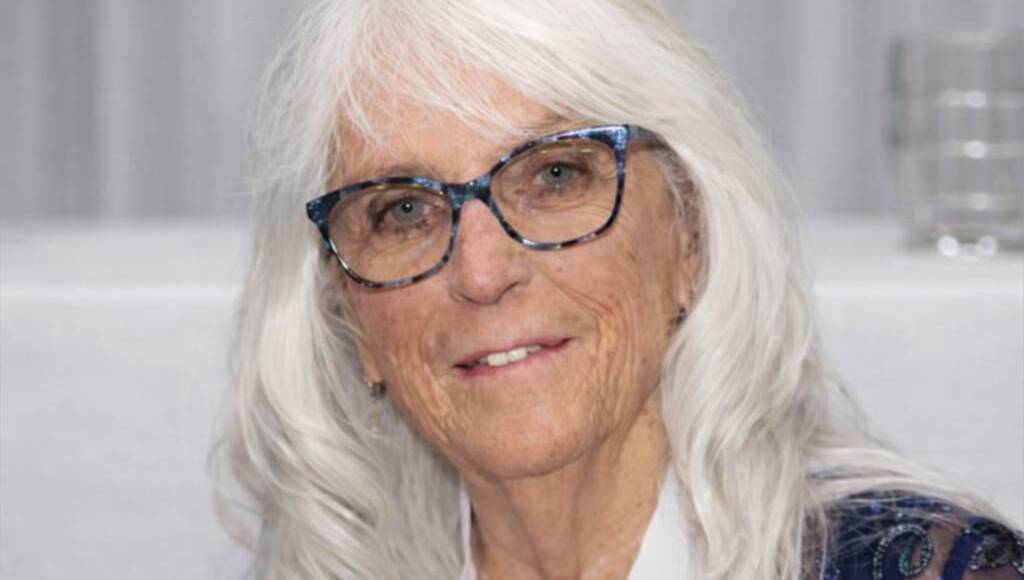
Therese ‘Terry’ Meyer spent her first four years in Bessborough mother and baby home in Cork, where she claims she witnessed an illegal burial. File picture
Although it is now more than six decades ago, Therese ‘Terry’ Meyer is adamant that she saw a baby’s body being buried in the grounds of a Cork City mother and baby institution.
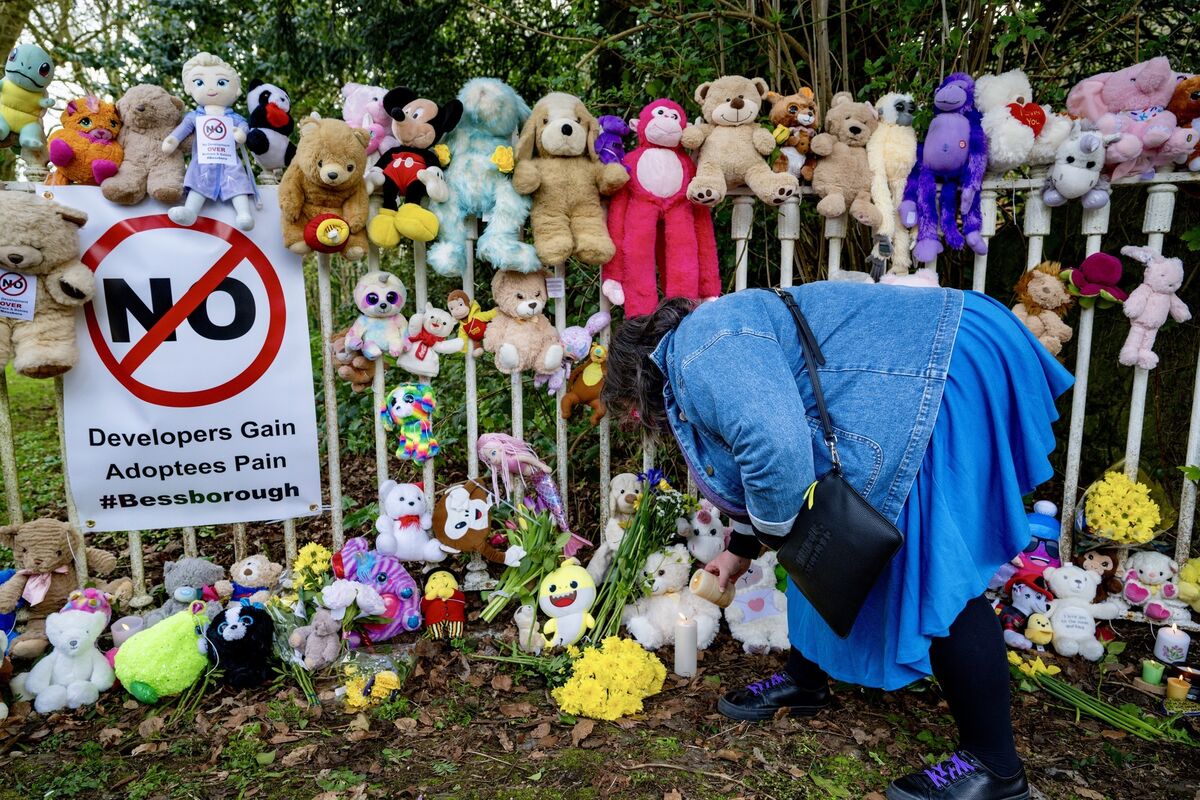
Last week, An Coimisiún Pleanála substantially upheld Cork City Council’s February decision to grant planning to Estuary View Enterprises for apartments at Bessborough.
This will allow for the building of 106 homes on the site, despite concerns that the bodies of hundreds of missing children could be buried there.
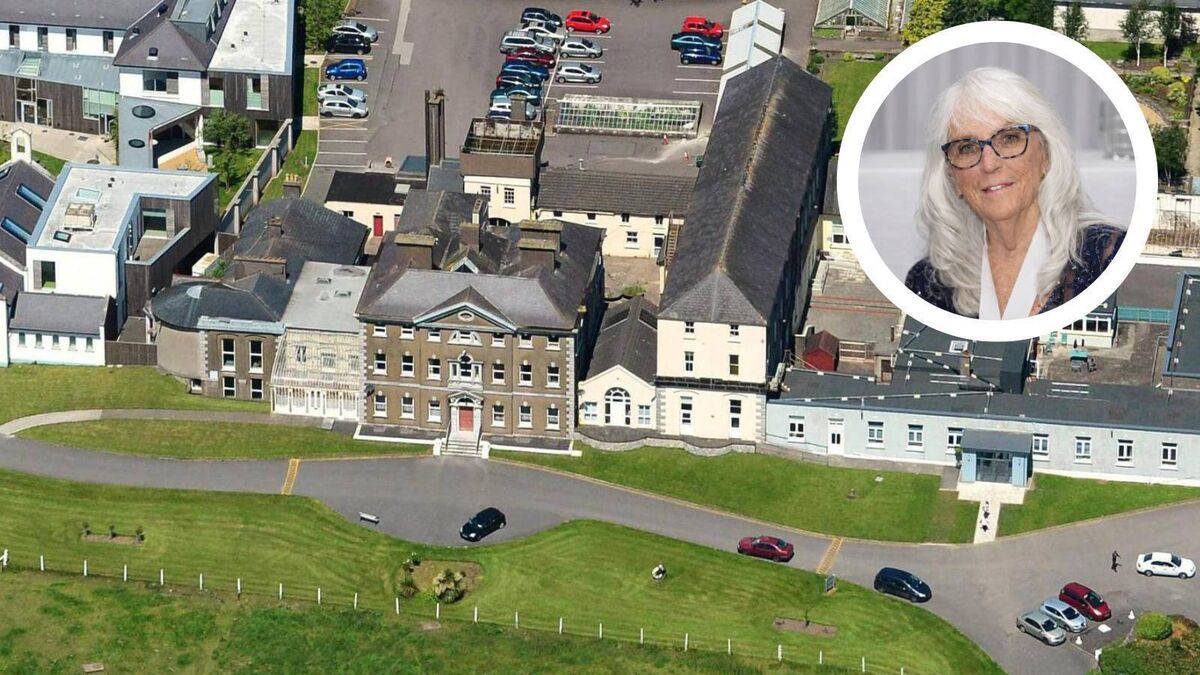
Between 1922 and 1998, Bessborough was run as a mother and baby institution by the Sisters of the Sacred Hearts of Jesus and Mary. In that time, 9,768 mothers and 8,938 babies were admitted there.
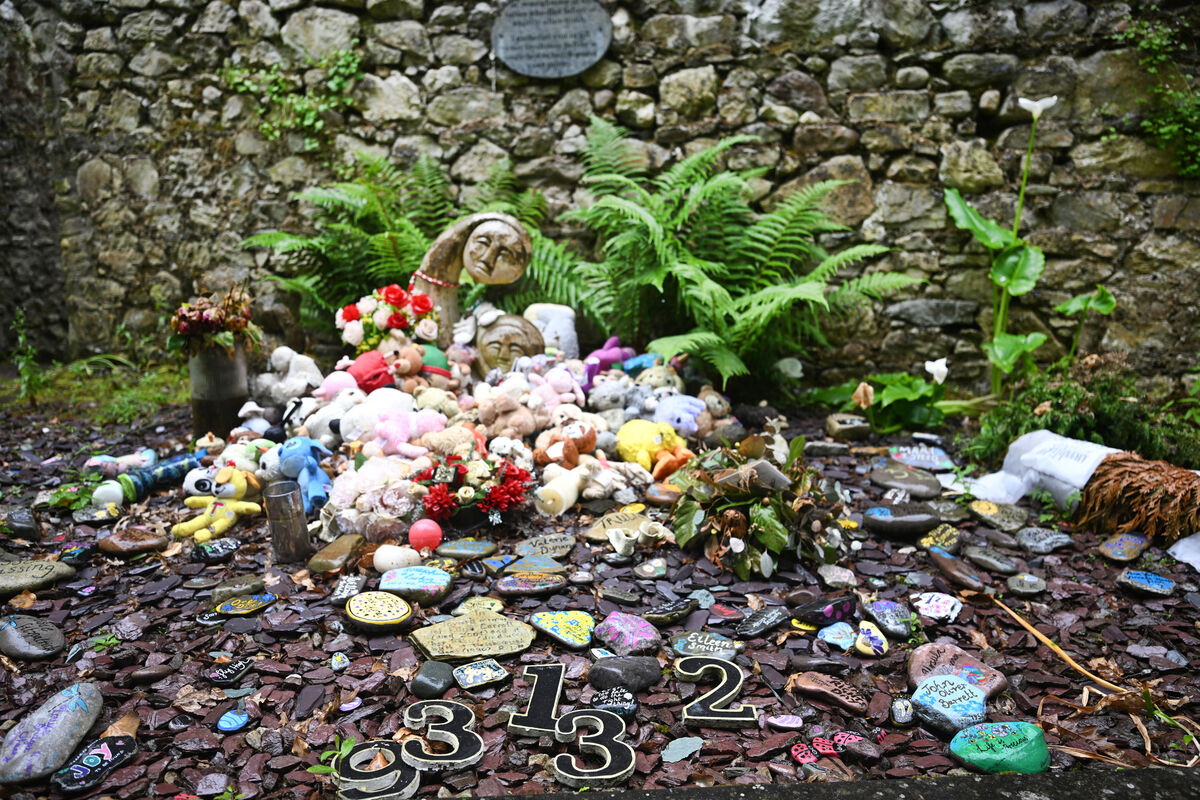
In 2021, the Mother and Baby Homes Commission of Investigation found that of 923 Bessborough infant deaths, burial records existed for only 64. It concluded it was “highly likely” that some of the missing 859 children were buried on the institution’s grounds.
Terry Meyer was born there, the child of a single mother, in the 1950s, and spent the first four years of her life there. Despite the passage of time, some things, she says, remain as clear as day.
“I was there for over four years. I was adopted through Catholic charities to older parents, but through those years, I do remember what happened, how I lived there,” she says.
Read More
She describes the nuns as “atrocious”, and says the children were treated appallingly in Bessborough.
“We were told every day we were the devil’s spawn; we weren’t worth anything. Many a time, you were slapped, you were hit,” she says.
“We were never given any type of warmth.
Ms Meyer says she has a clear memory of one day when she and another child had run off from the institution, toward the folly beside the nuns’ graveyard.
“There was a little boy with me,” she recalls. “I don’t remember children’s names, that part I don’t remember, but we saw a baby being buried, and we got the literal you-know-what beaten out of us because we were in an area we weren’t supposed to be in.
“We had run away from everybody. I kept saying, ‘what is that?’ When you’re that little, you don’t understand what’s going on all the time, and they said, ‘oh, it’s just a doll’.”
She says she had no idea what a doll was: “The only toy I had was a plastic horse. That was my toy.
“We were just innocents, we just were pure innocents, but we were the scum of the earth as far as the nuns were concerned.”
The area in which Ms Meyer says she saw a burial is not currently earmarked for development, but she and other survivors say children’s bodies could have been buried anywhere on what was then a 200-acre estate, and now consists of 60 undeveloped acres.
Now close to 70, the soft-spoken Irish-American says she has vivid and disturbing memories of her time in the mother and baby institution. She says:
“If you could hide within yourself, you would try and do that because you were afraid of what was going to happen to you next.”
Although adopted by a kind American couple who she says became her “real parents”, Ms Meyer has struggled all her life with low self-esteem.
“My adoptive parents, God bless them, were a little bit older. They couldn’t have children, but they wanted to have children,” she says. “They had adopted an older boy, my brother. He may not have been my brother by blood, but he was definitely my brother growing up.
“You always had it that you weren’t worth anything, and I never really said much. My family here, I love them all dearly, we have always had a very close relationship, but you always have it in your back of your mind that you’re not worth anything, that you shouldn’t be having anything good.
Ms Meyer and her husband have been married 43 years. They have four daughters, two of whom she says are in heaven, and two young grandchildren.
“God bless my husband, he’s had to put up with my ups and my downs, but he could never figure out why I would wake up screaming, and I just never said why, but it was because I was remembering and reliving,” she says.
In 1999, after her adoptive parents and her brother had died, she became seriously ill with double pneumonia.
“I always kept getting pneumonia, which you could probably trace back to Bessborough,” she recalls. “I was really sick. I was at the point where they ask you what your family history is.
“And I got tired of saying ‘I don’t know, beats me’. I felt, having been that sick and hospitalised for seven days, I needed to find something. I knew where I was from. I knew I was from Bessborough, and I just decided that I was going to go search and I wasn’t going to stop until I found something.”
In her quest to find who she was, Ms Meyer met her birth mother.
“I did find my birth mother,” she says.
“I look exactly like her, except she had blue eyes, and I have green. And I’ve been told by many people over there that I’ve met through the years that I have very much her attitude.
“But you know, not all reunions are happy reunions, let’s just leave it at that.
“I met her at Bessborough. She would not admit who I was. I was to be her sister. That’s how the story was told. She wouldn’t tell her husband who I was. She said I was her sister.
“Now, when you got 19 years between you and you look pretty much alike, you’d be suspicious, but anyway, I met her.
“The minute we pulled up on the grounds of Bessborough, I told my husband exactly where the statue was, and he was astounded that I could remember that, and he said, ‘are you okay?’ I guess every ounce of colour went out of me, and I looked like it was going to drop.”
The meeting did not go well.
“It was not a great get-together with my birth mother. She would never tell me anything,” Ms Meyer says. “The only good thing that came out of it was meeting her husband, and after she passed away, her husband — he was a dear, dear man — and I told him.
“I told him the truth, and he just started crying and said it wouldn’t have mattered: ‘You know, it wouldn’t have mattered to me.’
“And I said: ‘Well, she was afraid that it would come back.’
“I think with many a mother, they were afraid that it would come back, because that was the greatest sin in the world, to be unmarried and be pregnant.
“And he said it wouldn’t have mattered to him whether, but it obviously mattered to her, and I think she definitely had many issues from that.
"She did go on to have children, but I think it scarred her.”
When the 2021 Mother and Baby Homes Commission of Investigation report came out, she says, something inside her snapped.
“I said: ‘I can’t be quiet anymore, I know I’m not the only one that feels this way and feels we have the right to know who we are,’” she says.
“I ended up connecting with Carmel Cantwell [of the Bessborough Mother and Baby Home Support Group], God bless her.”
She joined the campaign for a change in Irish law, to grant adopted people a full legal right to their original birth certificates, birth histories, and medical information, and, she says, she became a bane to the then minister with responsibility.
“I started searching and connecting with people, and I’ve been called very tenacious when I want to find something out, and I met with minister Roderic O’Gorman, I had many a visit with him,” she says. “I think he was like, ‘oh my God, here she is’, but I was on Webexes and everything else, and I fought for that law to be passed that we had the right to get our information.
“The information I was given was totally redacted, and I said: ‘This is wrong. We’re human beings. We have the right to know. We don’t know who we come from.’”
The Birth Information and Tracing Act came into law in 2022, but, she says, she is still waiting on her own information.
“The same as the redress, and honestly, I don’t know what money is going to do for us, but you know, if we’re entitled to it, if it can go to something, that’s fine,” Ms Meyer says.
“The fact there are so many survivors, the more I learned, the more horrified I got, the more I got justified in fighting to find the information out that we needed to know, and that’s been my fight.”
Ms Meyer is the president of the New York State Ladies Ancient Order of Hibernians, the sister organisation of the oldest and largest Irish Catholic fraternal organisation in the US.
“I have a very dear friend that was a mother in Bessborough. It was coincidence, in a conversation in New York City, sitting having dinner after a New York City St Patrick’s parade meeting, I don’t know how we got even on the conversation, but it turned out that she was a Bessborough mother and I’m a Bessborough child, and when you put the stories together, when I hear what she went through, it horrifies me, when she sits there in tears.
“She’s now 85 years old. She’s a dear woman, but when she tells you how she was locked in a room for 24 hours, a cold room, by herself, left alone, screaming in labour, and the nuns just left, closed the doors, and they went off to pray.
"You know they didn’t get pregnant by themselves, unless it’s the immaculate conception, nobody does, but there was never any accountability for the men.
“Some thought they were in love, young love, that happens. Others, I’m sure there’s plenty of men out there that don’t know they’re fathers. You know, she told me the story about her and the gentleman that she got pregnant to. She was young, 16 or 17. You’ve heard these stories.
"Everybody’s heard these stories.
“She went over to England. They thought they could be safe over there. They turned to the nuns; they went to some place that they thought was a safe haven. She was turned over and sent back to Bessborough, and this is what they did to many a mother.
“And they live with that shame, but she was honest when she realised who I was and my backstory.
"We had a common bond with each other, but when you hear that side of it, you’re just even more horrified.
Last night, my husband grabbed my arm. I don’t even know that I’m screaming in my sleep anymore. He just grabs me.
“When I’ve been very involved with fighting for survivors or trying to see what I could do, who I could talk to, what group I need to try and speak to, it just stirs things up. The decision to uphold planning for apartments at Bessborough, to me, that was a stab in my heart and in my soul, because it just showed the inhumanity, and the callousness.”
With the way now clear for building on what she calls “sacred ground, holy ground”, Ms Meyer says the Government must step in, compulsorily purchase the Bessborough site, and order a forensic examination of the grounds.
“We have to find them,” she says. “Those babies count.
"They were somebody’s daughter or son. They mattered. They matter.”

CONNECT WITH US TODAY



Be the first to know the latest news and updates