Examining our environmental exposures could turn the tables on chronic diseases

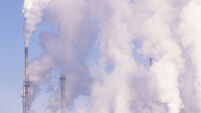
Four people die every single day in Ireland from pollution in the air that we breathe, with many more people admitted to hospital, putting a huge additional burden on our health services. File picture
How many times have we heard it from older people “there was no such thing as that when we were growing up,” be it multiple sclerosis, Crohn’s disease, or motor neuron disease, the list goes on and on.
Is it the case that these conditions only arise because people are living longer, because we've learned how to diagnose them, or is it because we are exposed to environmental factors that our grandparents were not exposed to? Is it our genes or where we live or what we eat?
Well, these questions have motivated experts from across the world to come together in Washington DC this week.
While the Human Genome Project to map the genes in the human body revolutionised our understanding of genetics, it only provides a small part of the answer because our genes account for only 3-5% of chronic disease. What is less understood is the interaction of our genes with chemicals, pollutants, diet, lifestyle factors, and social stressors— environmental exposures, which are linked to approximately 90% of chronic diseases.
For example, as minister for the environment, I worked hard to try to address the fact that four people die every single day in Ireland from pollution in the air that we breathe, with many more people admitted to hospital, putting a huge additional burden on our health services.
Many chronic health challenges are complex, with significant impacts on individuals, their families, our health service, the economy, and broader society. This is where the Human Exposome Project launched in Washington DC this week comes into its own. The exposome refers to all the physical, chemical, biological, and social factors in our environment that influence our health throughout our lives.
And this week researchers from a broad range of research disciplines, supported by people like me who know how research feeds into policy, are coming together from across the planet, including those from low- and middle-income countries, to systematically map and characterise the environmental exposures that impact human health from right from conception to death.
This is a monumental task that will require not just the support of the global academic and medical community but governments as well, to translate this groundbreaking challenge into actionable public health and policy strategies for disease prevention, early intervention, and treatment of chronic illness.
The meeting in Washington DC is the first step, with the objective of establishing a global governance structure for the Human Exposome Project, bringing everyone regardless of country, politics or religion together to address environmental health disparities and promote environmental justice.
While this is an enormous challenge, particularly at a time when we have such geopolitical tensions across our planet, I think that this is an opportune time to bring our world together to make it a better place for all who live on it.
The Human Exposome Project is a collective effort to ensure that science and technology benefit humanity—responsibly, inclusively, and transparently. This is not just a worthy theoretical goal; I believe that this project can be the practical bridge between bold ideas and real-world impact, which can help to overcome the isolationist approach of some countries today.
This project has the potential to ignite the greatest public health revolution of our time; merging medicine’s healing power with environmental stewardship to save lives at scale. From consumer products that do not poison our water to hospitals that heal both patients and the planet, the global meeting of minds in Washington DC is trying to develop the blueprint for a world where healthcare protects tomorrow’s children while curing today’s diseases.
The project is not just about curing diseases or cleaning our planet — it is about re-shaping healthcare into a force that heals patients without bankrupting nations. By aligning medical breakthroughs with environmental stewardship, the team are building a system where every vaccine vial, every AI diagnostic tool, and every climate-smart building delivers dual returns: longer, healthier lives and trillions of euros safeguarded for future generations.
You can read more about this initiative at exposomemoonshot.org.
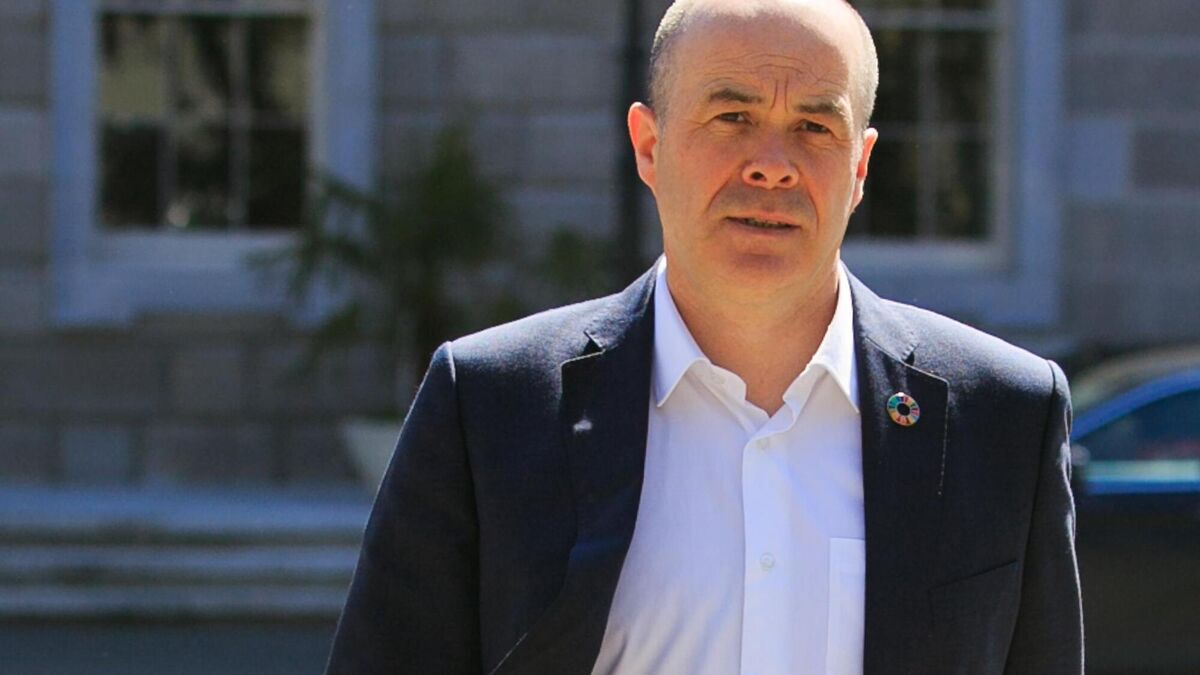
- Denis Naughten is a former minister for communications, climate action and environment and outgoing chairperson of the global inter-parliamentary union working group on science & technology.


CONNECT WITH US TODAY



Be the first to know the latest news and updates