Almost two-thirds of former racing greyhounds born four to five years ago now dead
Almost two-thirds of former racing greyhounds born four to five years ago now dead

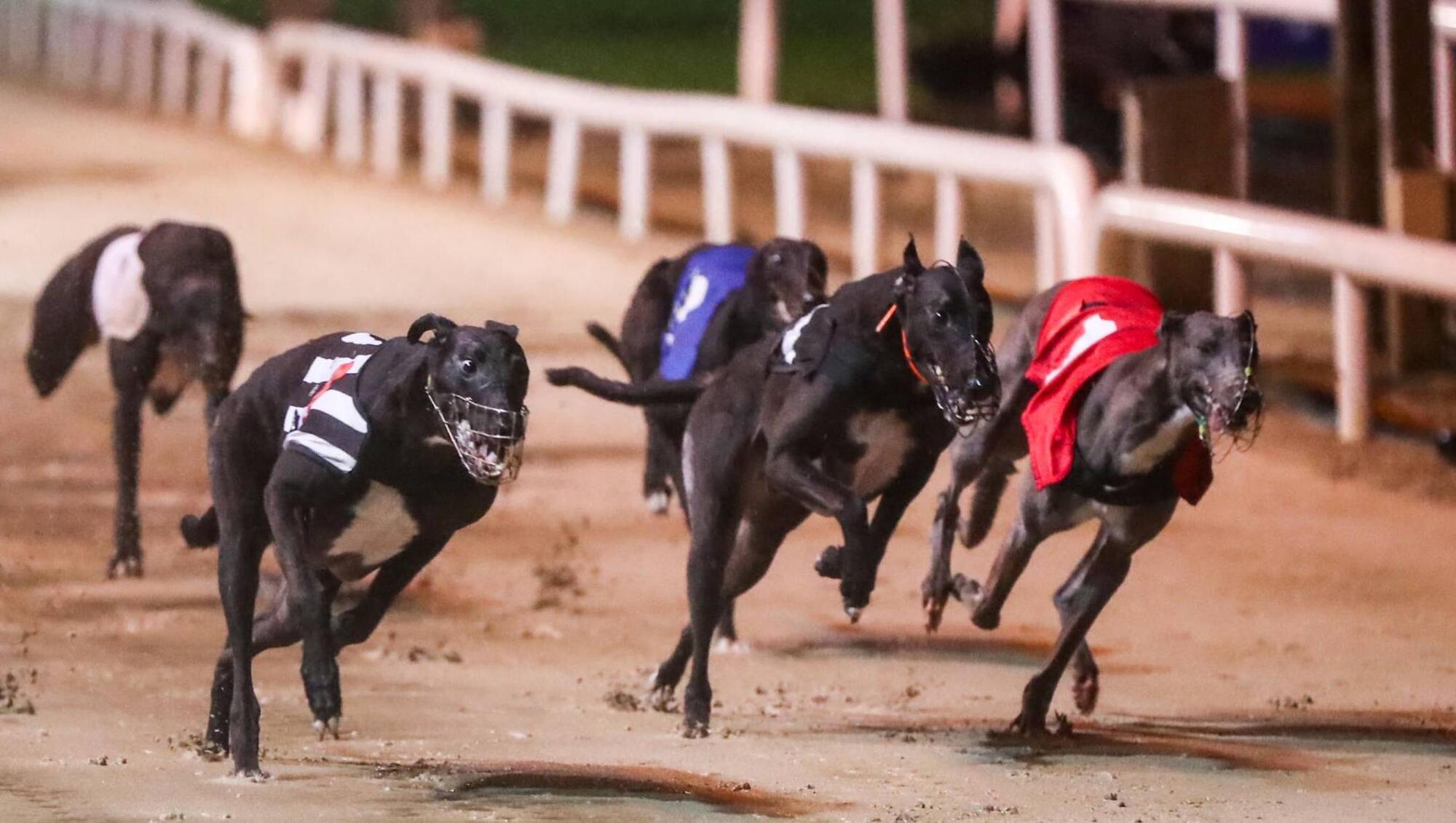
Greyhound racing receives just under €20m in taxpayer funding on average from the exchequer annually via the €100m Horse and Greyhound Fund. File picture: INPHO/Nick Elliott

Almost two-thirds of racing greyhounds born in Ireland in 2021 and 2022 who have left the circuit are dead, with just under 6,000 fatalities recorded by industry body Greyhound Racing Ireland (GRI).

New figures show that some 5,960 animals born in 2021 and 2022 have now been recorded as deceased, or 63% of the animals noted as no longer actively racing and not subject to export.

The oldest of those dogs would have been five-and-a-half years old, with most greyhounds considered to have passed their natural racing lifespan by their fourth birthday. Domestic greyhounds kept as pets typically live to ages of 12 and upwards.

The figures, released to Green Party leader Roderic O’Gorman via parliamentary question, show that as of January 1 of this year, 2,660 greyhounds — out of 3,593 listed as inactive and who had not been exported — born in 2022 had died, a rate of 74%.

By contrast, as of April 1, some 3,300 dogs born in 2021 out of 5,832 listed as both inactive and still resident in Ireland had died, a rate of 57%.

GRI said that it is “not aware of any underlying factor that would indicate a sudden escalation in outcomes for the 2022 whelp cohort when compared with 2021”.

A spokesperson said the “perceived increase” in mortality rate arises from comparing figures “taken at two very different points in time and therefore does not represent a like-for-like analysis”.

“A more appropriate comparison would be to assess the 2022 cohort at the same future reference point used for the 2021 cohort, which will allow for a meaningful like-for-like analysis once the 2022 cohort has reached a comparable stage of maturity within the traceability system."

A GRI source argued that a dog being listed as actively racing per GRI’s traceability system does not necessarily mean they are racing, but may simply not have been assigned a definitive retirement status, meaning that when the status of that cohort of animals is moved to inactive, the proportion of deceased animals would also decline.

However, Nuala Donlon, spokesperson for welfare organisation Greyhound Action Ireland, said that the new figures were grim.

“This would not be tolerated were it happening to any other breed of dog. It should not be tolerated in the case of greyhounds,” Ms Donlon said.

Greyhound racing receives just under €20m in taxpayer funding on average from the exchequer annually via the €100m Horse and Greyhound Fund.

GRI recently told the Irish Examiner that it is “fully satisfied” that its traceability welfare system for racing dogs is accurate.

More in this section

Lunchtime News

Newsletter

Get a lunch briefing straight to your inbox at noon daily. Also be the first to know with our occasional Breaking News emails.

Cookie Policy Privacy Policy Brand Safety FAQ Help Contact Us Terms and Conditions

© Examiner Echo Group Limited