Geography, not gender, won out in ministerial appointments
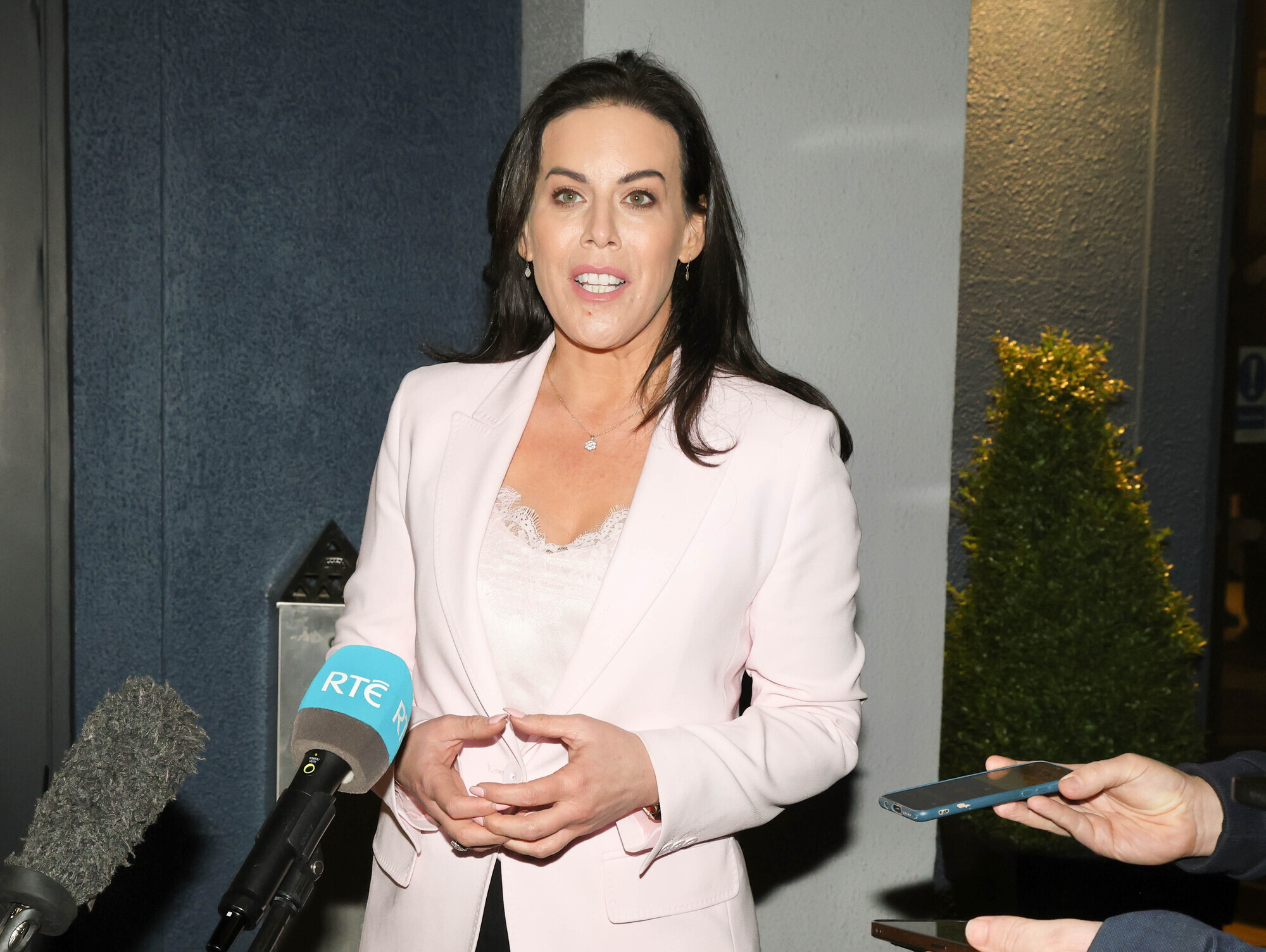
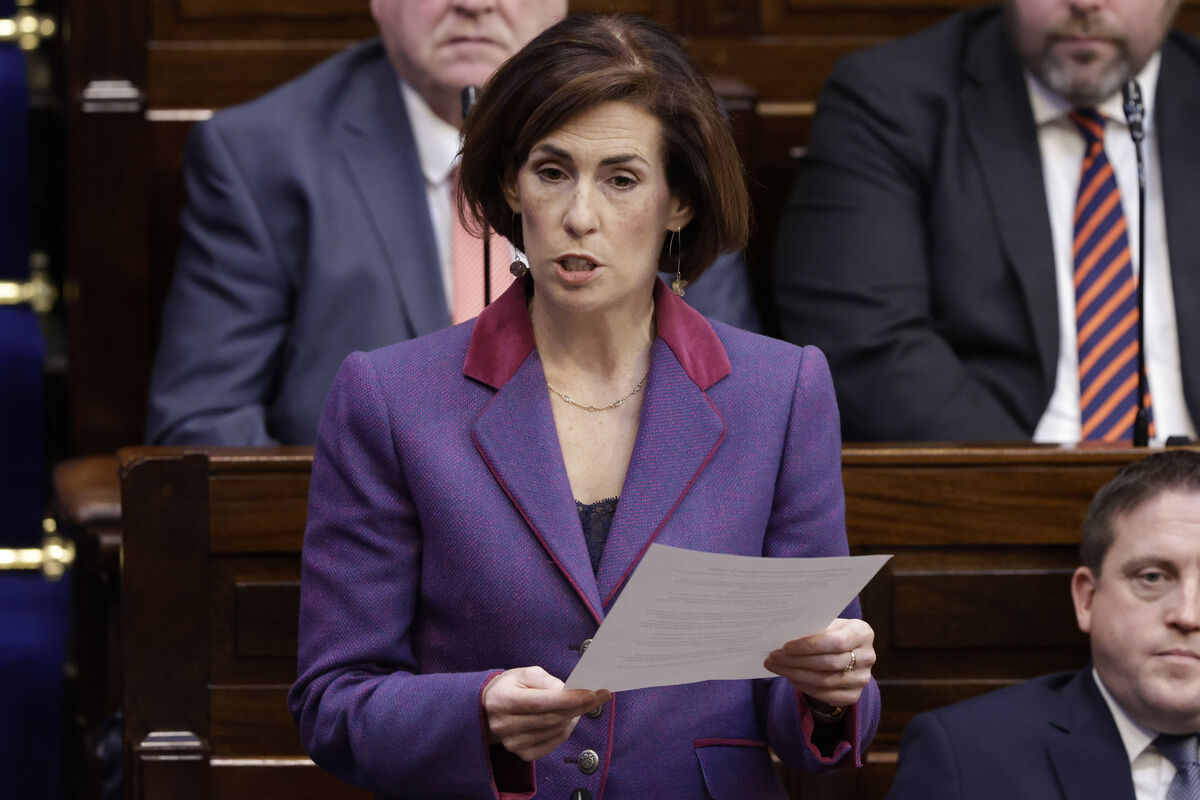
On the Fine Gael side, Jennifer Carroll MacNeill's promotion came as Heather Humphreys retired, making herself and Helen McEntee the two seniors. Picture: Sasko Lazarov / RollingNews.ie
Gender and geography.
The two most vexing questions for party leaders as they dole out party and government positions.
Or so we're told. In truth, more attention is actually paid to the latter than the former.
After Wednesday's junior ministerial announcements, there will be 38 members of the Dáil who hold a ministerial position or are the Taoiseach themselves. Of those, nine will be women.
For all of the talk of redressing the gender imbalance, the Taoiseach and Tánaiste's picks on Wednesday saw just six women named among the 23 who will be taking up what former minister Michael Ring called "the half car". That being opposed to the ministerial "full car".
In Mary Butler, Hildegarde Naughton, Niamh Smyth, Jennifer Murnane O'Connor, Emer Higgins and Marian Harkin, the Government has six able and hardworking junior ministers, at least half of whom would consider themselves able for a full Cabinet role.
They will all want to get on with their jobs and would likely prefer to avoid public discussion of their gender, but it is an elephant in the room in Irish politics.
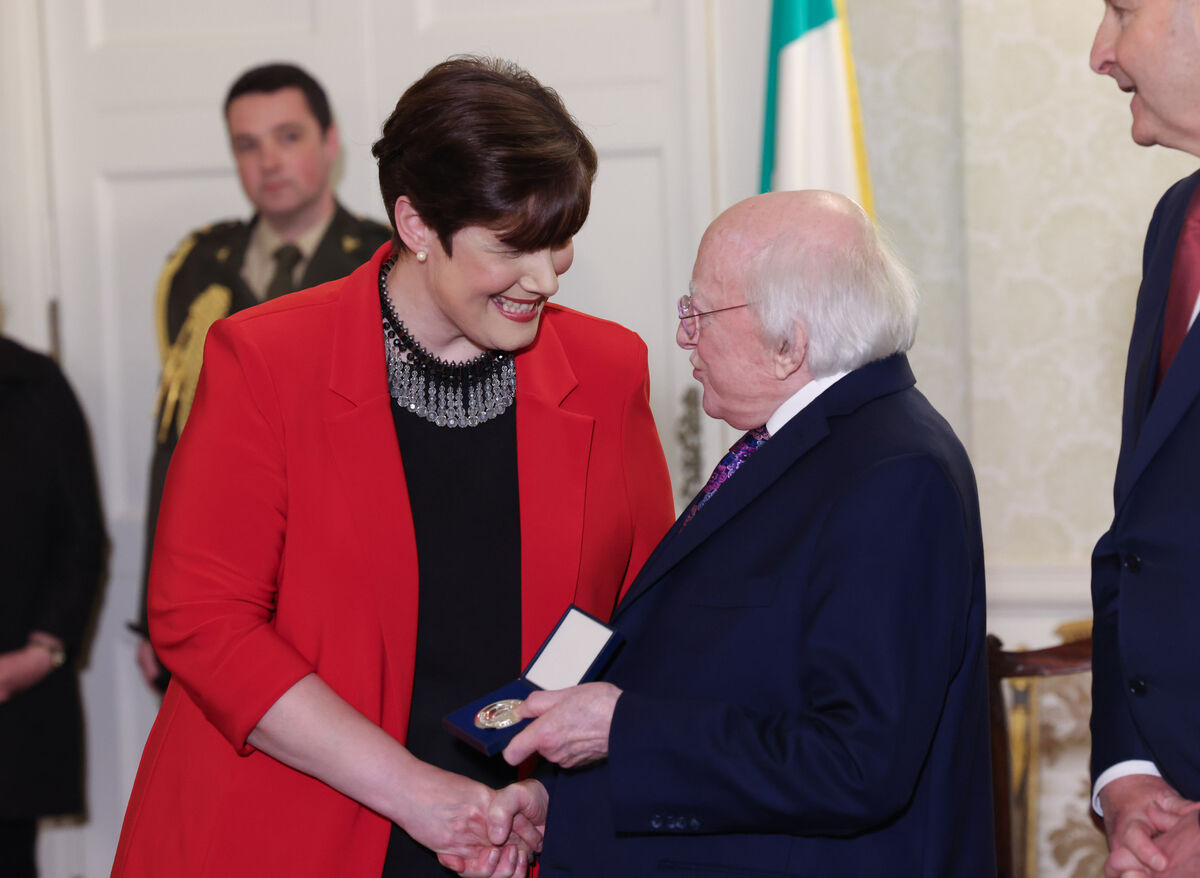
Within Fianna Fáil last week ahead of the announcement of the Cabinet, the perceived wisdom was that Micheál Martin, having nine slots including himself, had to make room for three women.
Norma Foley, a surprise pick for education minister in 2020, was a shoo-in to stay in the senior ranks. Beyond that, Ms Butler was part of his negotiating team with Fine Gael and was a junior minister in the last Dáil. She was considered another certainty by many, with Ms Smyth and former senator and first-time TD Catherine Ardagh mentioned as possibilities for chief whip.
In the end, Ms Foley was Fianna Fáil's sole senior pick, with Ms Butler sitting at Cabinet as Government chief whip.
On the Fine Gael side, Jennifer Carroll MacNeill's promotion came as Heather Humphreys retired, making herself and Helen McEntee the two seniors and Ms Naughton the "superjunior" who will attend cabinet.
At its heart the issue is about numbers. Of the 174 TDs elected to Dáil Éireann in November, 44 are women. Of those, 17 are from Fianna Fáil and Fine Gael, compared to 69 men. There are simply more men to choose from, increasing the chances of one being considered suitable for a role.
But maybe we have reached the point where men, having had the balance of the scales tipped in their favour for a century, artificially redress the balance, by promoting women when the head to head with a man is equal or even slightly in his favour.
It may seem radical, but the incremental approach does not appear to be working. Likewise, party leaders may need to be less squeamish about demoting men. This is not about punishing men or doing down the hard work done, but about recognising 27 office holders to nine is not representative of the society the Government represents.
For all of the talk about which parts of the country would be represented, there was less about representing 51% of the population.
Mr Martin told this writer on Tuesday the gender imbalance at Cabinet would be addressed through "a number of appointments" like junior ministries, committee chair roles and his own Seanad nominations, which has all of the hallmarks of a semantic fudge.
With respect to the important work of the latter two categories, very few people put up plaques when something is opened by the chair of the Oireachtas transport committee.
In 2015, as he ascended to the role of Canadian prime minister, the soon-to-depart Justin Trudeau was hailed for a gender-balanced cabinet. When asked why he had chosen 15 men and 15 women for the roles, his dry response made headlines across the globe.
"Because it's 2015," he told a reporter.
Maybe it will be 2015 in Ireland soon, too.


CONNECT WITH US TODAY



Be the first to know the latest news and updates