Catherine Conlon: To reduce road deaths we need to end our love affair with big cars
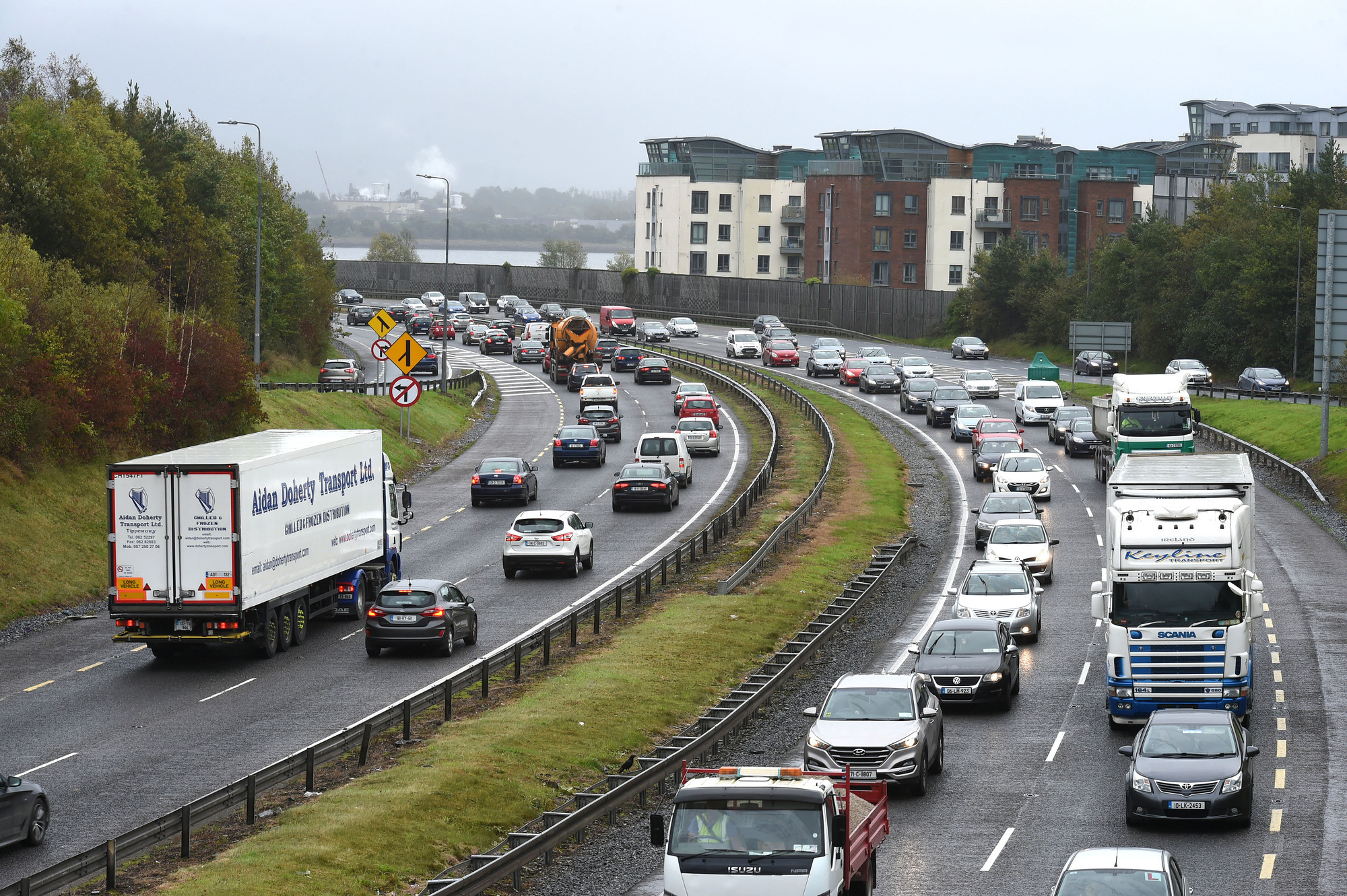
The number of cars per 1,000 inhabitants in Ireland reached 446 in 2020 — a figure that has almost doubled since 1990. File picture: Larry Cummins.
Speed limits of 30km/h in ‘slow zones’ are likely to be extended across Cork suburbs after city councillors agreed to publish draft bylaws for public consultation.
With 10 road deaths on national roads already in 2024, councillors agreed that the lower speed limits will help save lives and reduce serious injuries from road traffic accidents.
New speed limits are being introduced in 2024 with all local authorities being told to review the streets in their area by the end of the summer to ensure the measures can be enforced. Under new laws, speed limits will be lowered to 80km/h on national secondary roads, 60 km/h on local and rural roads and 30km/h in town centres and housing estates.
When I was 10 one of my brothers was knocked off his bike by a car. He was cycling home from school when a car came down the wrong side of the road and smacked into him. My brother was in a coma for two days and hospitalised for weeks. Eventually he made a full recovery. The driver was drunk and very lucky he didn’t kill him.
Decades later, not much has changed. Drink-driving laws have improved but car numbers have exploded and many cars look more like Panzers than private vehicles, making cycling and walking on open roads a dance with death.
Reducing speed limits, higher policing and stricter penalties will help reduce road deaths. As important is Government policy to cool our love affair with cars particularly SUVs by making it harder and more expensive to drive cars the size of tanks and ensuring enough safe space for cyclists and pedestrians.
Of the 184 deaths reported in the Republic in 2023, 69 were drivers, 44 were pedestrians, 34 were passengers, 26 were motorcyclists, eight were cyclists and three were e-scooter users. There were 1,250 serious injuries by the middle of December.
There is strong evidence that speed has a direct influence on the occurrence of road traffic accidents and their severity. According to a widely used scientific formula, every 1% rise in average speed results in a 2% increase in all injury crashes, a 3% rise in fatal and severe crashes and 4% more fatal crashes. Lowering speed limits also reduces emissions, fuel consumption and noise.
But speed limits need to be policed to be effective. Garda road policing numbers have continued to fall with 47 fewer officers on the roads at the end of 2023 than at the beginning of the year. The numbers have dropped 39% since 2009 despite roads being busier than ever.
Minister of State at the Department of Transport Jack Chambers acknowledged recently that "enforcement isn’t at a level that it should be and needs to improve".
Other measures that are receiving limited attention in their ability to impact on road deaths include removing space for cars and generally making life more difficult for motorists as well as tempering the Irish love affair with SUVs.
The number of cars per 1,000 inhabitants in Ireland reached 446 in 2020 — a figure that has almost doubled since 1990. Is it any wonder that injuries and fatalities have swelling numbers of cars on highways and spiralling congestion in towns and cities?
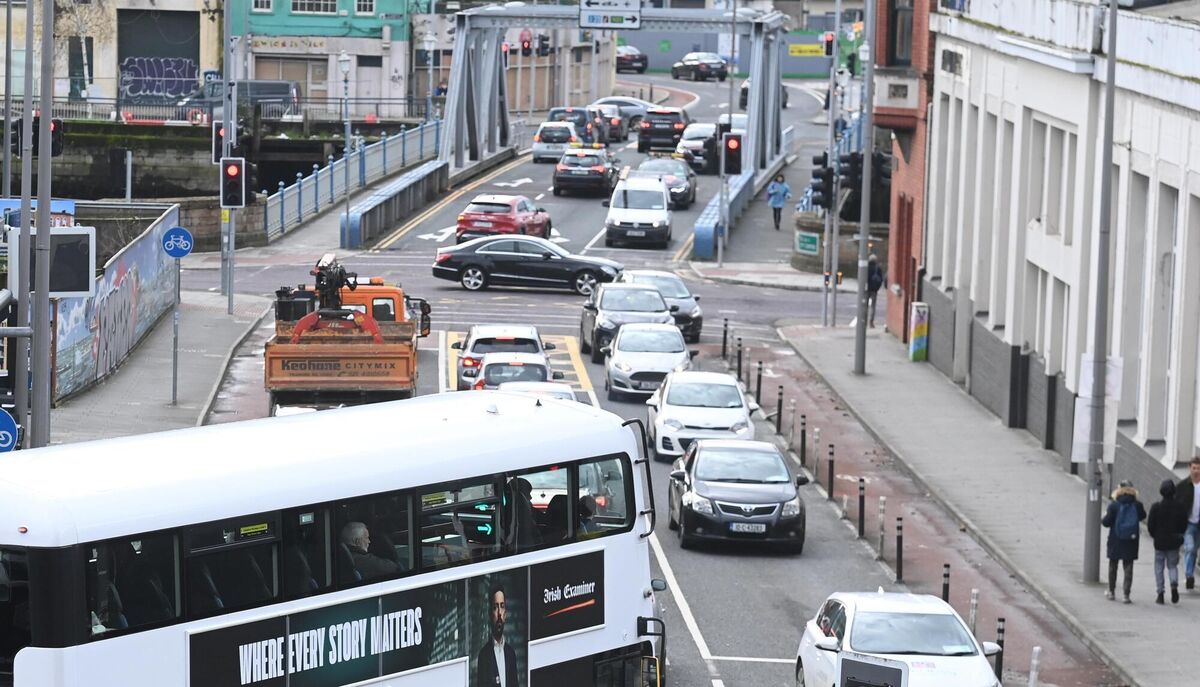
And it’s not just the numbers of cars on the roads that have exploded. Ireland is a European leader in its love for SUVs. The European Automobile Manufacturer’s Association report that just under 65% of all new passenger cars sold in Ireland in 2022 were SUVs, 13 percentage points higher than the European average.
Bigger heavier cars are a safety disaster for other drivers as well as cyclists and pedestrians. Think about the outcome of a supersized Land Rover sliding into the side of you on a wet highway compared to a similar incident with a Volkswagen Golf or a Fiat Panda. What are the chances of a small child on a bike being visible in front of a Range Rover at a close distance?
In the US, deaths in car crashes rose a third (33%) between 2011 and 2021 while pedestrian deaths have risen by 77% since 2010. Last year, the average weight of a new car in the US was more than 2,000kg — a full 450kg heavier than it was in 1980.
In France, where just over 45% of cars sold were SUVs in 2022, mayor of Paris, Anne Hidalgo is proposing tripling parking rates for SUVs in central Paris to €18 an hour, and €12 an hour for the rest of the city. The measure, which would include hybrids and electric vehicles over a certain weight — though with the exemption for Paris resident parking — would affect about a tenth (10%) of cars in the city.
Think about what a stiff parking fee like that would do to the number of Irish SUV drivers parking in Irish cities.
Two capital cities in Europe stand out for successfully slicing road fatalities in recent years. Both Oslo and Helsinki have followed a plan of cutting speed limits, changing street design, removing spaces for cars and generally making life harder for motorists.
And it’s working. After years of committed action, neither city recorded a single pedestrian fatality in 2019. Helsinki reduced deaths from an average of 20-30 per year in the 1990s. Oslo had no pedestrian or cyclist deaths in the city of 680,000 in 2019 and no children under 16 in traffic fatalities in the entire country.
What did these Nordic countries do to achieve these astounding results?
Christoffer Solstad Steen from Trygg Trafikk, a road safety organisation in Norway said that politicians in Oslo have chosen to make it more difficult to drive a car. Oslo set a target to reduce traffic by 30% by 2030. "It takes more time to drive from one part of the city to another and you have to pay money to use the road much more than you used to."
The measures taken include strict speed limits, an increase in tolls by 70% (resulting in a 6% decrease in traffic) the removal of thousands of car parking spaces, ‘heart zones’ around schools where traffic is banned, safety education in schools and national media, and better street design with separation of pedestrians and cyclists from cars.
These are rich pickings for policy makers in Ireland as plans for a major re-haul of public transport, cycling and pedestrian facilities forge ahead in Irish cities over the next decade.
"Building safer roads is the easy bit," said Steen. "It is more difficult to get people to understand that this is important and make them act in a secure way."
My brother escaped fatal injury by a whisker decades ago after colliding with a drunk driver on his bicycle. In 2023, almost 200 Irish citizens were not so lucky and sadly lost their lives on Irish roads.
Isn’t it time we caught up with best practice in Europe by tempering the Irish love affair with more and bigger cars and invoked a cultural change to insist that we all slow down and protect each other?
- Dr Catherine Conlon is a public health doctor with the HSE and former director of human health and nutrition, safefood.
CONNECT WITH US TODAY



Be the first to know the latest news and updates