John Gibbons: Neglect and vandalism of nature one of the State's greatest failures
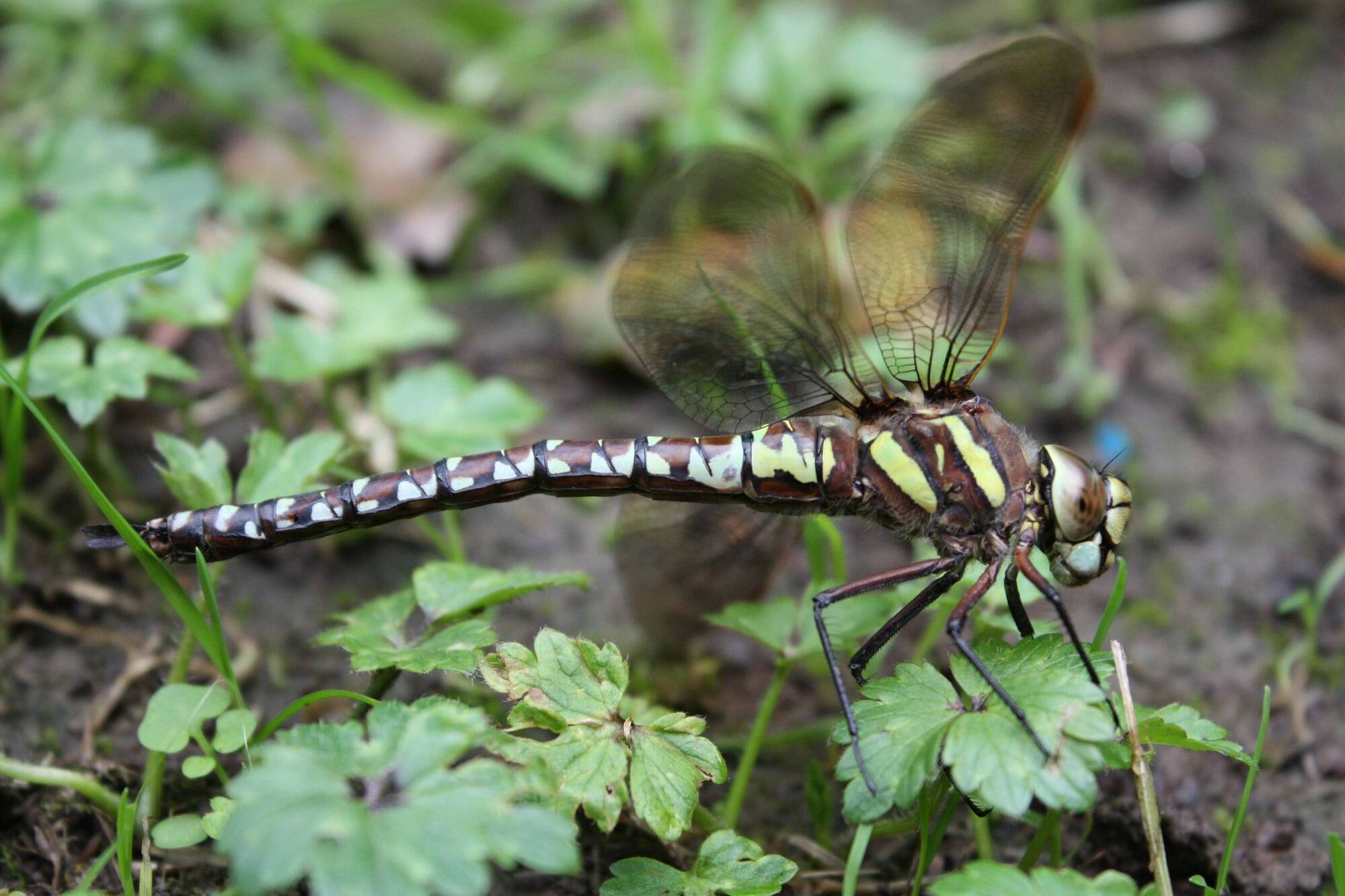
Nature and wildlife protection was starved of funding for over a decade to ensure it was incapable of effectively carrying out its job of protecting our natural heritage. Picture: Pat O'Connell
Many people were genuinely shocked this week to hear a legal team representing Ireland argue that the European Convention on Human Rights (ECHR) does not in fact guarantee the basic human right of access to a clean, healthy, sustainable environment.
You might well wonder who could possibly argue against such fundamental, inalienable human rights. The answer is the Irish State, acting under advice from the Attorney General’s office, which was one of only two countries to present a verbal argument rejecting these rights.
This astonishing intervention occurred during the so-called “Swiss grannies” case, where a group of women in their 70s have taken a case to the ECHR arguing that Switzerland’s failure to take adequate action on the climate emergency violates their human rights.
Consider that as recently as 2019, total funding available to the National Parks and Wildlife Service (NPWS) to manage and protect Ireland’s national parks and nature reserves was less than €14m. Divided over 26 counties, this amounted to a pittance, averaging at barely €500,000 per county.
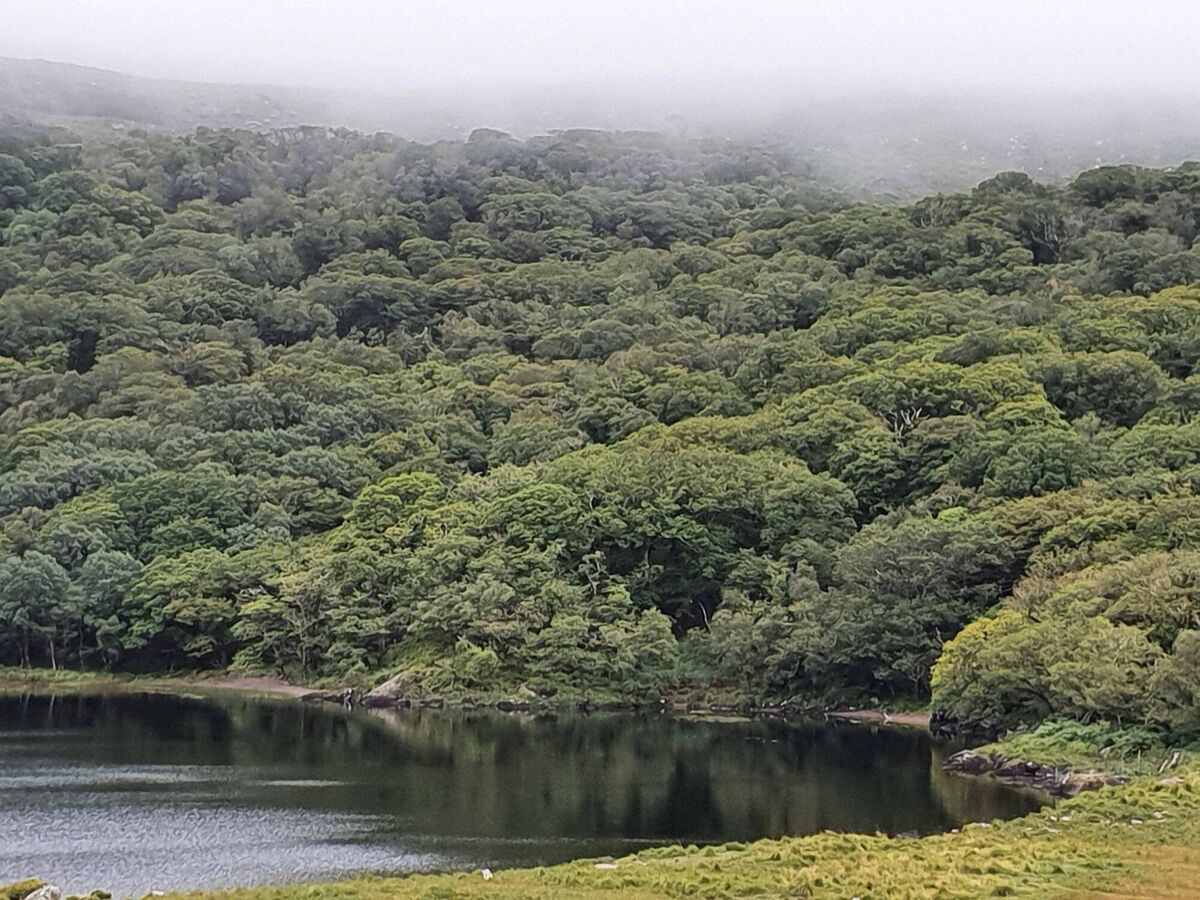
In 2008, the NPWS had a budget of nearly €50m, but under cover of austerity measures, this was cut by over two-thirds, while during the same period, funding for Bord Bia increased sharply, to assist in the marketing of Irish food overseas.
Funding for nature and wildlife protection has only recently been restored to 2008 levels at the insistence of the Green Party, but there is little doubt the service was starved of funding for over a decade to ensure it was incapable of effectively carrying out its job of protecting our natural heritage.
Lest you think this arose simply because the State had to make difficult decisions about spending, bear in mind that the €84m of taxpayers’ money poured into subsidising greyhound and horse racing in 2019 was six times larger than total spending that year on the NPWS.
It is no coincidence that Ireland’s biodiversity is now in dire condition, with 63% of our bird species in decline and less than 2% of our marine waters having any kind of protection.
The situation for our key wildlife habitats as identified in the EU’s habitats directive is equally depressing, with less than one in six in “favourable” condition. According to the Environmental Protection Agency (EPA), more than half of Ireland’s rivers, lakes and estuaries are now in poor condition.
The EPA drew attention to the “alarming” deterioration in water quality as a result of nitrogen and phosphorus run-off, mainly from intensive livestock agriculture.
“The State has fundamentally failed to protect nature, and one of the most worrying things about that is that it was the biggest transgressor of its own laws and EU laws”, Dr Ní Shúilleabháin noted.
Failure to act now, she added, and “we actually won’t have access to clean drinking water on this island”.
Early last year, EU Commission official Aurel Ciobanu-Dordea decried the “increasingly aggressive stance” being taken in Ireland against environmental defenders. He was particularly critical of calls by some politicians to de-fund environmental NGOs.
The thinly veiled contempt of many Irish politicians for nature protection was best articulated by then taoiseach Bertie Ahern, when in 2007 he expressed his frustration at delays in road-building projects “because of swans, snails and the occasional person hanging out of a tree”.
If anything, the anti-environmental rhetoric has gotten far uglier since then. In recent weeks, Independent TD Michael Fitzmaurice denounced a draft EPA scientific report on land use and forestry as “ethnic cleansing of the agricultural community”, with other rural TDs calling for the document to be “incinerated”.
Is it that Irish people simply don’t care about nature? The top three heritage and nature charities in the UK have a combined membership of about 7m people, that’s roughly one in nine of the total population. In Ireland, our top three equivalent charities have a total of about 30,000 members, or about one in 166 of our population.
Even allowing for some historical differences, it beggars belief that the average British person is 18 times more likely to support a nature charity than their Irish counterpart.
This abject neglect and vandalism of our priceless natural heritage is one of the greatest failures of the first century of Irish independence.
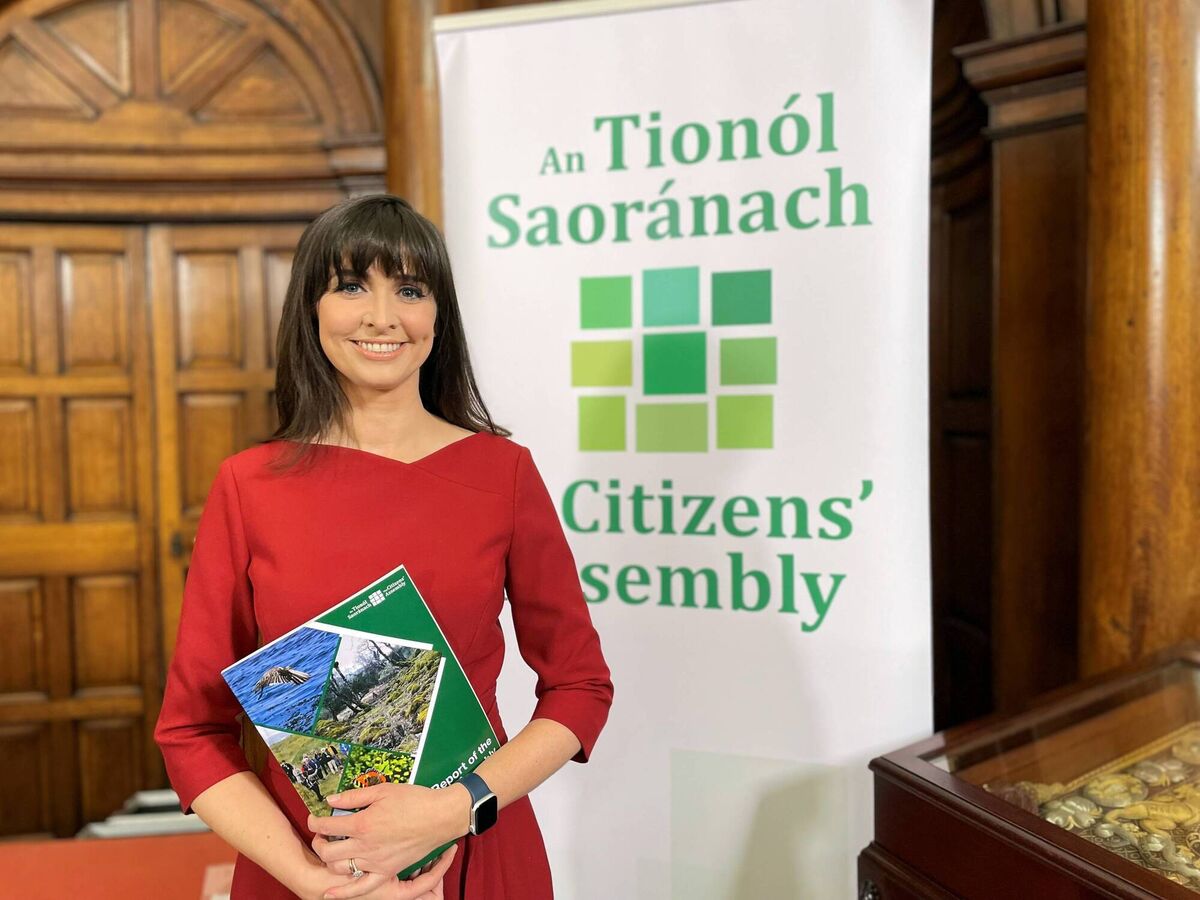
If we are to begin to reverse this disastrous trajectory, the first step is to take on board the Citizens Assembly recommendation and hold a referendum to amend our Constitution to give enforceable legal status to our right to a healthy natural environment — and the fundamental right for nature itself to simply exist.
- John Gibbons is an environmental journalist and commentator
CLIMATE & SUSTAINABILITY HUB
CONNECT WITH US TODAY



Be the first to know the latest news and updates