Challenges around infrastructure are finally being tackled
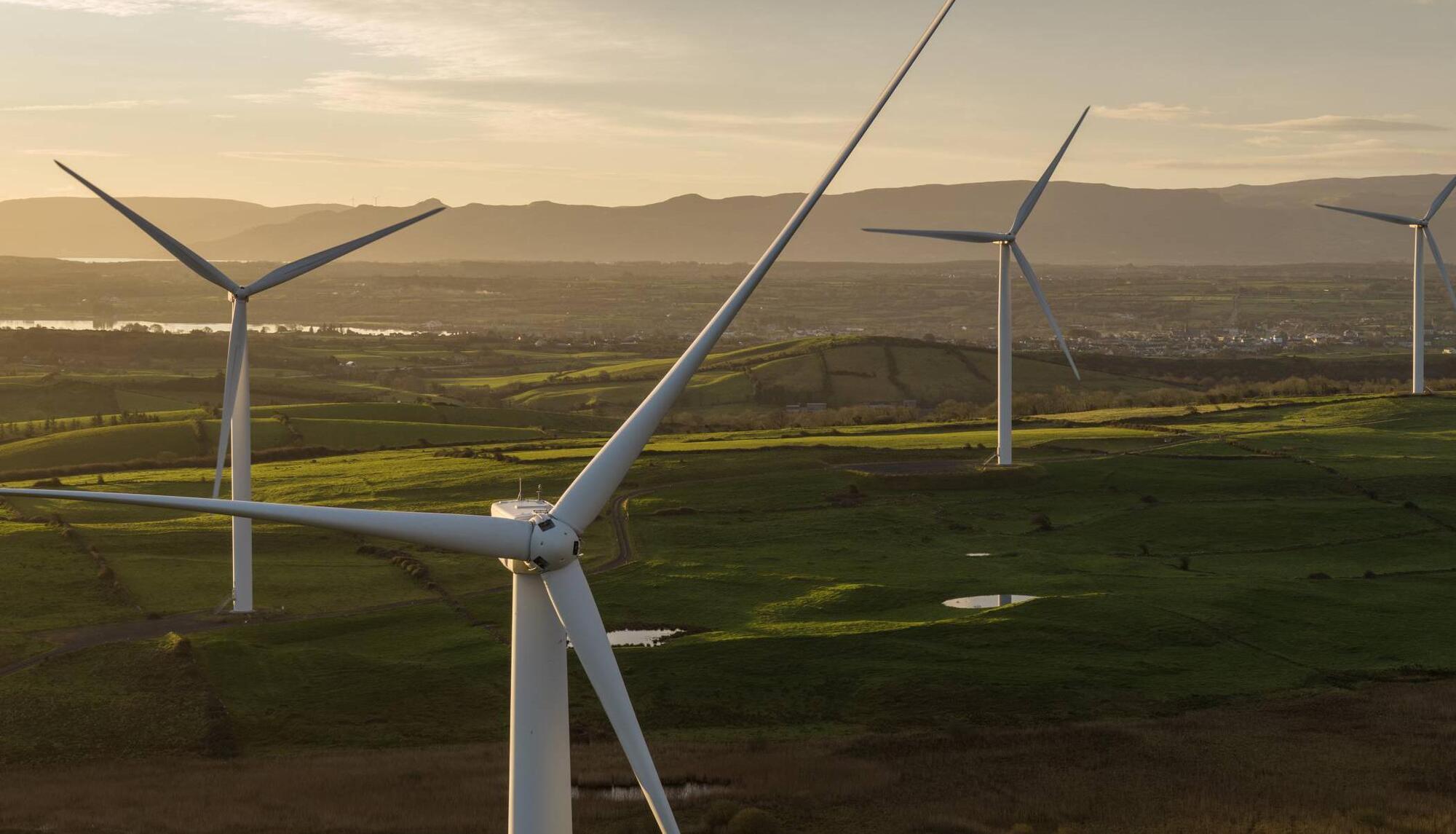
If this country is to achieve its climate targets, then every arm of the State needs to be pro-renewables and pro-delivery, instead of frustrating projects with procedural delays and backlogs.
The first step in solving any problem is to recognise and acknowledge the problem exists in the first place. That’s why the publication last week of a 140-page report by the Government’s Accelerating Infrastructure Taskforce felt like a significant moment.
For years and years, business leaders and industry experts have decried the myriad of challenges developers face in delivering infrastructure projects. At last, the Government is listening and seems determined to solve some of the main challenges.
The Accelerating Infrastructure Taskforce, made up of independent experts and led by former Glen Dimplex boss Sean O’Driscoll, was set up in May this year to pro-actively look at the barriers to delivering critical infrastructure.
Thankfully, this group has not produced yet another report full of recommendations that will never be implemented. Instead, the taskforce has published a detailed plan which sets out 30 headline actions that will be implemented over the coming years.
The key actions include a significant reform of the legal system to reduce incentives for judicial review actions, regulatory simplification, improved co-ordination between State agencies to speed up infrastructure delivery, and targeted measures to improve public acceptance of the benefits of critical infrastructure.
As someone who works in developing essential renewable energy projects across wind, solar and battery storage, I do welcome the plan set out by the Accelerating Infrastructure Taskforce.
There are a number of recommended actions in the report which caught my eye as standout reforms that will make a big difference. Firstly, and unsurprisingly, the commitment to reform the judicial review system and reduce incentives for excessive litigation is long-overdue.
If we can have a degree of certainty in the legal process whether it comes to costs or timelines, we can deliver the clean energy and other infrastructure Ireland needs to meet our climate targets.
Secondly, the commitment to legislate for a new critical infrastructure bill in 2026 is very welcome, which will oblige key State agencies to recognise and accelerate important projects through the planning, licensing and consenting stages.
This is particularly important when we look at how drawn-out and complex the consenting process has become for offshore wind or building new grid capacity.
Despite a clear Government target to radically cut emissions and have 80% of all electricity produced from renewable sources by 2030, many State agencies have become blockers of renewable energy for the most mundane reasons.
By way of example, the National Parks and Wildlife Service (NPWS) is one such agency which has become a major impediment to infrastructure delivery, delaying projects over compliance with individual directives rather than taking a holistic approach to considering the benefits of renewable energy.
An application to extend the planning permission of one of our wind farms in Co Cork, which has been operating successfully for 19 years, was recently rejected following an objection by NPWS over a technical environmental directive.
This is despite other wind farms being consented in the same area and the RED III Directive granting “overriding public interest” status to renewable energy projects.
Renewable energy is the foundation of the climate transition for every sector of the economy. If this country is to achieve its climate targets, then every arm of the State needs to be pro-renewables and pro-delivery, instead of frustrating projects with procedural delays and backlogs.
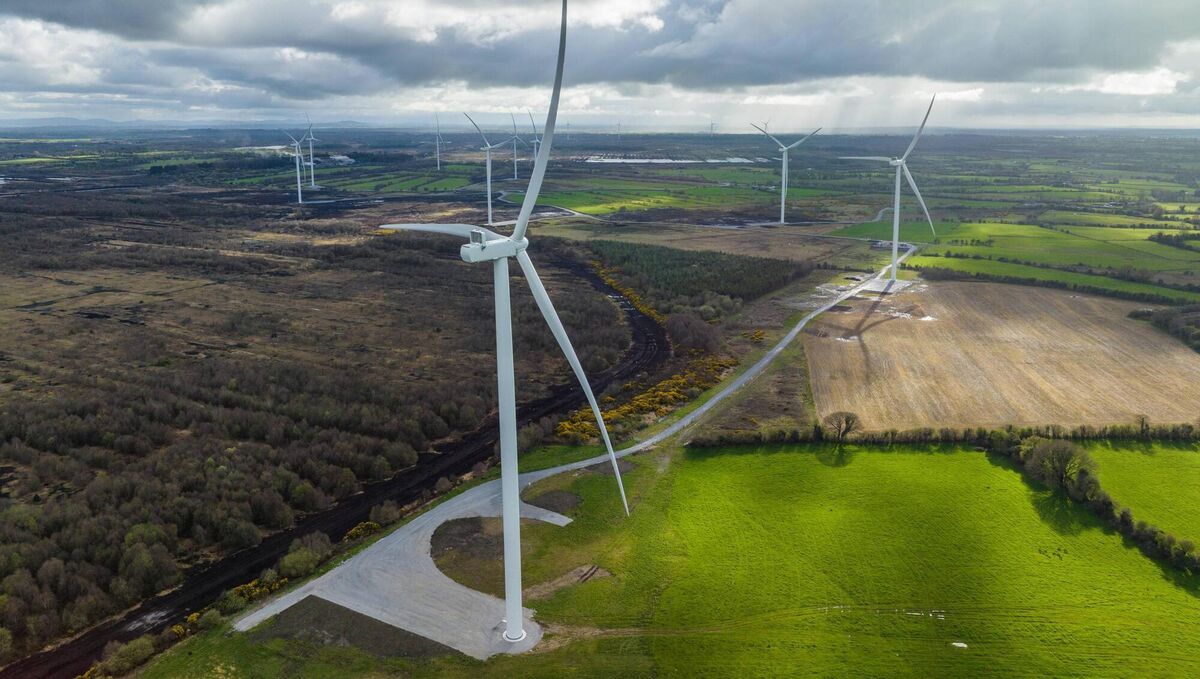
Thirdly, I’m also pleased to see a commitment to establish a regulatory simplification unit. This ties in with both of my previous points. Ireland’s consenting system has become so bogged down with regulation that requires a disproportionate level of assessments compared to other EU member states.
Reforming the system towards a much more targeted and proportionate approach will reduce the number of legal challenges, while simultaneously cutting the amount of regulatory hurdles projects need to clear with multiple State agencies. All of these actions combined should greatly improve the efficiency of infrastructure delivery in this country.
This may seem like a small point, but we need to greatly improve how we communicate the benefits of large infrastructure projects to local communities and indeed wider society.
At Statkraft, we see this challenge all the time. Despite broad political and policy support for renewable energy development as the key to achieving our climate targets, opposition to projects continues to manifest itself through misinformation and scaremongering.
Any move by Government to promote the tangible benefits of infrastructure delivery has to be welcomed. Regardless of the project, it is critical to have high-quality engagement and consultation with local communities and key stakeholders. This is something we firmly believe in Statkraft, and it is critical to creating a supportive environment for any infrastructure project.
Overall, there are 30 clear actions outlined in the Accelerating Infrastructure Taskforce report. Each and every one of them would be welcome changes that would enable faster decision-making and help speed up the delivery of critical infrastructure in this country.
The only question that remains is whether or not you believe our system of public servants and State agencies has the willingness and drive to implement this list of 30 actions. For the sake of Ireland’s ambitions to meet its climate targets, and for our future economic development, I certainly hope so.
- Kevin O’Donovan is managing director of Statkraft UK and Ireland
CLIMATE & SUSTAINABILITY HUB
CONNECT WITH US TODAY



Be the first to know the latest news and updates