Martin Warde: Let's hope rise in Travellers applying to become gardaí translates to jobs
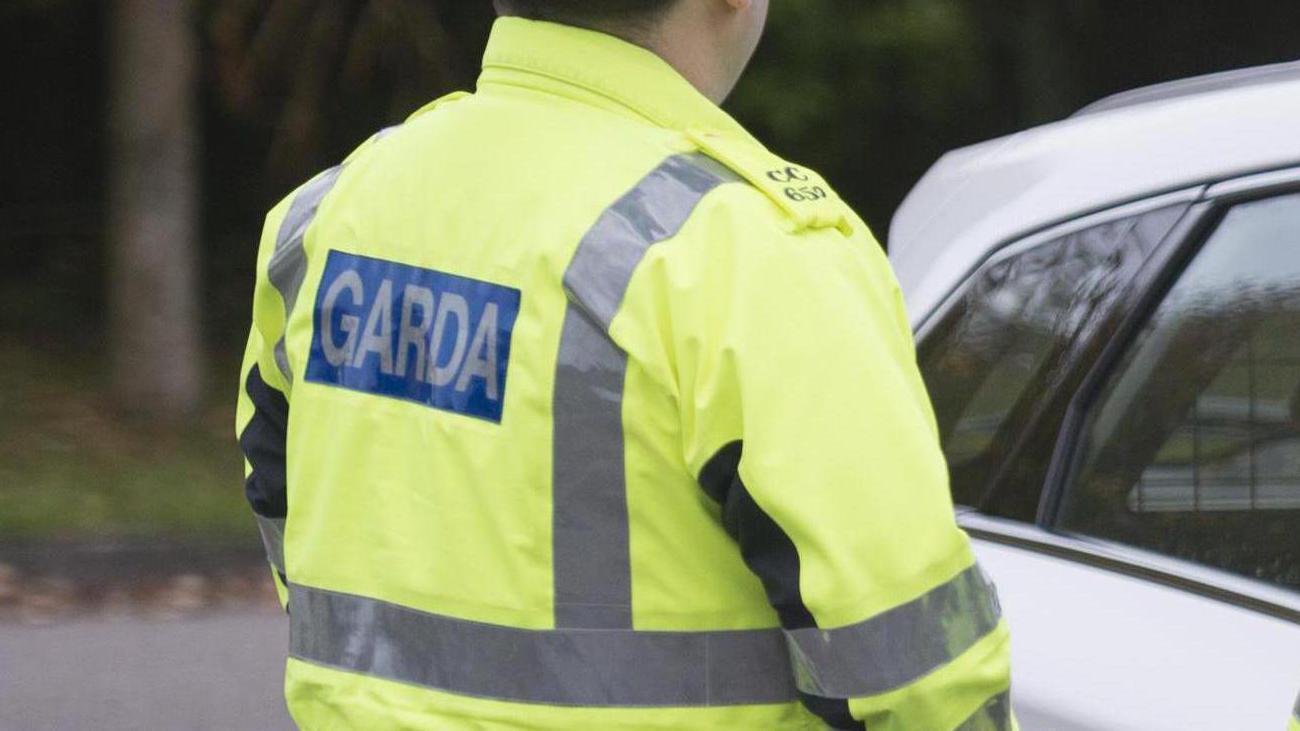
Having that personal connection with the next generation breaks down the invisible barriers between gardaí and the community that have existed for decades. File photo: Dan Linehan
Growing up in a small town in the West of Ireland, we rarely had anyone from our immediate friend group who spoke about their aspirations to be a garda. It was not something we ever envisioned we could do, and there was an element of feeling like a sell-out if one of us did.
That is just the reality of growing up in a working-class housing estate, and doubly so as a member of the Irish Traveller community.
There was always this 'us and them' mentality, and I am certain that the local gardaí were no different. Where did this divide come from? Was it from the fact that crime was sometimes committed by people from the working-class areas, which in turn meant that local gardaí only had dealings with local communities when it involved a crime?
From the perspective of the vast majority of working-class and Traveller people who didn’t commit a crime, this was not their opinion. We grew up witnessing countless politicians getting away with financial crimes and then later bankers who walked away from chaos without a blemish on their record.

This was a time before the drive from An Garda Siochána to get into the community more. It is fair then to assume that working-class people only had dealings with gardaí when there was a problem, and gardaí rarely had dealings with working-class people and Travellers that didn’t involve following up on a criminal issue.
From the outset, both groups of people were stacked opposed to each other by the virtue of their positioning in the community. That is not to say that working-class people and Travellers did not become gardaí; some did. However, they were and are in the minority in most cases.
At 37 years of age, I have yet to meet a garda of colour or a garda who was a non-national. That is not saying they don’t exist, it just means that not enough of them do.
Enter the ELOs, and no, they are not a Birmingham band from the 1970s. Ethnic Liaison officers are a division of An Garda Síochána (AGS) that deal with issues involving those with a minority background. The Community Liaison Officers are also some of the unacknowledged members of the force that do stellar work.
It was decided by AGS that the best way to police a community was by getting involved with the community. My local detective gives up his free time to train young boys in hurling, giving them lifts to matches and getting to know them. One detective has made sure that Traveller kids are included throughout.
This is the type of initiative that works in the long term. Having that personal connection with the next generation breaks down the invisible barriers that have existed for decades. Children are less likely to get involved in crime and more likely to become a member of the gardaí if they have positive role models that are willing to give them a chance.
Of course, poverty and social issues will always exist, and with them, crime. However, the best tool in policing is intelligence-gathering and co-operation from the community - what better way to do this then than to be visible in the community while being friendly and approachable?
Recently, on an episode of Claire Byrne Live, a young Traveller man from Galway spoke about his experience of applying to An Garda Siochána. He was on a programme aimed at giving internships to those from a diverse background. An initiative like this is amazing as it lets people experience life as a garda for a while. The intention then for most on completion of the programme is to become a recruit.
This young man failed the comprehensive background check and spoke about the fact that he himself had no criminal record or marks against him on the PULSE database. However, these background checks not only look at the applicant’s record, they also look at their family.
Given that the Traveller community is a small and connected group, it seems unfair to deny a young man the opportunity to make real and meaningful change because of the actions of another person. However, the rational part of my brain tells me that without these comprehensive background checks, there is a likelihood that criminal enterprises may be able to corrupt a garda that is related to them.
This does make sense and the security of society is paramount. A solution for this does not seem to be forthcoming and it would require a massive change to the security protocols within garda recruitment.
There is good news on the recruitment front . As reported by the last week, the most recent recruitment campaign for AGS shows that the numbers of applications from diverse backgrounds has increased from the last recruitment campaign of 2019.
Asian/Asian-Irish applications have gone from 75 to 388, Black/Black Irish rose from 31 to 155 and Irish Travellers saw applications rise from 14 to 44. Those figures are small when we look at the total number of applications; some 11,075 people applied this year, up from 5,197 in 2019.
Unfortunately, this recruitment drive will only see 800 new gardaí offered a role, which doesn’t change a lot in regard to active personnel given that as of March 2022 there are 417 fewer gardaí than there were on that date two years previously.
The interest is there, however, and the readiness to join the force is increasing, I just hope that the increase in interest from diverse backgrounds translates into an increase in employment offers for the same.