Do you have to be dying to be heard in Ireland?
Last Thursday morning, as we shoved empty cereal bowls into dishwashers, packed kids into cars, and trudged head-first into our daily commute, a single voice stopped this nation in its tracks, writes
Unrehearsed, with no agenda and absolutely nothing left to lose, mother-of-five Emma Mhic Mhathúna, aged 37, told us, in no uncertain terms, that she was dying.
In 2013, Emma had a cervical smear test done. The results told her she was healthy. She was not.
"I’m dying when I don’t need to die,” Emma told RTÉ’s Morning Ireland. “My children are going to be without me and I’m going to be without them. I tried to do everything right, you know, breastfeeding and being a full-time mum and sacrificing my own life for them. I didn’t see it as a sacrifice and now I’m going to miss out and I don’t even know if my little baby is going to remember me.”
Dear nation: When exactly are we going to wake up?
January 1984: Ann Lovett, aged 15 gives birth alone in a Longford grotto and dies shortly afterwards.
January 1985: Joanne Hayes, aged 26, is a witness in a tribunal set up to examine the Garda mishandling of the Kerry babies murder investigation. It, however, turned into the Joanne Hayes trial. She was cross-examined by multiple barristers for five days — the longest period a witness had ever been questioned in the history of the State. Ms Hayes was asked 2,000 questions, including when she lost her virginity.
October 2012: Savita Halappanavar, a nurse aged 31, dies of a septic miscarriage in Galway University Hospital.
April 2018: Vicky Phelan, a terminally ill mother-of-two, aged 43, reveals she was given incorrect smear test results in 2011. She was subsequently diagnosed with cervical cancer in 2014.
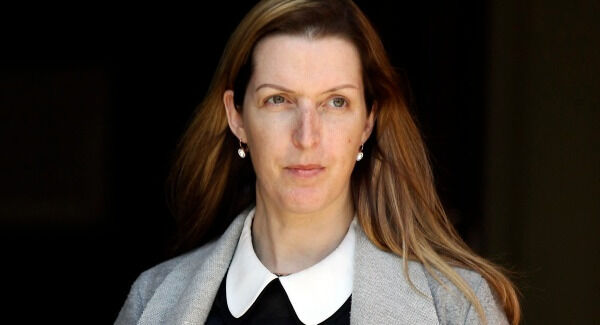
May 2018: Emma Mhic Mhathúna tells us that she too is dying.
Why is it that so many of the female names synonymous with social change in Ireland are all associated with pain, tragedy, and even death? These are not Mary Robinsons and ConstanceMarkieviczs. They never set out to be. These women were and are private citizens.
In October 2017, Pulp Fiction actor Uma Thurman was asked about reports of harassment and assault by men in Hollywood. Her restrained response went viral.
“I’ve learned that when I’ve spoken in anger I usually regret the way I express myself. So I’ve been waiting to feel less angry. And when I’m ready, I’ll say what I have to say."
Wronged women routinely censor themselves so as to avoid being labelled as angry. This censoring often extends to silence. And silence is exactly what the wrong-doer, or shirker of responsibility, wants.
If you deliver your point or testimony through rage, you run the risk of being dismissed, belittled, and branded as “extreme” or even a“fanatic”. All of which leads nicely to — not being listened to.
So just as Rory O’Neill, aka Panti Bliss, on the Abbey Theatre stage in February 2014, spoke of how gay people routinely censor and “check” themselves, women routinely silence themselves too.
But not Emma. She’s dying and she doesn’t care what you think. She doesn’t care if you label her as “shrill” or “outspoken” or “loud”, those tired, cliched adjectives typically thrown towards women whose voices we seek to silence.
Just last Thursday, outside Hodges Figgis on Dublin’s Dawson St, I came across a man in his early 60s, admonishing a member of staff. He was giving out about two books being displayed in the shop’s window. Both books had the words ‘EighthAmendment’ written on their covers.
“Please have them removed,” the man ordered, as he turned on his heel and walked back up the street to where his wife was waiting on the corner. As far as I’m aware, this man was neither a board member of nor a shareholder in this private entity. Yet, he assuredly demanded a silence of sorts.
A few minutes later, as I made my way towards Grafton St, I came across a young woman, in her early 20s maybe, handing out fliers to the evening's passers-by. Standing on her own, with an air of cautious reservation, she attempted to smile through her obvious anxiety as she held onto a batch of Together for Yes leaflets.
She stood there as if waiting to be pounced upon, but still, she stood there. Brave woman, I thought.
Nothing about the man outside Hodges Figgis struck me as brave.
In 1936, Maya Angelou the late poet and civil rights activist lost her voice for five whole years. She was eight.
She silenced herself because she thought her voice had killed a man, her mother’s boyfriend, who had raped her, as covered in stark detail in her autobiography, I Know Why the Caged Bird Sings.
She testified against him in his trial and he was convicted and sentenced, but released from jail.
Four days later, he was found dead, presumed murdered. Maya eventually found her voice again in 1941 and put it to good use until her death in 2014.
Just like Maya, Emma MhicMhathúna is putting her voice to good use before her death.
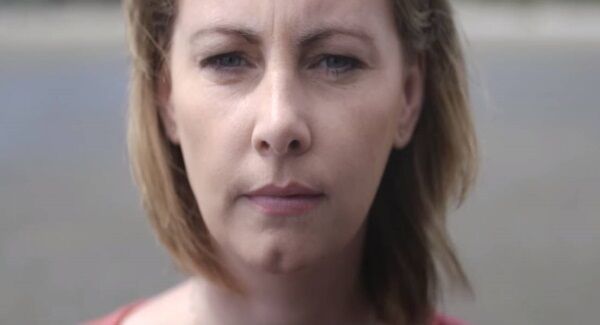
But she shouldn’t have to. Firstly, she should not be dying. And secondly, it shouldn’t take a grown woman crying on our national airwaves, announcing her imminent death, to make us listen.
Did anyone listen to Ann Lovett? Several witnesses, with corroborating evidence, say she wrote two letters. One of these is claimed to have been burned and its existence subsequently denied. Ann Lovett, silenced, even in death.
Savita Halappanavar asked repeatedly for a termination of pregnancy in the days before her death. The requests were denied because doctors could still detect a foetal heartbeat.
To this day, despite her husband’s and father’s own testimonies, some people will deny Savita the dignity of her own truth, even in death.
So what of Vicky and Emma? Will we listen now? Is this what it takes for us to listen in this country without judgement and shame? Do you physically have to be dying in order to be heard?
CONNECT WITH US TODAY



Be the first to know the latest news and updates