Ictu fears a race to the bottom
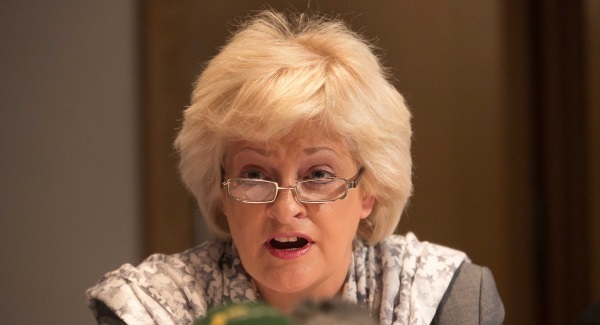
The dilution of employment laws because of Brexit may force employers here to cut wages and work standards and lead to a race to the bottom, Ictu’s Patricia King has warned.
Ms King said she had told the Government of concerns that Brexit would dilute working standards once Britain repeals EU laws protecting workers.
In an interview with the Irish Examiner, Ms King said Britain would repeal EU employment laws, a move which may remove rights such as maternity and paternal leave and equal pay.
Such actions may force employers here to dilute working arrangements to stay competitive, Ictu fear. Any post-Brexit deals must protect workers, argued Ms King.
“The big repeal bill and destructing all of the European legislation would in effect mean that the UK would be empowered to set up their worker employment legislation.
“If the UK go into a place where they in some way dilute terms and conditions that had been applied by Europe… Whatever the trading relationship, employers are very conscious of the costs and labour costs in one jurisdiction.
“Of course you can get into a space where employers, I’ve heard some contributors [here] where they are already doing it, saying ‘Wage rates are such in the UK, we can’t be uncompetitive, so we have to start doing what the UK do’.”
Only this week, the Scottish parliament held a debate about the potential of Brexit to weaken employment laws there, including concerns about the erosion of rights there.
Other key workers rights and obligations partially derived from EU directives include protections for agency workers, health and safety laws as well as working time laws.
Ictu say changes to employment rights in Britain and the North would place downward pressure on workers protections across the island. Ictu’s sister organisation in Britain, the Trades Union Congress, has equally warned of workers rights being dropped.
Ms King explained she had met Foreign Affairs Minister Charlie Flanagan days after the British voted to leave the EU and expressed fears about employment laws.
Any dilution of employment protections could alter working conditions in the North while across the border, in towns such as Dundalk, employers may want to then lower costs or erode conditions in order to stay competitive, ICTU warn.
Ms King added: “Where you get a push from employers where their trading relationship now is with a particular country, who are not part of the EU, who are not bound by the same rules and regulations, who are now deciding that they will have their own rules and regulations. That therefore brings down their labour costs, brings down their labour standards.”
Ms King did not identify companies or individuals who she claimed may reduce wages or work standards. But she said that any negotiations on Brexit with Britain or the EU must include a special clause or agreement protecting working conditions going forward.
“We are saying to the Irish Government here, in terms of the Republic of Ireland, you cannot allow a situation to be constructed whereby the trading relationship with the nearest neighbour then becomes the instrument for this.
“And you are going to have to, as part of the negotiations, are going to have to make it clear that that can’t happen,” explained Ms King.
The Department of Jobs said Jobs Minister Mary Mitchell O’Connor was “very aware of concerns that arise from potential UK freedom to lessen employment rights for their workers”.
Ibec has echoed the potential that Irish business could be put at a competitive disadvantage by virtue of a UK government choosing to pursue a deregulatory path by repealing EU guaranteed social rights for its own workers, the department said, adding:
“There is no evidence that the UK would take such an approach. There are many examples currently where UK social protections are above the minimum required by EU membership.
“The terms of any future EU/UK trading relationship will likely dictate what provisions of EU law the UK will nonetheless still comply with.”