No stranger to controversy, FBI chief James Comey strikes again
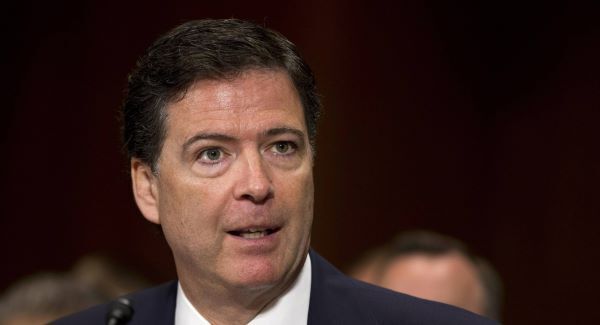
FBI director James Comey’s announcement that his bureau was reviewing new emails possibly relevant to Democratic presidential candidate Hillary Clinton’s private email server investigation has thrust him into the public spotlight again just days before election day.
Comey said in a letter to the US Congress that the FBI had uncovered email messages in an unrelated case and would determine if they were classified. The surprise disclosure was seized upon by eager Republicans while drawing criticism from Ms Clinton’s supporters, who said the lack of detail could unfairly sway the election.
Comey acknowledged later that he faced a “significant risk of being misunderstood.”
He told FBI employees the bureau did not yet know the significance of the emails but that he felt obligated to disclose the information.
The 55-year-old former Republican was nominated by President Barack Obama for the FBI post in 2013. Praised for his independence and integrity, Comey has spent three decades in law enforcement and has been no stranger to controversy.
He opposed secret spy programme in a standoff with Bush officials
Comey is perhaps best known for a remarkable 2004 standoff with leading officials in the George W Bush administration over a federal domestic surveillance programme.

As the deputy attorney general, Comey rushed to the hospital bed of Attorney General John Ashcroft to physically stop White House officials in their bid to get his ailing boss to reauthorise a secret no-warrant wiretapping programme.
Comey described the incident in 2007 testimony to US Congress, explaining that he believed the spy programme put in place after the September 11, 2001, terror attacks to be legally questionable.
When he learned that Andrew Card, the president’s chief of staff, and Alberto Gonzales, the White House counsel, were heading to Ashcroft’s hospital room despite his wife’s instructions that there be no visitors, Comey told Congress, Comey beat them there and watched as Ashcroft turned them away.
“That night was probably the most difficult night of my professional life,” Comey said.
Publicly disagreed with Obama administration over police conduct
Comey irritated Obama officials after he suggested last year that increases in violent crime across the country could be fuelled in part by anxiety among law enforcement officers who increasingly fear being recorded by citizens.

Reiterating that view in May, Comey said officers may hesitate to get out of their patrol vehicles to interact with people. His comments came in the wake of episodes of police violence, several against black Americans, that spurred outcry and in some cases riots.
“I’m not against videotaping police, I’m not against scrutiny. We get better that way,” Comey said. “What I’m asking is, is there something unintentional affecting our communities that is contributing to the spike in violent crime?”
That position put him at odds with his boss, Attorney General Loretta Lynch, as well as the White House, which said the remarks lacked evidence and could undermine their efforts to revamp the criminal justice system.
Angered tech industry over access to terror suspect’s iPhone
The FBI director clashed with the technology industry in a legal battle over access to the work-issued iPhone of San Bernardino shooter Syed Farook.

As the public face of the US federal government, Comey went to court earlier this year to force Apple to help it open the locked iPhone by Farook after the California attack last December, which killed 14 people. Farook and his wife died in a gun battle with police.
Apple accused the US government of seeking “dangerous power”, a high-stakes dispute pitting national security against digital privacy. Comey said the issue was the “hardest question I’ve seen in government.”
A federal magistrate granted Comey’s request, but the court fight ended weeks later when an unidentified third party came forward with a solution to access the device.
Declined to recommend charges over Clinton emails
Prior to last Friday’s announcement, Comey had received criticism from both parties over the FBI’s handling of the year-long investigation into Ms Clinton’s email account as secretary of state.

Comey announced in July that the FBI was recommending no criminal charges for Clinton’s handling of highly classified material in a private email account. That drew the dismay of Republicans in a presidential election year, who said the FBI director may have unnecessarily rushed a decision without a more complete airing of the evidence.
Comey also harshly criticised Ms Clinton’s “extremely careless” behaviour, irritating Democrats who said the comments were unwarranted since she was not being charged.
The FBI director’s decision came after his boss, Attorney General Lynch, said she would accept whatever findings Comey presented to her. Lynch herself had been criticised for an impromptu meeting with former US president Bill Clinton on her airplane in Phoenix that she acknowledged had led to questions about the neutrality of the investigation.