‘Cancer gap must be an election issue’
The Irish Cancer Society wants voters to tell general election candidates to close the ‘cancer gap’ between rich and poor.
‘Cancer gap must be an election issue’

The ‘cancer gap’ describes how the place where you live affects whether you will survive or die from cancer and the Irish Cancer Society wants reform.

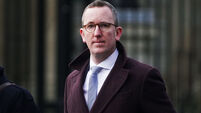
Donal Buggy, the society’s head of advocacy and services, said death rates from cancer in the poorest parts of Dublin were twice as high as rates in more affluent areas.


“Inequalities exist at every step of the cancer journey and people from disadvantaged backgrounds have fewer GPs in their area, wait longer for vital tests for cancer, and are less able to cope with the cost of cancer,” he said.

On World Cancer Day, which was yesterday, the society highlighted changes that can be made in three key areas, so everyone has an equal opportunity to live a healthy life.

Political candidates should commit to tackling waiting times for vital cancer diagnostics and to introducing universal health care.

They should promise that medical cards will be given to people when they are diagnosed with cancer; the prescription charge is abolished, and the drugs payment scheme threshold is reduced to €85.

Candidates should also commit to having the new National Cancer Strategy implemented, screening programmes extended, and a cabinet sub-committee on health inequalities established.

The society has a dedicated general-election webpage, at www.cancer.ie/cancer-gap, so people can email candidates and hand them a canvass card when they call to their door.

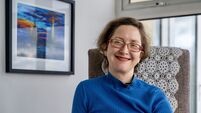
Prof Seamus O’Reilly, a consultant medical oncologist at Cork-Mercy and South Infirmary Victoria University hospitals, said obesity had become the biggest risk factor for cancer.

“The heavier you are, the more likely you are to develop a malignancy,” said Prof O’Reilly, who pointed out that 15% to 20% of cancers currently diagnosed in Ireland were obesity-related.

“We are now in the obesity and cancer century, having left the tobacco and cancer century,” he said, during an interview on RTÉ radio yesterday.

Prof O’Reilly said improvements in cancer survival over the last 20 years were due to a combination of better treatment, better integration of services, and the development of screening.

But, he said, the poorer people were the more likely they were to be in a group with no access to care.

National Cancer Registry data on the impact of socio-economic status on cancer outcome was “dramatic”, in terms of reduced cancer mortality in wealthier people and higher morbidity and mortality in poorer people, he said.

However, Prof O’Reilly said most of his patients had been cured of cancer — that was not the case 20 to 30 years ago.

Treatments were also getting better for those who could not be cured — many were living longer, he said.

Meanwhile, the HSE has confirmed that 900 cases of cancer are caused by alcohol every year, with 500 deaths.

The society reminded everyone on World Cancer Day that while there is no safe, lower alcohol-consumption limit, the cancer risk can be greatly reduced by drinking less.

Alcohol is known to cause seven cancers, but they can take many years to develop, so the effect of drinking today will not be seen until well into the future.

For more election news, analysis and general banter join us HERE

x

More in this section

Revoiced

Newsletter

Had a busy week? Sign up for some of the best reads from the week gone by. Selected just for you.

Cookie Policy Privacy Policy Brand Safety FAQ Help Contact Us Terms and Conditions

© Examiner Echo Group Limited