Underfunded HSE to play key role in election as lack of funds spells trouble for Coalition
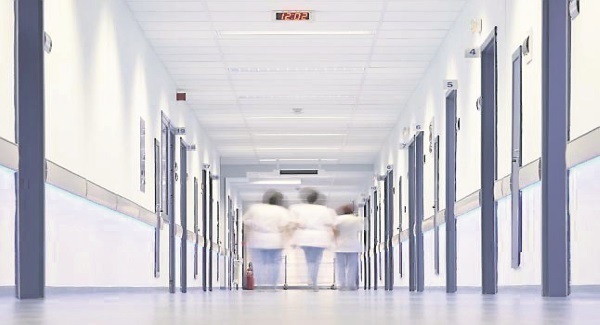
Despite Government claims that the health service can cope, the lack of money available to it next year threatens to damage the Coalition bid to emphasise the recovery, says Political Reporter Fiachra Ó Cionnaith

Underfunded HSE to play key role in election as lack of funds spells trouble for Coalition

The Coalition is pushing a loaves and fishes tale about how the health service will be able to maintain and expand services with the funds it has been given next year — but the reality is far less palatable than the Government wants to admit.

And with a general election just around the corner, the possibility of services being deferred or cut “as a last resort” over the coming 12 months is the last thing Fine Gael and Labour strategists need to hear.

On Wednesday, after weeks of delays caused by concern over the stark financial warnings it contained, Health Minister Leo Varadkar and HSE director general Tony O’Brien published the health system’s service plan for next year.

The document, which explains exactly how the system will spend taxpayers’ money, says that while the HSE has been given an extra €817m boost over the next 12 months, €720m of this figure has either already been spent on shoring up the system in 2015, or is ring-fenced for continuing existing services — meaning there is just €97m for changes.

It said the hospital system is already €100m under-budget for next year before we even reach January; €30m in staff pay increments have “not been funded”; money available for hi-tech drugs will not stretch far enough; and last-minute Cabinet medical card changes — for political reasons — mean the system has had to rearrange the deckchairs to find another €30m in available funds.

And, to make matters even worse, new EU rules mean the health service will not be able to rely on a supplementary budget to get it through the crisis in 2016 — a get-out-of-jail clause which has seen the system given over €3bn in top-ups since 2009, including more than €660m this year alone.

When asked at the launch of the report how the system will be able to cope with the pressures bearing down on it and look after patients dependent on receiving life-saving help in a timely fashion, Mr Varadkar put on a brave face and insisted all is not as bad as it seems.

He said he is “not contemplating any cuts” and used a lengthy press statement announcing the plans to list a series of promises set to come on stream next year, including the still-to-be-agreed free GP care for under-12s; planning permission for the long-delayed new children’s hospital in February, and €10m extra for cancer services.

The minister re-emphasised that he believes “it is always possible to live within budgetary constraints” — a position HSE director general Mr O’Brien has reluctantly followed, despite saying the system is facing “substantial financial risks” and may need to cut services “as a last resort”.

However, the reality — clearly stated in the report — is that the lack of funds and the even starker lack of a supplementary budget next year spells trouble for the system, with no loaves- and-fishes recovery on the cards.

Due to the fact that the HSE can no longer rely on a supplementary budget to shore up funding gaps later in the year, should the system fail to come within budget, as widely expected, it will have to choose between cuts to services; deferring new programmes; new taxes; borrowing money from other departments; or taking funds from its 2017 allocation.

Speaking last week to the Irish Examiner, a senior Department of Public Expenditure and Reform spokesman confirmed that, in recent years, the least controversial of these measures — borrowing money from other departments which have underspent — would not come close to covering the HSE’s repeated overspends. It means this is unlikely to be a solution to what is coming down the tracks next year.

Similarly, taking funds from 2017 will simply delay the problem — an issue which has helped cause the financial issue in the first place — leaving just cuts, new taxes, or deferring services as possibilities.

Mr Varadkar specifically ruled out cuts at the launch of the report on Wednesday, despite the fact it is unclear how existing funds can be stretched to cover increasing demand on services, but noted that “deferring” services could become a reality if it is required.

However, responding to the document earlier this week, Fianna Fáil leader Micheál Martin made it clear he considers that “moving things around is cuts” and said the Coalition “has to be honest” that “because of this health budget, health will be the big story of 2016”.

It doesn’t fit the Government’s narrative, but with Opposition parties going on the attack in the coming weeks, it can be guaranteed that a desperately under-funded health service facing potential cuts and deferred services next year is set to play a key role as election fever takes hold.

x

More in this section

Revoiced

Newsletter

Had a busy week? Sign up for some of the best reads from the week gone by. Selected just for you.

Cookie Policy Privacy Policy Brand Safety FAQ Help Contact Us Terms and Conditions

© Examiner Echo Group Limited