Honesty in politics is the healthier option in the long run
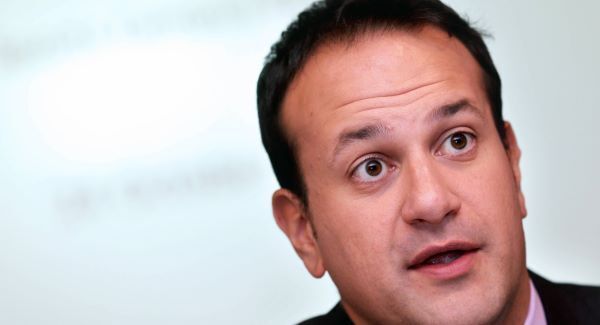
The first question I always get asked is: “Do you like being minister for health?” The truth is that, no matter how big the problems, no matter how great the criticisms, I love the challenge of trying to improve our health services, and the responsibility for protecting and caring for the health of all our citizens.
There is no point being in politics if you only want the easy jobs, and there are few harder jobs — or more rewarding ones — than health. I have been very lucky to work alongside Kathleen Lynch, one of the hardest-working politicians around, and her passion and energy have made a considerable difference to how we approach issues such as mental health. I value her advice greatly.
All that said, it has been a demanding seven months in the job so far. Four years of cuts under the last government took their toll, and the three years of difficult budget freeze under this Government has made this a trying time for those who are sick or on waiting lists. Even today, our spending is €1.5bn less than it was in 2008, and we have 15,000 fewer staff. The reason why things aren’t worse is because we have become more efficient. Today there are more day surgeries and reduced lengths of stay, and everyone is working harder, often doing much longer hours for less pay. But there is only so much of this that can happen before people become exhausted and we reach our limits. The time for reinvestment and expanding services to meet rising demand has come. This Government recognises what needs to be done, and this year we achieved the first modest increase in health funding in seven years.
We can’t solve everything, but we can prioritise certain things, so that we can make noticeable improvements in the quality of people’s healthcare. That is why, at the start of the year, I set out some key targets that we are confident we will achieve. These revolve around five main themes:
Improving Ireland’s health, recognising that as we improve our public health and wellbeing everything else becomes easier to achieve and we realise key benefits;
Ensuring better outcomes for patients and strengthening patient safety;
Modernising health infrastructure, including buildings and ICT;
Building a system of universal health care, to improve access for everyone to all of our health services;
Developing innovative funding models.
In recent weeks, we have addressed the fact that Ireland has an unhealthy drinking culture, and we are preparing legislation to tackle problem drinking. Next on the list is combating smoking and obesity. We are pressing ahead with plans to provide calorie content for all meals in restaurants, take-aways and public places. We do not want to become a nanny state, but we do want to be a responsible state, and that means being honest with people about the risks involved with certain kinds of activity. It won’t always be popular, but it will save lives.
There are other areas as well that will make a considerable difference to creating a healthy Ireland. I want to reduce the cost of certain medicines, and ensure that our people are not exploited when they are sick.
I want to improve outcomes for patients, so that we can reduce the number of beds being held up because of delayed discharges, and so address the issue of patients on trolleys for more than nine hours. We have been working overtime on this matter since the start of the year, with daily teleconferences among key officials and meetings of the Emergency Department Taskforce.
Last year, we provided extra funding for the Fair Deal nursing home scheme to free up hospital beds. In January, 500 transitional care beds were funded in private nursing homes to address the overcrowding, with a further 250 opened during February. A further 173 short-stay public beds are being opened across the country to cope with rising demand from the flu virus.
Ms Lynch and I are also determined that 2015 will see significant improvements in access to primary care. The most important part of that is GP care without fees for the under-sixes and over-70s, and talks are progressing well with the IMO. Ms Lynch is overseeing the provision of new primary care centres, with one opening every month on average. This year, new primary care centres will open in Charleville, Wicklow, Monasterevin, and Ballyshannon, among others.
We are ambitious for the future of this country, and we have ambitious plans to create a new medical infrastructure. The new children’s hospital is something that has been promised for decades, and site works can begin by the end of the year. We will begin work on the new mental health campus, and we are close to submitting planning for the new national maternity hospital.
So can we afford to be optimistic about the future? The good news is that the recovery is spreading and, due to the sacrifices of the Irish people, things are starting to get better, even if it might be a while before everyone feels it. We have created 80,000 jobs, and we want to create 40,000 more this year so we can achieve full employment by 2018.
We all benefit from job creation, because more jobs means more revenue for better services, and that also benefits Health. Employment is growing in all regions of the country but the pace of growth has been faster in some areas than in others. Last week, we launched the Regional Action Plan for Jobs, a five-year, €250m strategy aimed at accelerating the jobs recovery in every part of the country. This year we want to make sure that the benefits of the recovery reach into every home in Ireland.
However, we must not become complacent. Our return to prosperity is fragile, and can be undermined by political instability and a fracturing of political vision. The loud voices in Sinn Féin and on the independent benches promise easy solutions, but we have been fooled too many times before by false prophets. Honesty is not always easy in politics, but it is certainly healthier in the long run.
READ NEXT: Review of Small Primary Schools: Empty desks no longer a threat