Pupils and teachers feel the squeeze
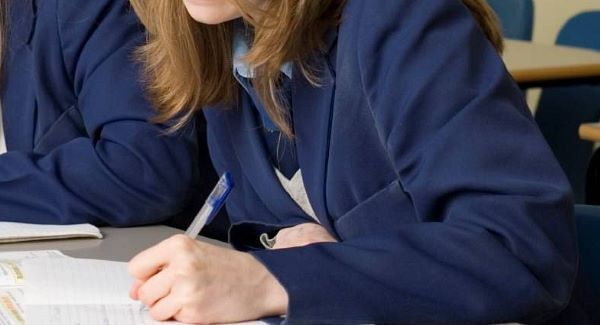
THE protection of class sizes may be heralded as a success for Ruairi Quinn but with more than 30 children being taught in six of its 10 classes, Budget 2014 is no reason to celebrate at Ballybrown National School.

Pupils and teachers feel the squeeze

As principal at the school near Patrickswell on the outskirts of Limerick City, Joe Lyons acknowledges another hit to staffing schedules would have been his nightmare scenario for staff and pupils.

“We have 35 in one class this year, because kids simply don’t arrive in the same numbers every year. The really bright children can get on in any class but there’s less individual attention for weaker children,” he said.

But despite the so-called reprieve on class sizes, with more cuts to his school’s budget, continuing restrictions on special needs staffing, and struggles to fund repairs of IT equipment and the school building, it’s difficult to effectively lead teaching of literacy, numeracy, and other areas of government policy focus.

“Teachers are taking on board the whole emphasis on maths and science, but you just can’t do active learning and group learning properly in a class of over 30,” said Mr Lyons.

The preservation of staffing will at least be good news for the teacher who started at the school last month, meaning her job there is good for another year, but there won’t be enough new pupils to appoint another class teacher.

Mr Lyons said he will discuss with parents whether a book rental scheme should be set up under an initiative announced by Mr Quinn yesterday. But the principal is cautious about the issue, saying there is a lot of organisation and expense involved in setting up a scheme, and many books are obsolete within a couple of years because of new editions or curriculum changes.

The capitation grant with which the school must pay its bills and buy education materials has already fallen from about €47,000 in 2010 to €44,000 despite a rise in enrolments. Like all other schools, its minor works grant — worth around €10,000 a year to 270-pupil Ballybrown NS — has not been paid for a number of years, meaning the capitation money has to fund running repairs instead.

In Budget 2014, the capitation grant has — as flagged in Mr Quinn’s first budget as education minister two years ago — been cut another 1%, on top of a 4% drop over the last two years.

“We probably spend €10,000 a year on heating oil alone, and that’s not getting cheaper,” said Mr Lyons.

“Our insurance is around €6,500 and that’s going up all the time, then we pay water charges, have to get our septic tank emptied twice a year and there are things like toilet products and cleaning bills all the time.”

The restrictions on this budget mean there is little or nothing left for classroom resources, except for the generous donations raised by the life-blood of most schools’ bank balances — the local parents’ association.

“Ruairi Quinn introduced the literacy and numeracy initiative [in 2011] and there was a huge emphasis on assessing children’s progress. But you have to buy the testing material, and we’ve been extremely lucky that our parents’ association has provided us with money for it,” said Mr Lyons.

“They raised around €2,500 last year, it helps to install interactive whiteboards and buy a lot of testing material, all things we should be able to get with our funding from the department but we can’t afford to.”

While the money parents diligently bring in yearly can add to materials, it can’t buy the staff needed, particularly for children with special needs.

Like hundreds of schools around the country, fewer special needs staff here work with more children. This year, the school has two full-time special needs assistants (SNAs) assigned to work with at least seven pupils, but it had three full-time and one part-time SNA last year to work with nine children.

“Children have different needs and they can always change, but we have previously had a child diagnosed during the year and we are simply told they can have access to an SNA but no extra SNA support is given to the school.”

While the minor works grant has restricted access to funds for building repairs, the ability to take full advantage of new technology is also hampered. The school is struggling to fund running repairs on IT equipment, with a €200 upfront fee and around €100-an-hour labour costs in prospect if repairs are to be done on an interactive whiteboard bought with a 2009 technology grant.

“There’s no funding for maintaining IT, it amounts to a serious financial drain. And on top of that, many older computers are not powerful enough to run new software,” said Mr Lyons.

“I’m tired of hearing people talking about building a smart economy, we haven’t had an IT grant for four years. We’re lucky that most children here probably have music players and laptops at home, there’s hardly any money being put into schools to provide IT for learning.”

x

More in this section

Revoiced

Newsletter

Sign up to the best reads of the week from irishexaminer.com selected just for you.

Cookie Policy Privacy Policy Brand Safety FAQ Help Contact Us Terms and Conditions

© Examiner Echo Group Limited