Sarah Harte: Belle Burden and I both 'let things happen' — we should have taken Gloria Steinem's advice
If society benefits economically from raising children, why is the unpaid parent treated as economically unproductive?

I discovered a show on Netflix called . An edition with Gloria Steinem has been released after her death last week. The format is very moving: after an interview, the lights go down on the interviewee as they sit alone in a studio and give us their last words. The footage is released posthumously. Well worth a watch. I got a lump in my throat.
Steinem, who was born in 1934, became synonymous with the women’s movement. Several photographs show her in her glamorous 1970s' gear, with her signature aviator glasses. She was criticised for being attractive and helping to popularise feminism because of her glamour.
She was a Marmite character, with social conservatives hating her provocative stance on abortion and traditional family structures. By choice, she never had children.
There are so many quotes from Steinem, but one line in a 2011 interview stands out. "I wasn’t going to let things happen to me." If we bring things back home, a long line of amazing Irish feminists stretches from Hanna Sheehy-Skeffington to Mary Robinson, Nell McCafferty, Mary Holland, Nuala O’Faolain — the list goes on.
My age group sashayed into a working world whereas our mothers in the '60s and '70s were strongly encouraged (or had to) give up work when they got married and were often sexually harassed at work.
Read More
When I was in college in the early '90s, female peers often prefaced a remark by saying: "Well, I’m not a feminist, but I do believe in equal rights for women."
Terry Prone put it best when she was asked if she was a feminist. Her response? "I am a feminist. What the hell else would I be?"
Feminism, at its core, was supposed to address equality in families. If that is your metric, then we have work to do. Men too can be under enormous pressure to provide while being straitjacketed by cultural expectations.
The goal shouldn’t be for women to live like men; it should be to liberate us all from narrow prescriptions about how humans live.
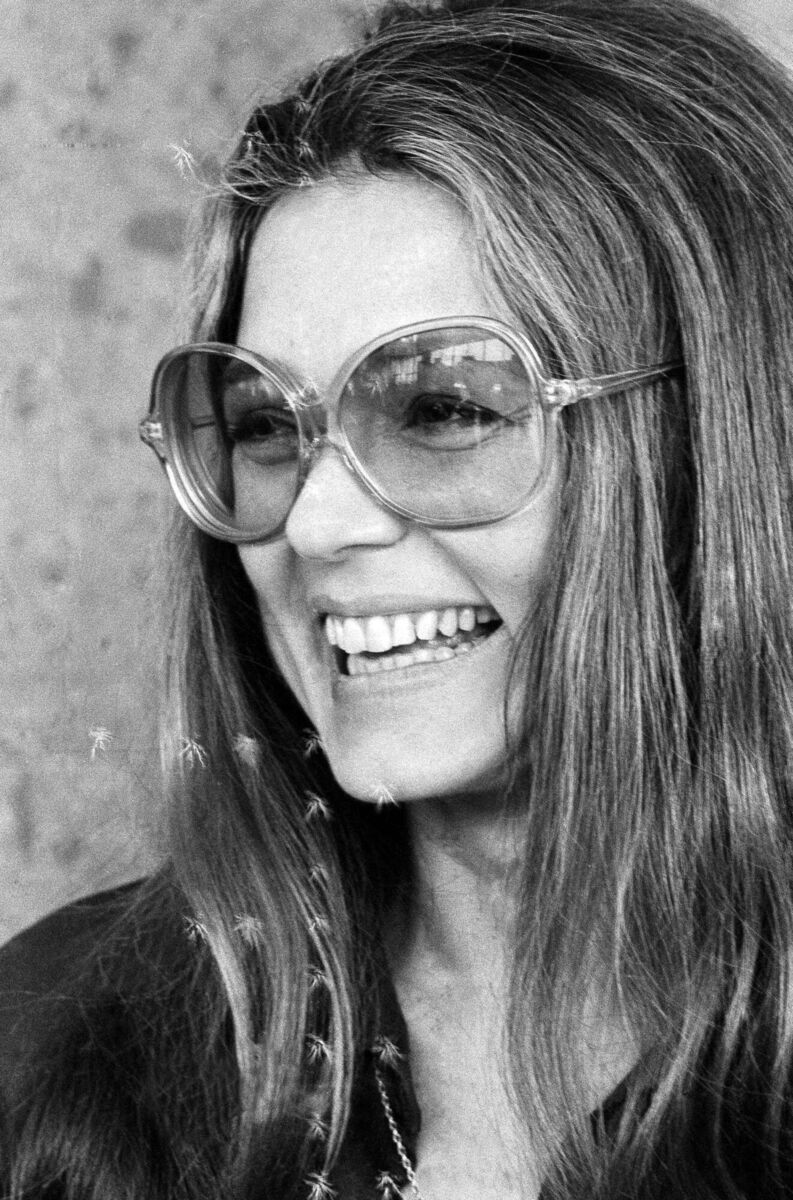
Gloria Steinem said, among many other things: "We badly need to raise our boys more like girls".
She meant that men "deserved the full circle of human qualities developed in them just like we deserve it", meaning patience, empathy and attention to detail.
I would say we also need to educate young women in the financial skills that boys have traditionally been encouraged to acquire, including financial independence, risk assessment, negotiation, self-protection and an understanding of power, with a module on asking for that raise because they’re worth it.
We taught girls to get an education and a career, but somehow many of us were never taught the economics of dependency: what happens to your pension, earning power and financial security when you become the person who does the bulk of the unpaid caring.
I’ve just read Belle Burden’s best-selling memoir . Her husband left her during the pandemic, announcing suddenly he was leaving and didn’t want custody of the children. She comes from a hugely privileged background and, by anyone’s metrics, she comes out well in the end due to family wealth.
This doesn’t invalidate many valuable points she made or her suffering and shock when she was left to absorb the practical and emotional consequences of the split, and the inevitable ‘poor rich girl’ backlash against her memoir.
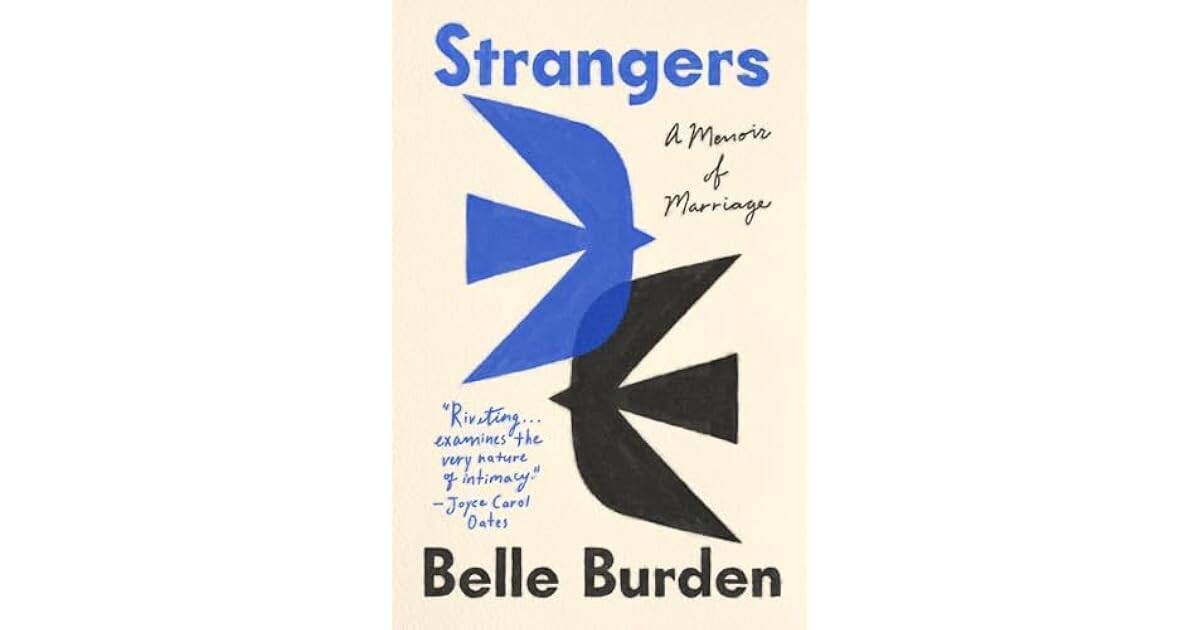
Our marriages ended differently, but Belle Burden and I both once worked in big corporate law firms. Both of us also, for a time, worked on the defence side for tobacco companies, which we disliked.
We were both blindsided by the way in which certain people in our social circle treated us when the marriage ended. As in, bye-bye, no further contact, which turns out to be a blessing, but it takes time to figure that out.
The most interesting part of the memoir for me is when Burden looks back on her choices as a woman and a wife, partly made because of unconscious cultural conditioning and assumptions about ex-husbands’ careers taking precedence.
Most strikingly of all, she wrote: "I was going to let things happen to me." That line made me sad. Steinem said she wasn’t going to let things happen to her.
Some of us didn’t get the memo. You get it sharply when going through the divorce system, when the fact children are no longer minors means years of former caregiving can be much harder to translate into economic security.
I’ll confess the current online subculture of the 'trad wife’, with its insistence on being submissive to your husband, makes me want to commit an act of public disorder.
I will always support stay-at-home mothers and the huge value of their unpaid contribution to society. Society praises women for doing unpaid caring work and still presents it as a viable career option at a certain point in a woman’s life because it supposedly strengthens families.
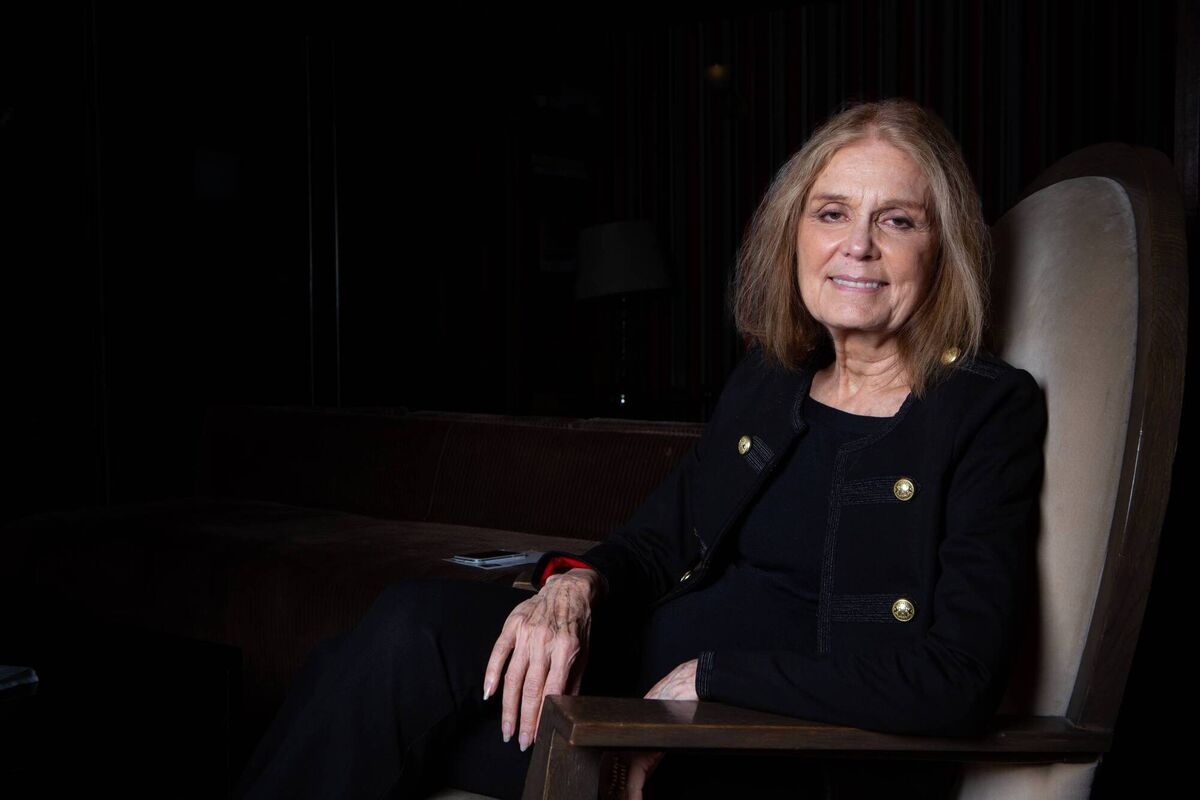
Meanwhile, to a large extent we structure economic and legal systems to treat that same work as if it has little or no value beyond symbolism. Does that not strike you as inconsistent, damaging and unfair that the women doing it pay such a high personal price?
There’s a glaring hole in how we organise family structures and penalise women for doing what we encourage them to do.
If society benefits economically from raising children, why is the unpaid parent treated as economically unproductive?
Feminism is about choices. No choice is a free one if the option carries a potentially crippling lifetime financial penalty.
There is also a social policy issue. We discuss the problem of falling birth rates, but maybe young women are not per se against having children; some of them have figured out the trade-offs and, having done the maths, aren’t buying the "your country needs you to be a mother" logic.
If I ever have a granddaughter, I will sit her down and teach her the maths of stay-at-home careers. I’ll tell her not to be like grandmother unless the State gets its finger out and, at the very least, gives pension entitlements and stamps to stay-at-home parents.
In her final words on Netflix, Steinem said: "Please tell your own story. The most important thing we can do for each other is to know each other through stories. To do what you love, to be the unique person you are."
From where I’m standing, the most important thing women can do from a young age is understand that, as human beings, they are unique, have agency, and should use it in more than a theoretical sense while they craft their own stories.
The last word on this should go to Steinem: "Self-esteem isn’t everything, it’s just that there’s nothing without it." I imagine Belle Burden would agree.

CONNECT WITH US TODAY



Be the first to know the latest news and updates