David O'Mahony:  Superstitions remind us that our past is really only just beneath the surface
The idea that children could be stolen by fairies (changelings) persisted in parts of Ireland up to the 19th century, sometimes with fatal consequences
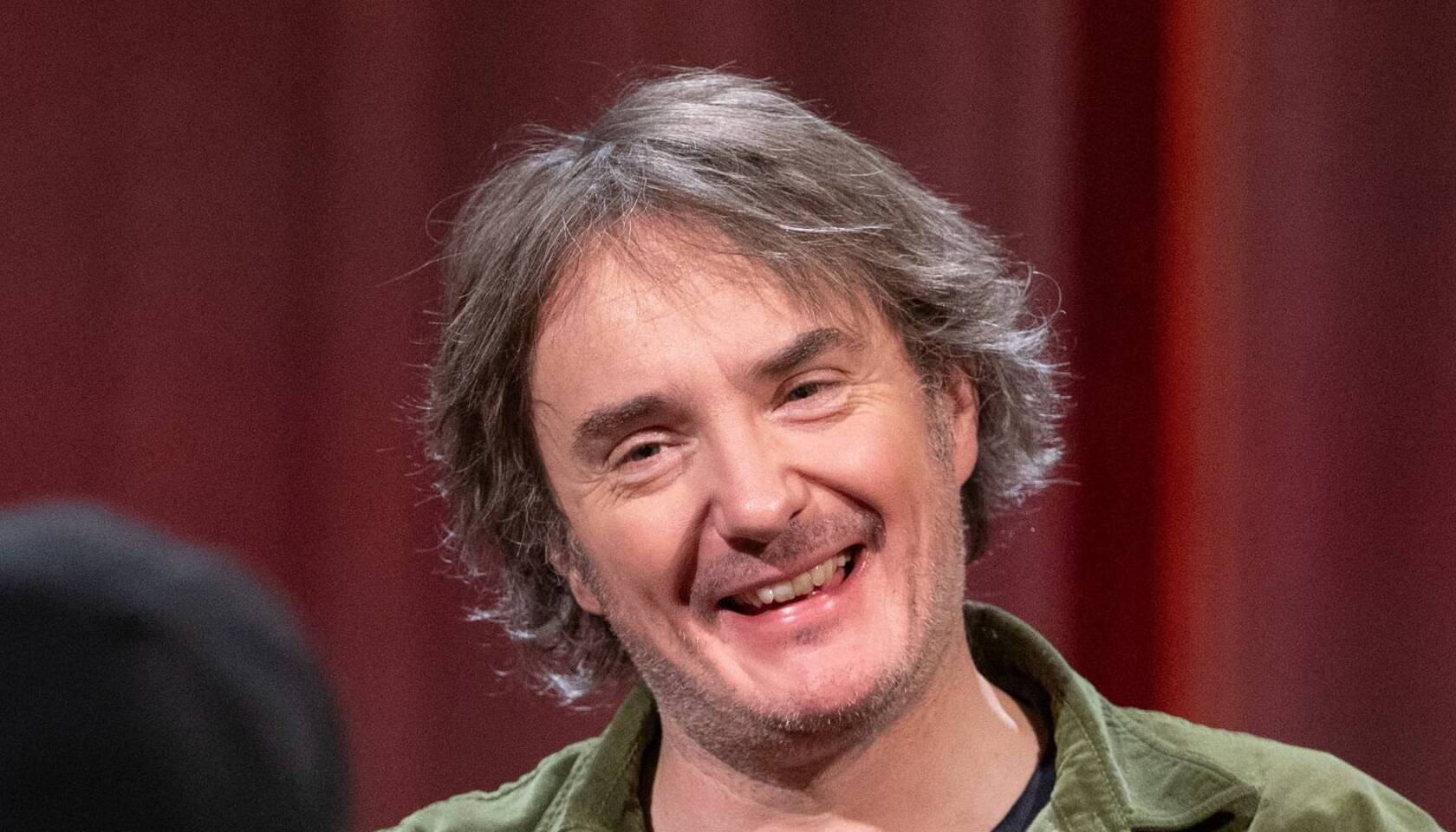
The visiting American podcasters planned to curse, but not the sort of beautiful, poetic profanity you might get from Dylan Moran.

The visiting American podcasters planned to curse, but not the sort of beautiful, poetic profanity you might get from Dylan Moran.

This week, a small group of American podcasters were on a mission.

It was a mission to Cavan, of all places, which isn’t a slight on the good people of Cavan, but it’s nonetheless somewhat off the country’s main thoroughfares.

The visitors planned to curse. Not the sort of beautiful, poetic profanity you might find at a Dylan Moran show or in somebody crashing out on Tumblr or Reddit, but actual “let’s do some sort of harm” cursing. 

Well, I mean, nothing else is saving the USA — what did they have to lose?

And anyway, there’s no school like the old school, is there?

Now, that said, from what I gather, they weren’t quite going down the hexing route (you can hire a witch on Etsy for that, if you’re so inclined). They weren’t even especially malevolent. 

They were, they said, targeting politicians back home — not so much “may thy knife chip and shatter” as “may they forget their crypto password”, and other such relatively modest but infuriating curses.

I quite like how they were so specifically modern. Our ancestors would have kept their curses up to date as well; the old and new were always alongside each other in old Ireland.

There is an actual set of cursing stones in Cavan, by the way. The American visitors didn’t dream it up, as people with romanticised ideas of this island sometimes do. 

They’re called bullauns, which are found in Ireland and Scotland, even as far afield as Lithuania.

They’re sort of depressions in rock and can fill up with rainwater — a stone left in them, if turned three times, can either cure or curse depending on a person’s intention. 

You’ll find them a lot in sites connected to various saints, Christianity, the original spiritual coloniser, having co-opted them while pushing out the old religions.

The Cavan ones are associated with St Brigid, and I believe there are 16 of them. 

Mystical firepower in Co Cavan

That’s a lot of mystical firepower for those who believe in it (evidently the ancient peoples of Cavan weren’t willing to take crap from anybody — I presume they still aren’t).

One can only presume that, if going to the trouble of travelling halfway across the world to visit a spot in rural Cavan, this group of visitors did believe.

I can’t imagine it’s the sort of tourist draw that’s come on Discover Ireland’s radar, but maybe there’s an untapped opportunity here. 

“Come, good people, come to the land of your ancestors where we’ll teach you how to place the most withering curse on your enemies … for entertainment purposes only, of course.”

It was the sort of modest pettiness about some of the planned curses that took my fancy. It’s when you want to inconvenience somebody but don’t actually want to do any physical harm (violence isn’t the answer, etc, etc).

But I think they could drill down a bit more into that sort of thing. 

It reminds me of the meme post that goes around along the lines of “You’re a burglar, but you can only steal things that mildly inconvenience the person you are stealing from” (their bath towels, obviously; or all of their shopping bags, including the spare ones in the boot of the car).

Petty, but effective curses to me would be “may your kitchen lights always flicker” or “may you never get to drink a hot cup of coffee”. 

Some old Irish curses

Some supposedly old Irish ones I’ve stumbled across over the years are along the lines of “may you find the bees but never the honey” or “may you itch but never scratch”. 

The kind you can say while seemingly in good humour, although that last one’s about to tilt over the border from mischief to CIA black site “enhanced interrogation”.

One waits with slight bemusement to see if these American visitors will claim victory in some way or another.

Now, our ancestors took all this stuff seriously. My wife was at a talk on witchcraft in Ireland, and the speaker pointed out that rules around cursing and magic were set down in the Brehon Laws. 

And it’s fair to say that a lot of colour went out of the world when what’s generally known as paganism was suppressed and forgotten.

And yet, traces endured long beyond the days when cursing stones were being carved out and used. The idea that children could be stolen by fairies (changelings) persisted in parts of Ireland up to the 19th century, sometimes with fatal consequences. 

Other traces became superstitions that became habitual or simply turns of phrase.

Think of the superstitions that might exist in your own family — mirrors facing the front door (very feng shui but supposed to be for repelling evil), no shoes on the table, throwing spilt salt over one’s shoulder, cutlery falling on the floor meaning a male, female, or child visitor depending on what it is (I’m still waiting for somebody to tell me what a pizza cutter on the floor is supposed to mean).

Maybe they’ve come to a halt with a parent or grandparent, but that’s how far the old ways have extended.

So while many of us might see things like curse stones and fairy forts as relics, they remind us that our past is really only just beneath the surface.

x

More in this section

Revoiced

Newsletter

Had a busy week? Sign up for some of the best reads from the week gone by. Selected just for you.

Cookie Policy Privacy Policy Brand Safety FAQ Help Contact Us Terms and Conditions

© Examiner Echo Group Limited