David O'Mahony: History of human life is too easy to gloss over

In blind deference to the institution that cast itself as Rome’s successor, the Catholic Church, how many thousands of women and children did this country lock away in mother and baby institutions or other such places?
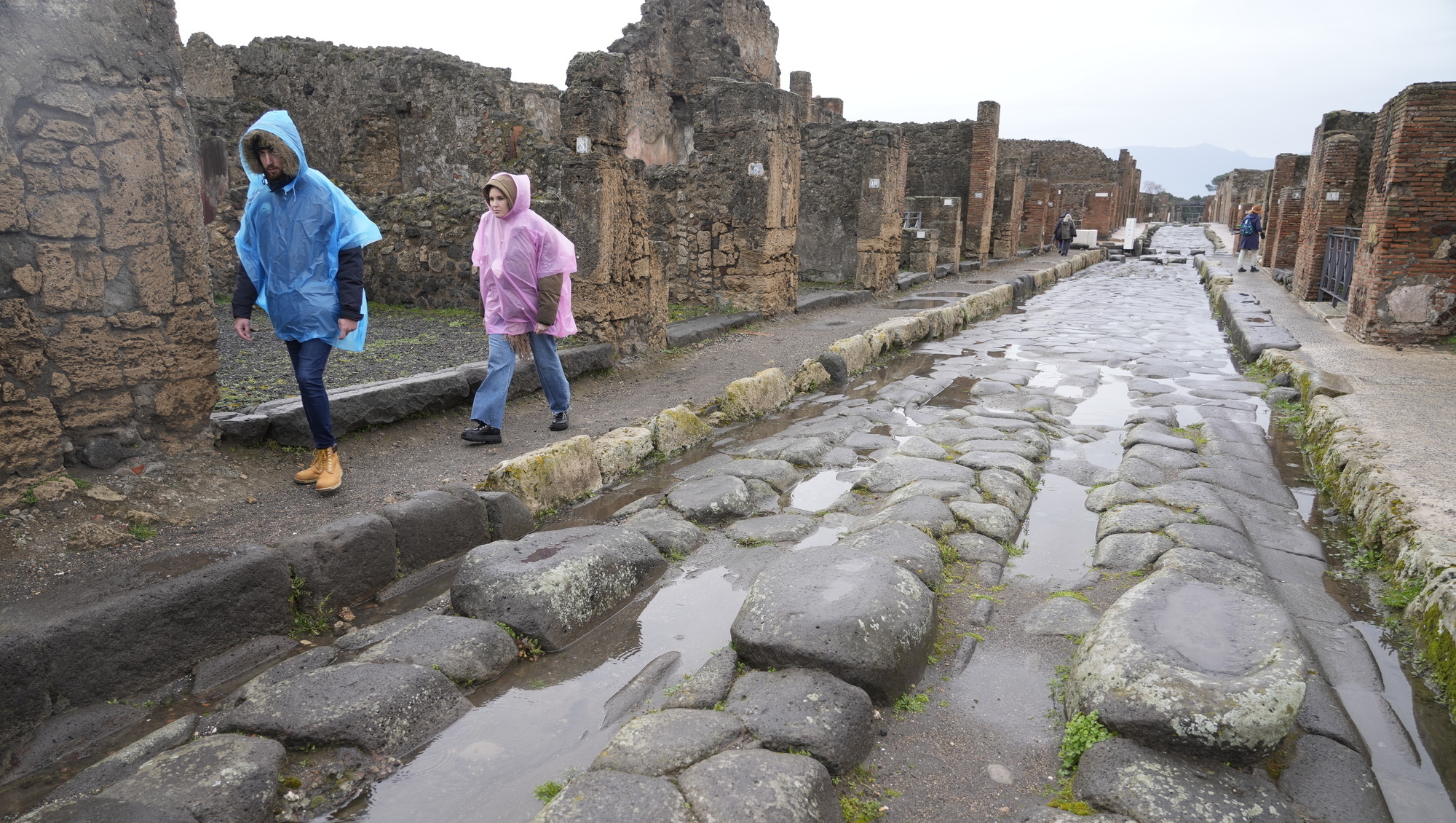
For all its achievements in art, architecture, and literature, the Roman world of Pompeii was a million miles from what we call modernity. But what might be horrifying to us was perfectly acceptable to them Picture: Gregorio Borgia/AP

For all its achievements in art, architecture, and literature, the Roman world of Pompeii was a million miles from what we call modernity. But what might be horrifying to us was perfectly acceptable to them Picture: Gregorio Borgia/AP

The past is often, if not an undiscovered country, a rather opaque one.

It can be difficult to get a clear view of it, as much because of distance in culture as well as distance in time.

That doesn’t mean we should stop visiting it, or stop trying to understand it for that matter.

To quote the poet Maya Angelou: “If you don’t know where you’ve come from, you don’t know where you’re going.”

Each of us is, whether we like it or not, some weird, Frankenstein-esque assembly of the parts, thoughts, and feelings of the people who came before us.

HISTORY HUB

If you are interested in this article then no doubt you will enjoy exploring the various history collections and content in our history hub. Check it out HERE and happy reading

But we don’t really understand them, the way they wouldn’t understand us (God help my poor children, when they properly realise they have a journalist-historian-horror writer-metalhead dad – they’re conscious of at least two of those, I’ll let you guess which).

It’s that space between spaces where most of human life has existed. Yet, it’s too easy to gloss over it.

Beloved Wife, who was in Pompeii with two of our children this week, bumped into this during a guided tour. A popular part of the city — in its death as well as its life — is the red light district. Cue a whole load of phallic jokes by the guide and general levity to play up for laughs, and no mention of how small the rooms were, or that the women in them were probably slaves, or how awful their lives likely were.

As Beloved Wife noted, there are pictures on the walls that function as a menu of sex positions.

For all its achievements in art, architecture, and literature, the Roman world was a million miles from what we call modernity. But what might be horrifying to us was perfectly acceptable to them.

Now, there’s nothing that requires a tour guide to be a knowledgeable historian. Any type of historian, really; plenty of guides do great jobs by sticking to the script and the bits they know work well for the audience.

Context is key

It just so happens that Beloved Wife is both a historian and a very good tour guide (the last time she took one of her classes to the Rock of Cashel, a gaggle of American tourists latched on to them as she brought the students around the site). As with many things in life, context is key. And historians give context, not just highlights. Because people in the past — not just how they behaved, but how they thought and interpreted the world and their places in it — are, as Mary Beard puts it in Talking Classics, “almost unthinkably alien, sometimes almost incomprehensible”.

“We never do (and never can) bridge the gap between us and them.”

The way to the red light district is indicated by stone penises on the cobblestones, by the way. People then had a much different attitude to sex and the body than we do, much as what we think now is a world away from where Ireland was in the 1950s (America seems to be backsliding, but there’s not much we can do about that).

But while we can’t bridge the gap to previous generations, we can still learn quite a lot about them.

'Alien' and 'incomprehensible' applies to more recent events than the people who lived and died after a volcanic eruption nearly 2,000 years ago.

In blind deference to the institution that cast itself as Rome’s successor, the Catholic Church, how many thousands of women and children did this country lock away in mother and baby institutions or other such places? How alien and incomprehensible is that to Ireland of 2026?

And I was alive when the last child was born in Bessborough. It feels like saying I was alive at the invention of the steam engine, or when people paid to watch what we would now call psychiatric patients at Bedlam.

Years ago, I joined my dad as he did a site survey on a building that was due for redevelopment. It may have been a working hospital (I forget where it was), but I do recall one room having extra thick concrete walls on all sides. It had been an asylum at some stage, with the walls thickened to reduce the volume of whichever unfortunate soul was in there.

Who were they, and did any get to tell their stories, do we even know their names? Fortunately, mother and baby institution survivors are still with us, though we’ll never know who all of them were. All the more reason to bear them in mind.

We have had books, and testimonies, and whitewashed State-level reports into homes and Magdalene laundries. Endlessly botched compensation schemes have left religious orders short of responsibility and survivors in the cold. Some have written letters to this publication just this week, telling us their stories. We have a proper chance to know them, though there will always be some distance between us on the outside and the people who went through such harrowing experiences. Most of us will never fully comprehend what living in that sort of Ireland was, even if we’re glad it’s dead and buried.

But at least we have the chance to learn and memorialise. Who will do that for the women (and, presumably, some men) of Pompeii?

  • David O’Mahony is Irish Examiner assistant editor, a historian, and a short story writer

x

More in this section

Revoiced

Newsletter

Had a busy week? Sign up for some of the best reads from the week gone by. Selected just for you.

Cookie Policy Privacy Policy Brand Safety FAQ Help Contact Us Terms and Conditions

© Examiner Echo Group Limited