Gareth O’Callaghan: Is racism becoming more accepted in Ireland?
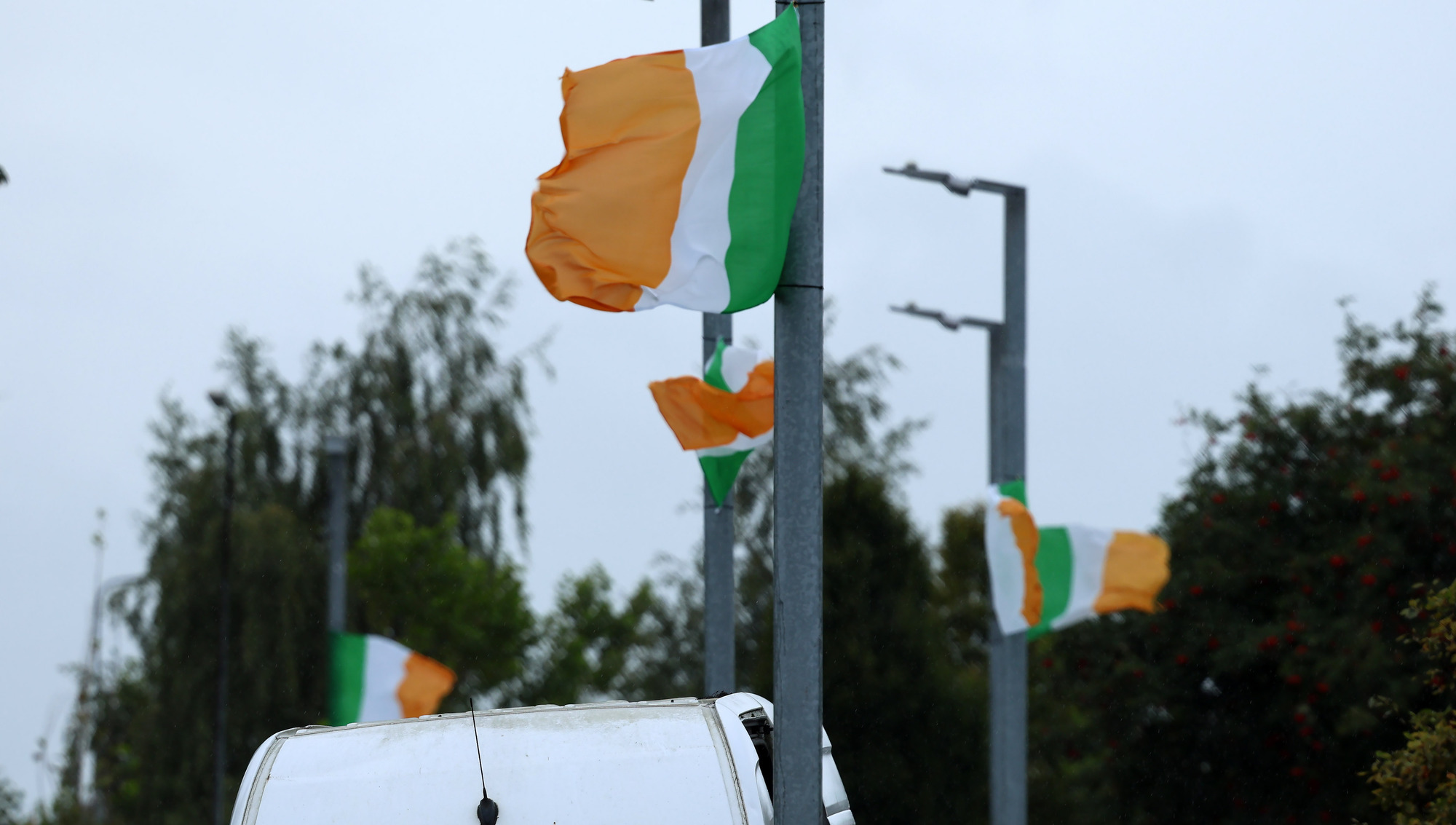
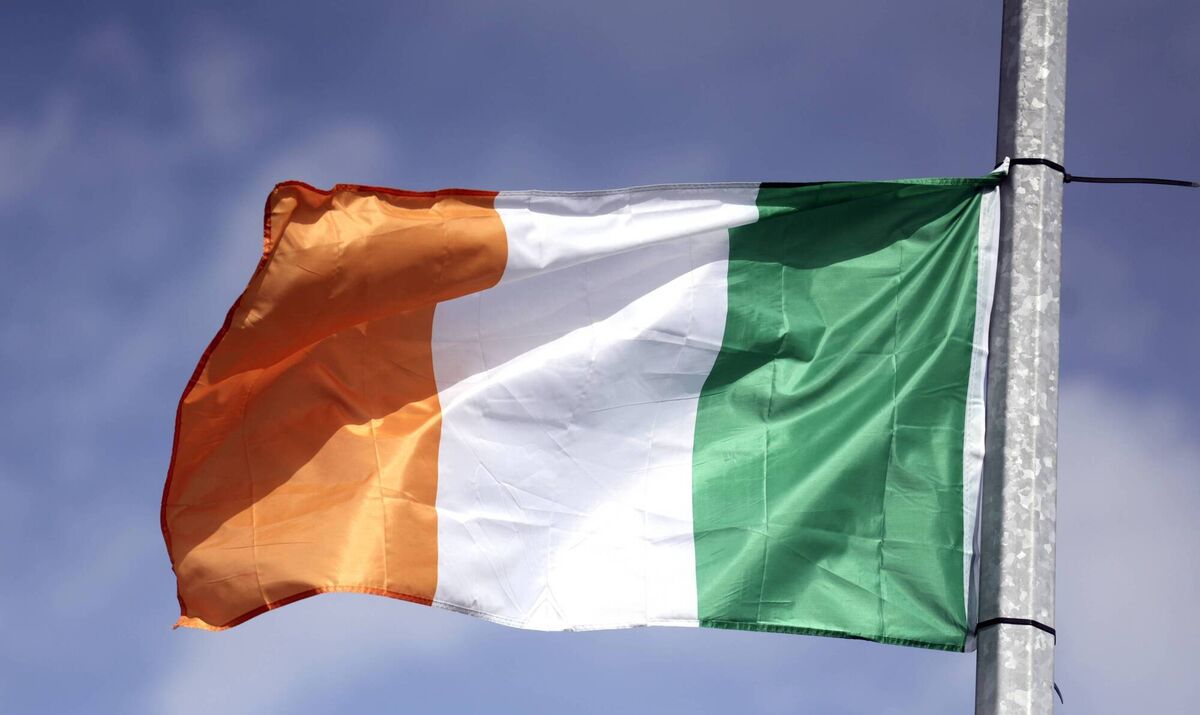
When I see a bunch of tatty faded tricolours hanging from lampposts and bedroom windows in housing estates I know what statement they are making: If you’re not white, you’re not Irish. Picture Colin Keegan, Collins, Dublin.

Am I racist? It’s a genuine question — surprising, but genuine. In fact, I can’t ever recall asking the question so deliberately. Considering the subtleties of racism run deep and wide, I don’t believe I am racist.
I have never felt comfortable around the topic of racism. Even looking at the word written down unnerves me. Why is that? I’m at ease writing about human interest topics because it’s a way of life. I tend to notice moments in any given day which in turn feed into this column.
So what makes racism different? Is it because I struggle with people who wear their racism credentials in the language they use and the jokes they tell like a badge of honour? It’s all very topical, and it’s disgusting.
It’s reached a point where I can’t avoid it, where incidents blindside me and rattle around in that part of my brain where injustice festers and irritates. It’s got nothing to do with being moralistic or prudish. It’s more about my reaction to hate, which sits on a scale so staggering in recent times it has become impossible to quantify.
I’m not talking about overt bigots or anti-immigrant mob mobilisers. It’s more to do with covert racism. Am I one of those people who supports racial equality but harbours unconscious biases and discriminates against individuals of skin colour over a pint? No. Nor am I a crusader of righteousness. It has just reached a point where it all makes me feel nauseous.
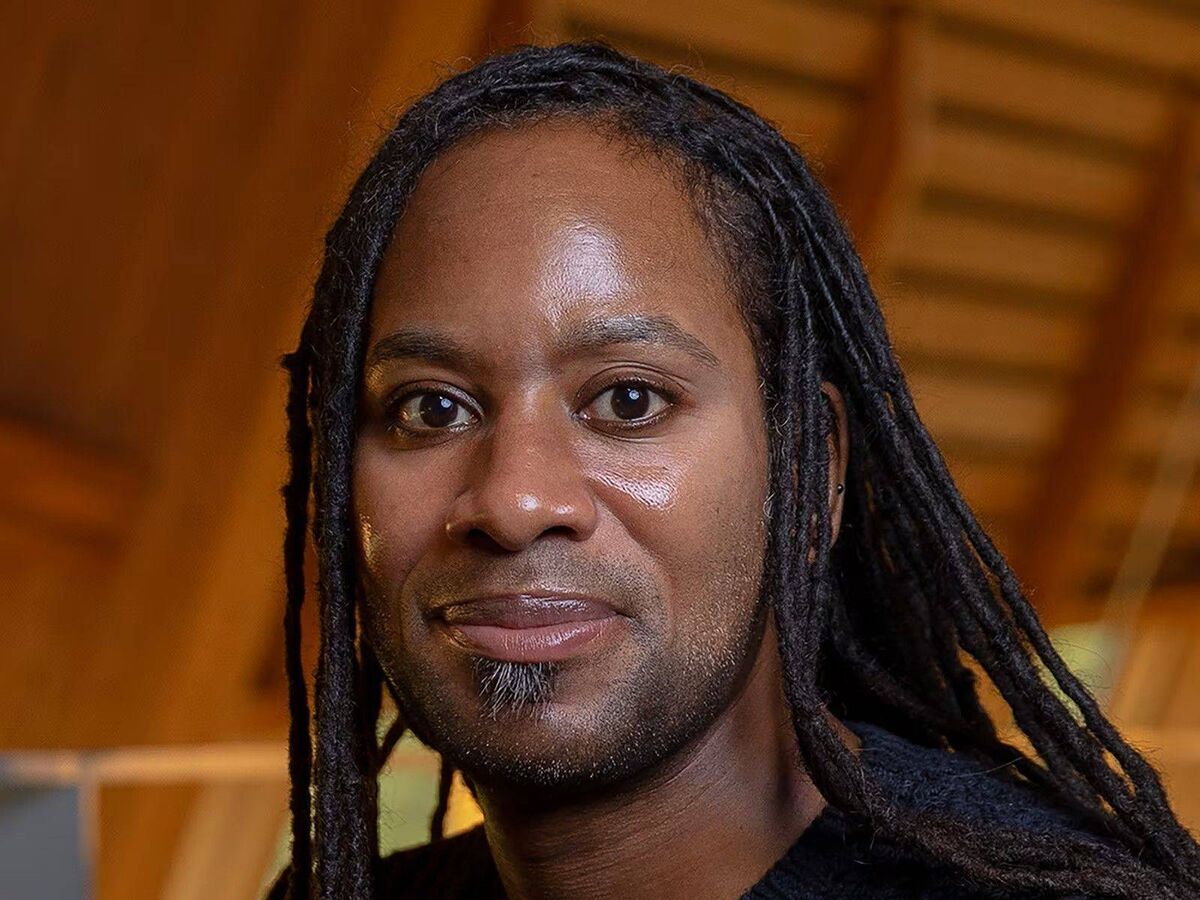
Let’s start by thinking about why Jason Arday chose to end his life. Cambridge University’s youngest black professor in over 800 years had become the victim of a fortnight-long relentless harassment campaign both online and by some media outlets before his body was found in south London last Friday week.
Yes, academic integrity and criticisms around claims of plagiarism and fake qualifications were brought into question. Liverpool’s John Moore University, which awarded Arday his PhD in 2015, investigated the claims and stated there was no evidence of plagiarism, but then Cambridge announced it would be carrying out a separate investigation into Arday’s appointment.
He resigned from the university on August 5, but stressed his resignation should not “be mistaken for an acceptance of the narratives that have surrounded me”. It doesn’t take a degree to see that if Arday had been white, then it’s likely much of the public focus would have been on his accomplishments rather than his ethnicity.
Read More
It’s impossible not to believe much of the focus on Arday was motivated by racism. Many of the texts online were brutally clear in their message as they were equally disgusting: A black man with the title of professor before his name was not acceptable to a mob of baying racists behaving like a pack of wolves eagerly cornering its prey. They made it their business to tear a black intellectual to pieces. In the circumstances, there was nowhere to hide.
Mayor of London Sadiq Khan called Arday the victim of “a pernicious public shaming”. The group Stand Up To Racism said his death “was the result of a racist witch hunt”. His public takedown resulted in a tirade of racist abuse. It’s tragic to think he died alone listening to the ghostly voices of faceless trolls who perpetuated his death.
In May, Rose of Tralee contestant and Tallaght native Suad Mooge described how she had faced vile racist abuse from online trolls following her selection to represent Dublin in this year’s festival owing to her Somali heritage.
The scale of the abuse stunned her. “You’re not Irish,” was the thrust of the accusations hurled at her. Since when do you have to be white to be Irish? Suad was born in Sligo before moving to Dublin.
She summed it up perfectly when she said “people are running on a hate train without reading anything”. The racism hate train appears to be travelling faster than any time I can recall in the past.
I was waiting outside Heuston Station for a Luas last week when I was asked by a young man from Mumbai for help with his Leap card so he could buy a ticket. He told me he had arrived in Ireland three days earlier to settle in before he commences training next month to become a doctor.
I asked him about his first impressions of Dublin? “Quite racist,” he replied. “I asked two people just now to help me with my card and they told me to f*ck off back where I came from.” To quote the Dublin Rose, I was shocked but not surprised.
When I saw those unfurled Irish flags hanging from the stands in Genoa’s Stadio Luigi Ferraris on the evening David O’Leary scored the winning penalty to send us into the quarter finals, my Irish pride overwhelmed me to tears I was so happy.
It’s different today when I see a bunch of tatty faded tricolours hanging from lampposts and bedroom windows in housing estates, because I know what statement they many of them are making: If you’re not white, you’re not Irish.
Prejudices — which are different to racial prejudice — are a form of learned behaviour. That goes for all of us — no matter what skin colour we’re born with. We pick them up as we go through life, but we know they’re not always up for discussion with others. We tend to keep our prejudices to ourselves. Or at least we did until a few years ago.
So what happened?
Public health crises tend to unleash deep-seated mechanisms of fear and tribalism — call it the ‘us and them effect’. The covid pandemic triggered feelings of disgust and avoidance which drove many of us to protect the ingroup against the outgroup, or those who posed a threat to us.
That group are foreigners — including hardworking employees who are the mainstay of our healthcare system, hospitality and construction sectors, and many more. Even those of different skin colour who were born here are being tarred with the same brush.
Those once-silent prejudices have been given a loud and shameless voice in recent years, usually based on crude generalisations and stereotypes, and formed around perceptions based on what most people read online — which in most cases is misinformation. Exaggerated prejudices don’t do truth. They prefer suspicion and distrust.
According to Matthew Williams’ book , within us we all have the internal precursors of prejudice, but it takes a specific set of external conditions to cultivate it. These could include an economy crash, a cost-of-living crisis, divisive politics, or threats to our children.
When you add in the sewer of incitement that’s thriving on some social media platforms, you’re converting prejudice to hate. It’s at that point that peaceful people often turn violent, seemingly out of the blue. Prejudices are dangerous, hate is lethal.
Our disposition towards others once made us the most welcoming country in the world. Our prejudices were rarely what people who came here to live remembered us for, but that has changed. Hate crimes and anti-immigrant rhetoric continue to rise rapidly. As Jason Arday experienced, a vocal minority is often more lethal than a silent majority.
CONNECT WITH US TODAY



Be the first to know the latest news and updates