Jennifer Horgan: Katie Price: Nothing to Hide lays bare an unlikeable but deeply sympathetic character
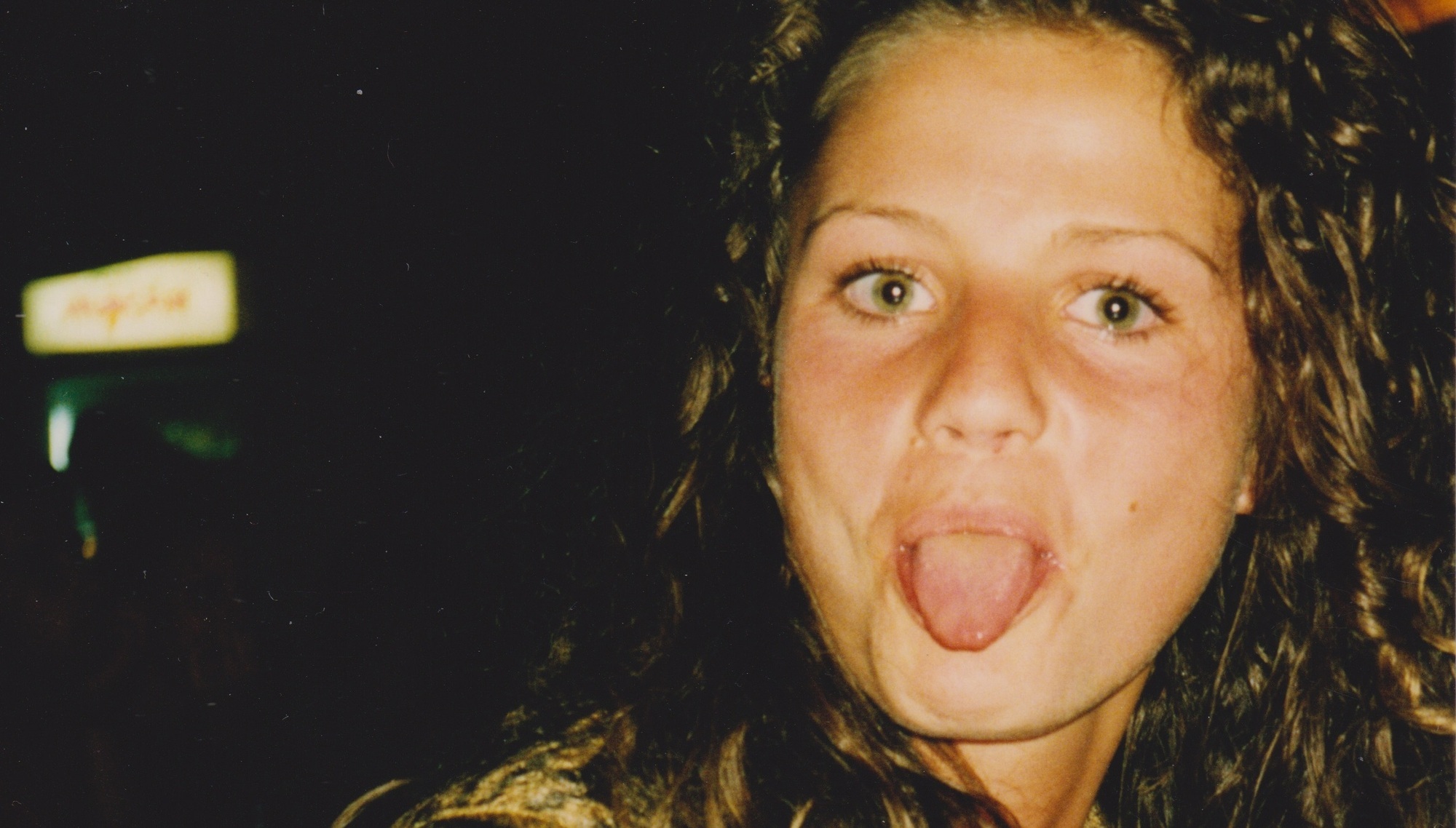
A young Katie Price as featured in episode two of the documentary series Katie Price: Nothing to Hide.

, has me wondering where we might slot this bizarre and fascinating woman into our cultural archives.
Having sat through the four (sometimes slow-moving) episodes of the documentary series, I can’t say I find the woman likeable. The Mindhouse Production, directed by Paddy Wevill, is neither sanitised nor promotional. Price comes across as impulsive, selfish, destructive, crude and needy. But given her experience with abusive men from a young age, she is also deeply sympathetic.
Price can be filed, quite easily, into the tabloid-ravaged Britain of the 1990s, the decade when she first appeared as the glamour model, Jordan, posing naked as a ‘page-three’ girl.
She fits in with the Spice Girls brand too. Like Scary, Sporty, Posh, Ginger and Baby, she earned a lot of money presenting her body as a source of Girl Power. Certainly, the hyper-manufactured girl band were far tamer, but some of their saucier performances came pretty close.
In terms of boob size, Price might remind viewers of cultural behemoths like Dolly Parton and Pamela Anderson — two remarkable women who altered their bodies in similar ways.
These cultural comparisons tell us a lot about Katie Price and the decade that made her. All but one member of the Spice Girls went on to suffer serious bodily trauma — ranging from eating disorders to domestic abuse, while Katie Price’s life has been defined by abuse from the start.
Read More
In relation to breast augmentation, Pamela Anderson was sexually abused as a child. Dolly Parton was physically abused as a child. One might conclude that Anderson and Price, survivors of sexual abuse specifically, responded to that abuse by focusing on sex as a kind of retaliation.
As we see in Wevill’s documentary, Price takes revenge on men, even on the cherubic Gareth Gates of fame.
Then she picks out two pictures. She is seven in one, five in the other. In these, she sees beauty. Her childhood, Wevill emphasises, is the root of her tragic, bizarre, explosive, bombastic personality.
Her mother, Amy, recalls a quiet child; Paul, her stepfather, says she was different, a girl who struggled to make friends.
Then overnight, as Amy puts it, she changed.
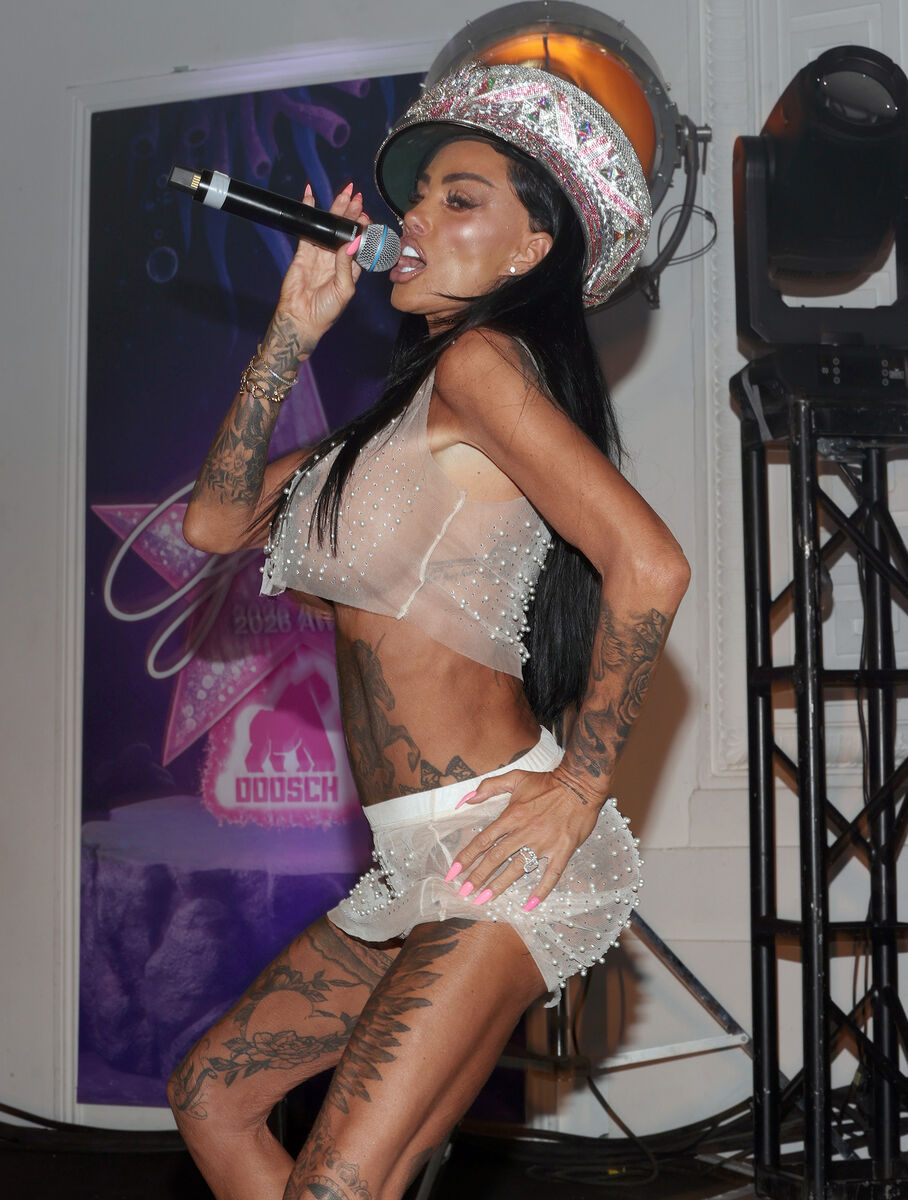
Katie shares she had been abused twice by the time she left school. She looks again at the photograph of herself at the age of seven, telling us she was abused at about that age.
It was a man in a local park. She recalls a sunny day and most vividly, the look on his face. She was a seven-year-old girl. The police took her knickers.
In the final episode, we learn about the other abuse she suffered at the hands of her first ‘boyfriend’. She was 15. He was 25. She describes how he hit her, how she got pregnant and how she lost her baby when he kicked her in the stomach.
Price tells us exactly why she behaves the way she does. She likes to be in control. Being a glamour model, a spectacle, means she has control of her body. Men can look but they cannot touch. It gives her power. Fame means she is almost never alone. You don’t need a psychologist to figure it out.
However, and this is where I’d like to make a pivot if you’ll allow, certain female journalists in Britain seem comfortable looking down their noses at Katie Price’s story. To my mind, their reaction is as worthy of our attention as the documentary itself. It also deserves a place in our cultural archives, tucked somewhere between misogyny and classism.
Take Lucy Mangan’s review in — the paper most would hold up as an example of one with a more compassionate lean.
Mangan refers to Price’s “sloughing off” abuse. If anything, Price fully recognises the impact abuse has had on her life. Nonetheless, Mangan is unimpressed with the documentary’s take, writing it lacks insight and reflection.
Most of her three-star review is written in high moral judgement of Price’s self-commercialisation and ambition. Wevill’s series is characterised by Mangan as yet another product supplied by the Price brand. She signs off her mean-spirited review by suggesting Price should reflect on how she might have better used her ambition.
It is a strange take on a documentary about a woman who attempts suicide, suffers through addiction, multiple experiences of sexual and physical abuse, a violence-induced miscarriage, and a stream of toxic relationships with men.
A strange take and a telling one. This is where we are, unfortunately — in a world where even women, who are more likely to suffer sexual abuse, publicly minimise its consequences.
Friends living in England tell me Price’s stories of abuse have been widely circulated before. Is it that the British public, or members of its press, are simply tired of hearing them? How sad. How awful.
Another article on the documentary, this one by Sarah Dempster, describes the episodes as being as fascinating and exhausting as its subject. She acknowledges Price’s trauma, describing the first episode as sensitive, but that is where her empathy ends.
She remarks on Price’s hubris, then moves to a horrible condescension, saying she wants to: “Wrap her in a foil blanket and give her a warming mug of Ribena.”
This week in Ireland, survivors of abuse perpetrated by convicted child sex abuser Bill Kenneally received a State apology from our Taoiseach, following the publication of the report of the South-East Commission of Investigation, chaired by Mr Justice Michael White. Such serious attention and recognition is the very least survivors of sexual abuse deserve.
Right next door, these two writers barely acknowledge Katie Price’s stories of abuse. In their articles, they commit more time to mocking Price’s teeth than acknowledging her trauma. They delight in mockery, situated in their ivory tower, and in so doing, minimise sexual and physical abuse more generally.
Speaking about the series to , a paper that is frequently mean-spirited across a whole range of topics but that does bother, in this instance, to include the details of Price’s abuse, director Paddy Wivell says: “I don’t think our series has the intention of making her any more vulnerable.”
He adds: “Hopefully she will just be more understood.”
The series helped me understand her. It also reminded me of the beauty of family, and of basic human kindness.
CONNECT WITH US TODAY



Be the first to know the latest news and updates