David O'Mahony: Struggling to find a book as genius as Doireann Ní Ghríofa's genre-defying offering
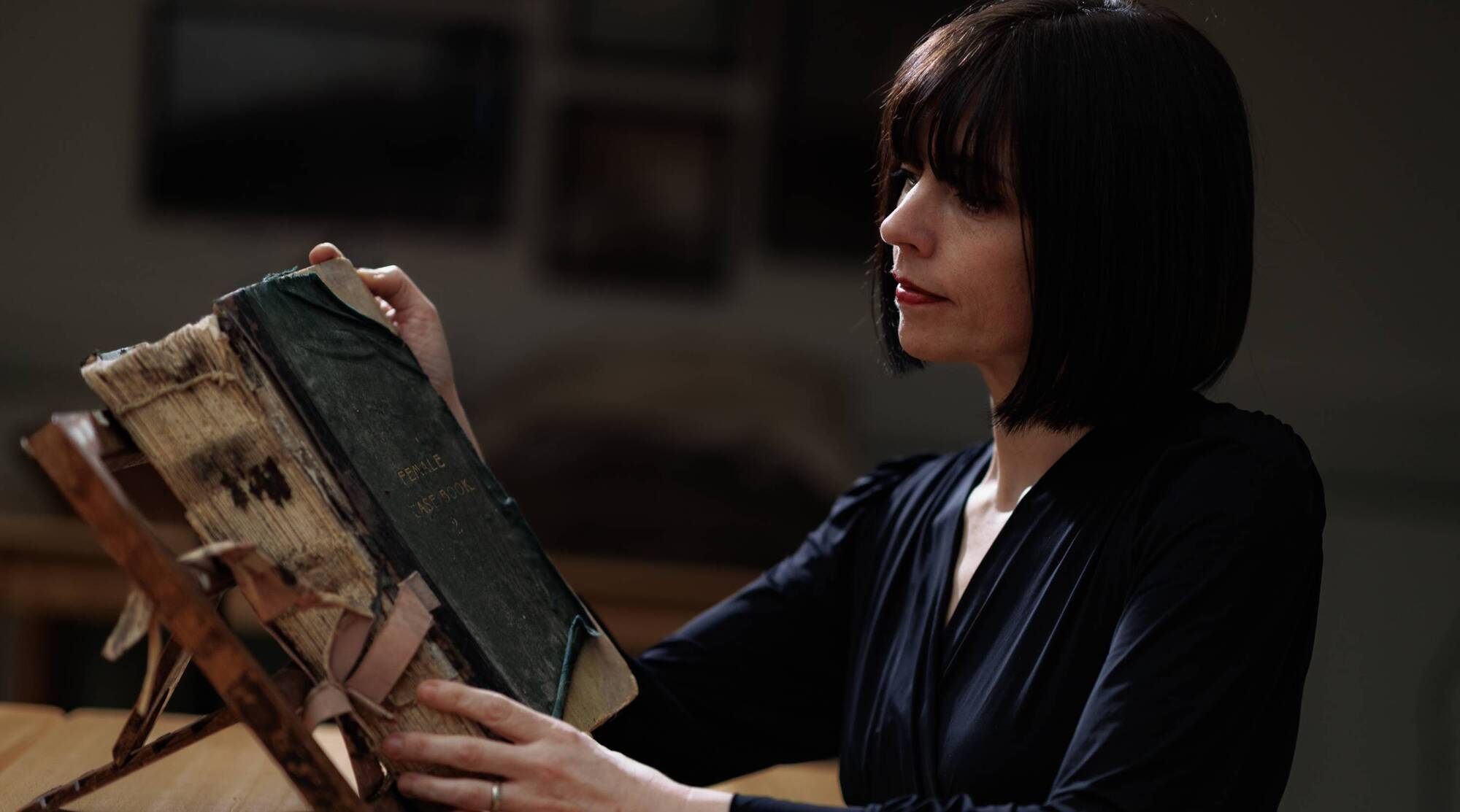
Doireann Ní Ghríofa's 'Said The Dead' has proven so atmospheric, heartfelt, and engagingly unique that everything else in my to-be-read pile seems, well, tame.

I’ve been in a reading funk, which is a bit of a problem for a writer.
I’ve been in a writing one too, really, but whether the two are related I can’t say. For the latter, I can definitely give a reason — Doireann Ní Ghríofa’s .
It’s not just a certain professional awe, though that’s certainly there.
Some books are just difficult to follow. While occasionally that’s because they’re wretched, or too weighty — looking at you, — is the opposite.
Concerning the 19th-century Cork Mental Hospital (Our Lady’s), Dr Lucia Strangman, and its female inmates, it has proven so atmospheric, heartfelt, and engagingly unique that everything else in my to-be-read pile seems, well, tame.
And given that I’ve recently acquired a stack of horror anthologies, that’s saying something. You should see some of the stuff in those, and I even wrote some of it.
Read More
Categorising is difficult in and of itself. Eason and Amazon file it under memoir, but it’s not quite that, even if the character of the Reader is an analogue of Ní Ghríofa herself and she is retracing her personal experience with the archives. But so much of the lives of the women in the book are based on what could be gleaned from case files and then filled in by the author, or the imagination of the Reader, that it isn’t wholly non-fiction.
Creative non-fiction, maybe, but there’s a reason so many of the reviews — and the publisher — describe it as “history and ghost story”. Ultimately, that sense of the ethereal, the quiet, poetic magic that weaves its way through the narrative, can’t wholly be named. Naming it would be to trap and nullify it, skewering the book when its real power is revealing the stories of Cork women who would otherwise exist still only in case books and archives.
At least now, in the pages of , they have another shot at life.
Therein, perhaps, lies something of its genius. The better art tends to defy categorisation, or sit comfortably in several genres at once. This can be a torment for marketers, and especially indie authors who are trying to not only write but market their books, but rules be damned.
Based on reputation alone, I was already expecting a superb read (Ní Ghríofa’s narration in the audiobook adds an intensely personal dimension, by the way). I was not expecting to be unable to really read anything else after it.
I’ve taken breaks from reading before, even going off it entirely when life and stress got in the way, but never because a book was so good it left the sort of dreamy sense that anything else would be a step down, or a mood killer.
My son, incidentally, would get around this by just reading the book again and that this doesn’t occur to me speaks to a gap in my training. What that training is, of course, is debatable.
I dragged myself up on the mean streets of reading encyclopedias as a child when I should have been sleeping, or cramming epic fantasy tomes into the space between midnight and … well, whenever sleep finally took me as a teenager and college student.
It’s not quite dragged backwards through a hedge, I grant you. Or, somewhat disappointingly, amassing great swathes of esoteric ancient (possibly useless) knowledge by wandering similarly ancient leatherbound libraries like Victor Frankenstein. But such is the way of it.
And when I said professional awe, I meant it. I’ve struggled to find what Stephen King, in , referred to as “the hole on the page” since. Yet more than once while reading, made me think that I could do something similar to resurrect people from my family history. Not as poetic, perhaps, or as elegant.
I have my own strengths — a recent review of a book I’m in, , a collection raising money for mental health charities, described my offering as “Kafkaesque” and setting the tone for the rest of the work — so I’d like to think I could achieve it, one way or another.
Maybe that’s a self-defence bubble: There’s no sense embarking on any kind of book unless you have confidence that, one way or another, you’ll get it finished. You can edit a bad book, but you can’t edit a blank page, and all that jazz.
After nearly a month of scratching around looking for something to hold my interest — this is unheard of in recent years — I’ve sort of settled on one last foray into Terry Pratchett’s Discworld series.
It’s my first time reading them, and after 26 of the 41 I don’t think I’ll finish the whole lot (you can pick them up in any order anyway), but there’s a sort of familiarity that’s easing me back. It couldn’t be more different to Ní Ghríofa’s, either.
, which isn’t the last book in the series following policeman-cum-duke Sam Vimes, is more hard-boiled detective style than poetic history/ghost story. A depiction of power, its abuse, and trying to do the right thing in even the most trying circumstances, I imagine the grounded prose and narrative is likely what’s working for me — a decent foil to the heights of .
Still, both books will endure in my head. And at the end of the day, isn't that all any of us can hope for?
- David O'Mahony is assistant editor and a writer
BOOKS & MORE
Check out our Books Hub where you will find the latest news, reviews, features, opinions and analysis on all things books from the Irish Examiner's team of specialist writers, columnists and contributors.
CONNECT WITH US TODAY



Be the first to know the latest news and updates