Culture That Made Me: Sara Baume on art, audiobooks, and Moomins
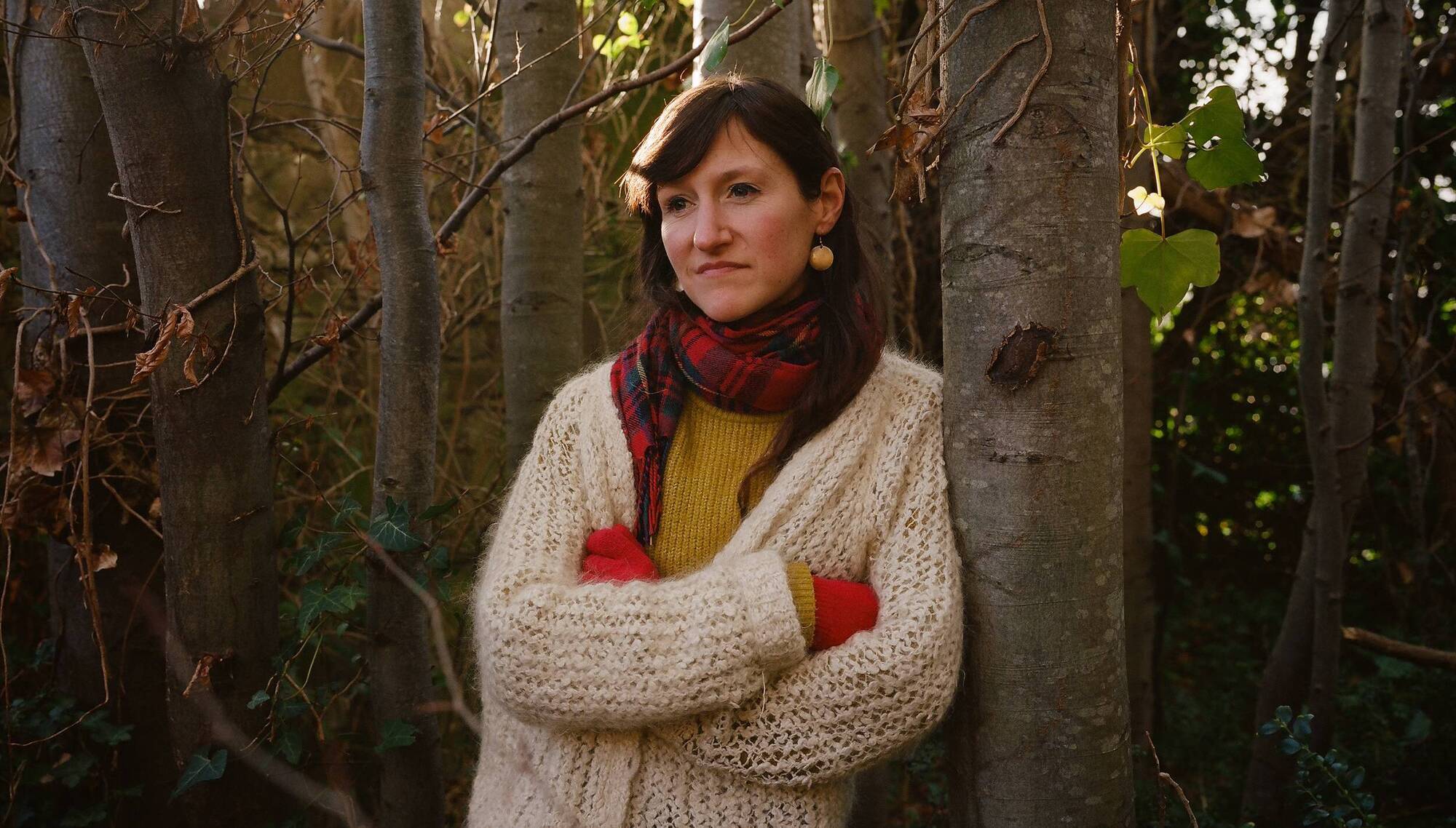
Sara Baume will be in discussion with Danielle McLaughlin at the Write by the Sea Literary Festival, 3.30pm, Sunday, September 27. Picture: Alice Zoo
Sara Baume, 42, was born in Wigan, England, but grew up in Lisgoold, East Cork. In 2015, her debut novel won several awards, including the Rooney Prize for Irish Literature.
In 2023, she was named on Granta’s prestigious Best of Young British Novelists, which is compiled every decade. She will be in discussion with Danielle McLaughlin at the Write by the Sea Literary Festival, 3.30pm, Sunday, September 27. See: writebythesea.ie.
Growing up, my sister and I were huge fans of the novels by Finnish writer Tove Jansson. I now have a dog called after her. She also wrote these spare, strange little novels for adults and she was a painter and a political satirical cartoonist who was very critical of the Nazis. Her books for children were about this family of strange creatures who lived in this circular house in the woods. They had all these adventures. There were storms, apocalypses, a big flood. They were big themes for children, but strange and magical, which infected my imagination when I was a kid. At the time, these books were obscure, but they've since become really popular. In Finland, there's a Moominworld theme park, like a Disneyland experience.
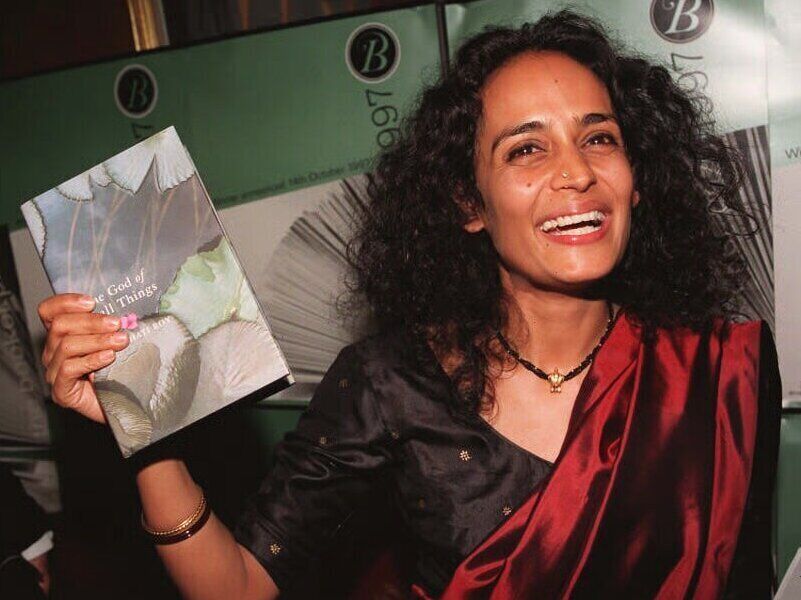
Arundhati Roy has only written two novels over the span of 20 years. Her first novel, won the Booker Prize in 1998. I was still a teenager. It was very formative to me as a writer because it dispenses with the normal rules of punctuation and capitalisation of letters in order to generate the voices of the characters who were speaking. As an experimental novel, my mind was blown — that you could make a piece of writing like a piece of art and do interesting, creative stuff with it. It had a big impact on me.
When I did my Master's in Creative Writing in Trinity, Dermot Healy taught a couple of days in a visiting lecturer role. I remember initially being not that interested because I thought he was this old man poet with a long grey beard, but there was something mesmerising about the way he spoke and his conviction. It was only after I'd encountered him that I sought out his novels. is one of my favourite novels of all time. The way he wrote landscape and the relationship to nature as well as to the people who populate the nature made such an impression on me.
I found J.D. Salinger's novel strangely moving. It was almost like a little religious text for disillusioned twenty-something-year-olds. There are two sections to the book, delivered from different points of view, one from Franny and one from Zooey. She's suffering a kind of nervous breakdown. And he's talking to her. I've given the book to people as a gift over the years, many years ago.
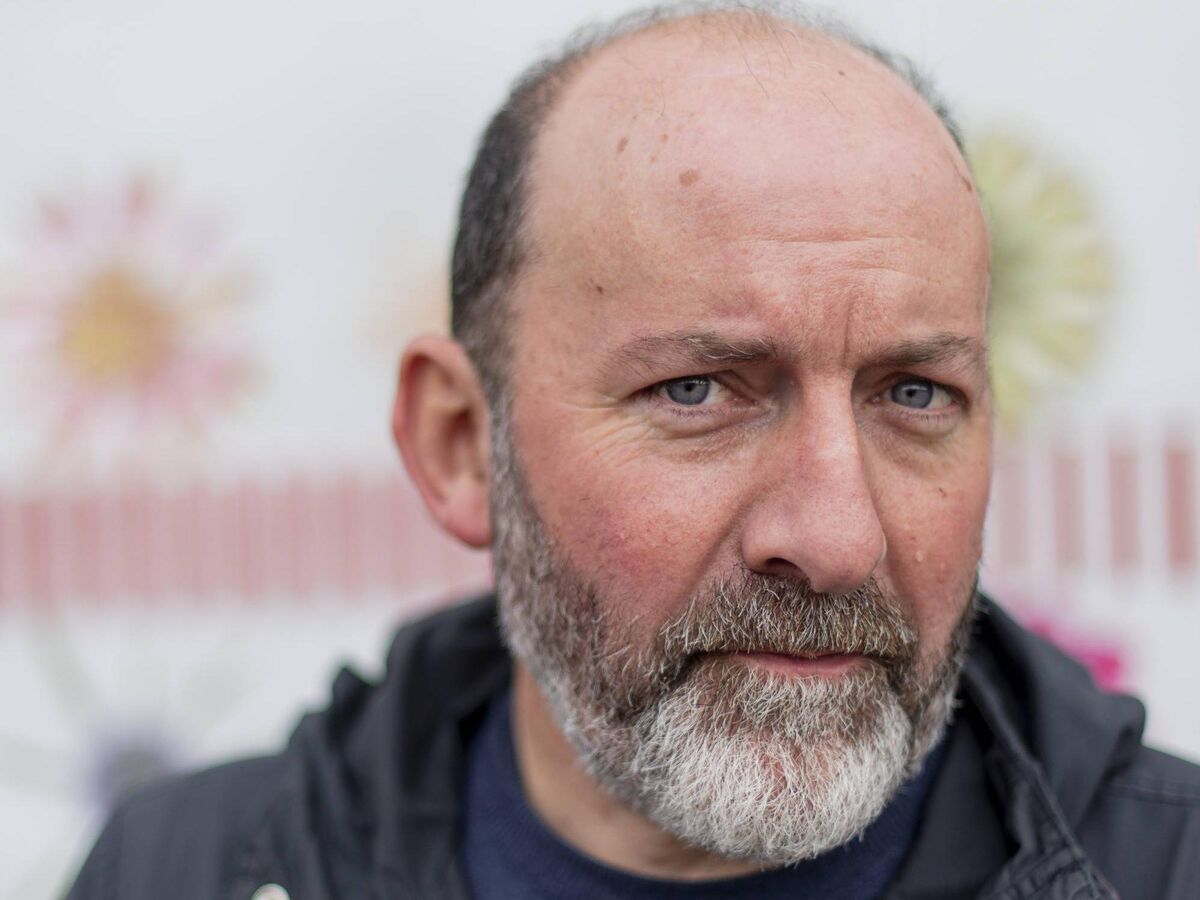
One of my favourite filmmakers is Cork filmmaker Pat Collins. I remember as an art student in Dublin going to the IFI to see — Pat Collins's film about this man who goes on a journey to find places that aren't polluted by human noise. Since then, I've loved all his films like a documentary about the American folklorist Henry Glassie; Pat Collins follows him on various journeys as he writes his books. was this interesting biopic about the sean-nós singer, Joe Heaney. Most recently, is an adaptation of the John McGahan novel. My interests converge there, as I’m a big fan of John McGahern. Pat Collins has this attentive touch, whatever the subject is.
I'm a big fan of J.G. Farrell, an English writer who lived briefly at the Sheep’s Head Peninsula in West Cork; he drowned tragically there in 1979. He wrote this trilogy. One of them was set in Ireland; one was and one was set in India. The best-known one is probably It won the 'Lost Man Booker Prize' in recent years, the year when the Booker Prize wasn't awarded. He was interested in the colonial experience. His novels were very satirical, making fun of the English blustering into these countries and making a mess of it. They're also very character-driven novels. There's lots of smaller characters that are peculiar and hilarious. They sound like weighty novels that are concerned with big themes, but they're loads of fun as well. I challenge anyone not to enjoy them.
I listen to audiobooks a lot. There’s a translated series by a Danish writer Solvej Balle called There's seven of them, all short novels. They're set in France. The central premise is like This character gets trapped in the one day; the day keeps playing itself over and over; she has to come to terms with this or get out of it. There's not a complicated plot. It's constantly circling around this one character, but they’re compelling. You find yourself intrigued by where the writer is possibly going to bring this next, and you keep listening to them. They've been a huge literary sensation.
I loved which stars Mackenzie Crook, who did It’s a beautiful, short series. It pivoted around this group of metal detector enthusiasts. Because my mother was an archaeologist, I have this interest in history and things that come out of the ground. Essentially, is a drama about relationships, friendships and life. It has this lovely central focus of this group of people with this niche hobby. There’s something cozy and endearing about it. Anyone I know who's watched it has loved it.
Around 2003, IMMA had this retrospective of French artist Louise Bourgeois called She made sculptures out of stuffing and cloth, sewing them. It spoke to me – this weird connection between the soft toys I've grown up loving so much and subversive, unsettling sculptural forms, that they could be made of fabric, thread and material. Ostensibly, I’m a writer, but she's stayed with me as an influence my whole life.
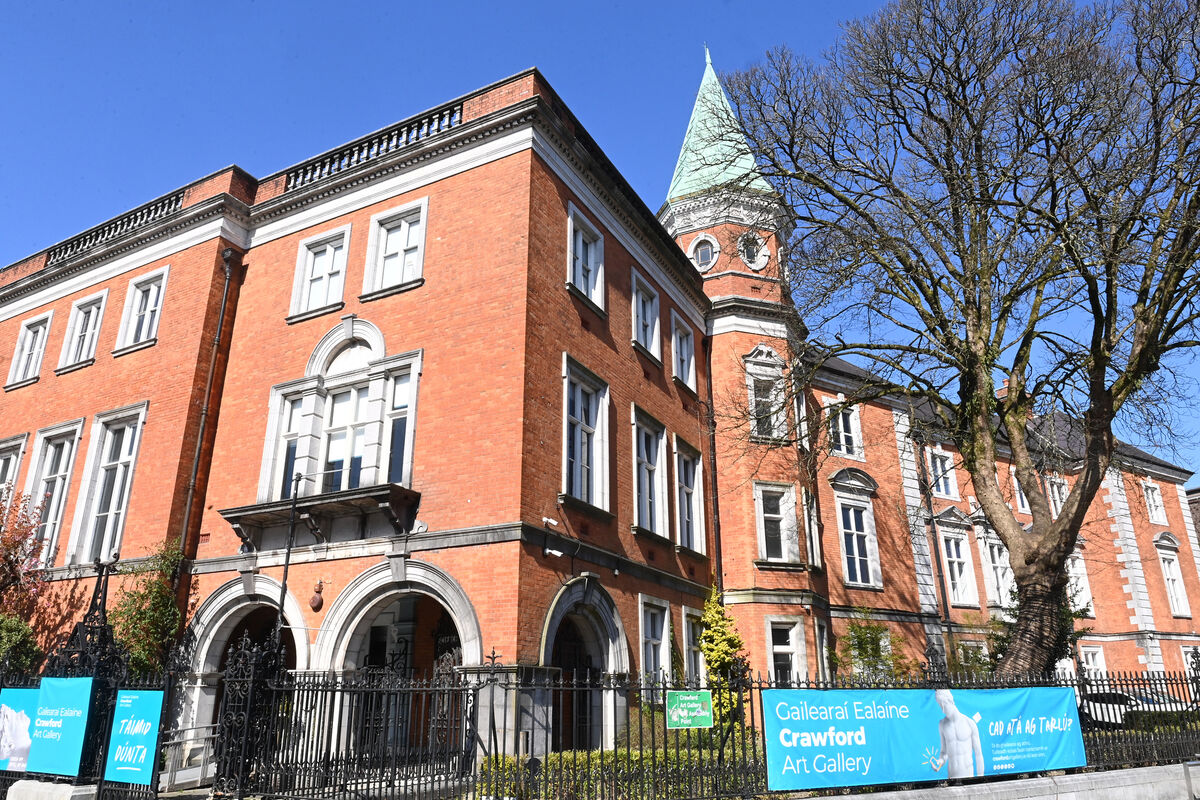
I always loved the Crawford Art Gallery. As kids, my mother would bring us up to the city from rural Cork, maybe half an hour drive away. We'd park in Paul Street car park. We'd do the shopping, but we'd always go into the Crawford Art Gallery. It was completely different to anything else that was on my radar, this big art gallery. I remember the feel of the place and the creaky floors. That day out experience, with this art gallery thrown into the mix, when I was young, had an impact on me. It guided me later on.
One painting I remember hanging in Crawford’s permanent collection was a Jack B. Yeats painting, (1948). I remember clearly there was a donkey in it somewhere. It was one of these expressionist paintings rather than an abstract painting because you could make out the features in it, but only if you looked quite closely and concentrated. I remember that being influential, this idea that art could be not representational, that you could create a sense of something that wasn't actually immediately apparent or visible.
BOOKS & MORE
Check out our Books Hub where you will find the latest news, reviews, features, opinions and analysis on all things books from the Irish Examiner's team of specialist writers, columnists and contributors.