IL
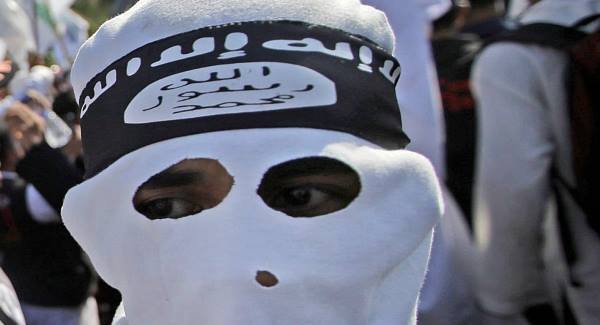
The answer of course is no, history is littered with instances of military alliances between nations that were previously intent on destroying each other.
However, a note of caution needs to be inserted into the increasingly strident demand that the destruction of IS outweighs all other considerations. The role of Russia in the Syrian conflict must be acknowledged, as it seeks to become the dominant power in the Middle East once again. Military coalitions by definition are most compelling and forceful when they are formed to deal with a shared objective, this is surely not the case with Russia and America, who hold divergent views about the future role of Bashar al-Assad, the Syrian leader.
When the position is ideologically fluid, and the ultimate goals of the actors more nebulous, their ability to withstand momentary failures can be weakened, especially when on the cusp of accomplishing a short-term objective. Then narrow national concerns inevitably surface; this would be particularly true when one considers mortal enemies like Israel and Iran might find themselves sitting at the same strategy meetings.
Effective coalitions will almost certainly have a lead nation, with selection for command and high office based on the scale of effort offered in financial and military terms, political clout, and the relative level of risk that each contributing nation will tolerate. This is an imperative, so who will lead, a weakened lame duck president like Obama, or a strongman autocratic Putin? The defining leadership role of this putative alliance, will as it always has been, decided by the nation that is prepared to commit and put boots on the ground. Once again, this seems more likely to be Russia.
In truth, we are perhaps looking at the antithesis of a true alliance, in reality, we are seeing a potential short-term coalition designed for a specific purpose, the destruction of IS. This, by definition, will be a partnerships of unequals; it cannot be anything else, considering the comparative political, economic, and military diversity of the potential participants. This is the great lesson of history, nothing is new, everything has a precedent.
CONNECT WITH US TODAY



Be the first to know the latest news and updates