Fergus Finlay: The road to a united Ireland got considerably longer this weekend
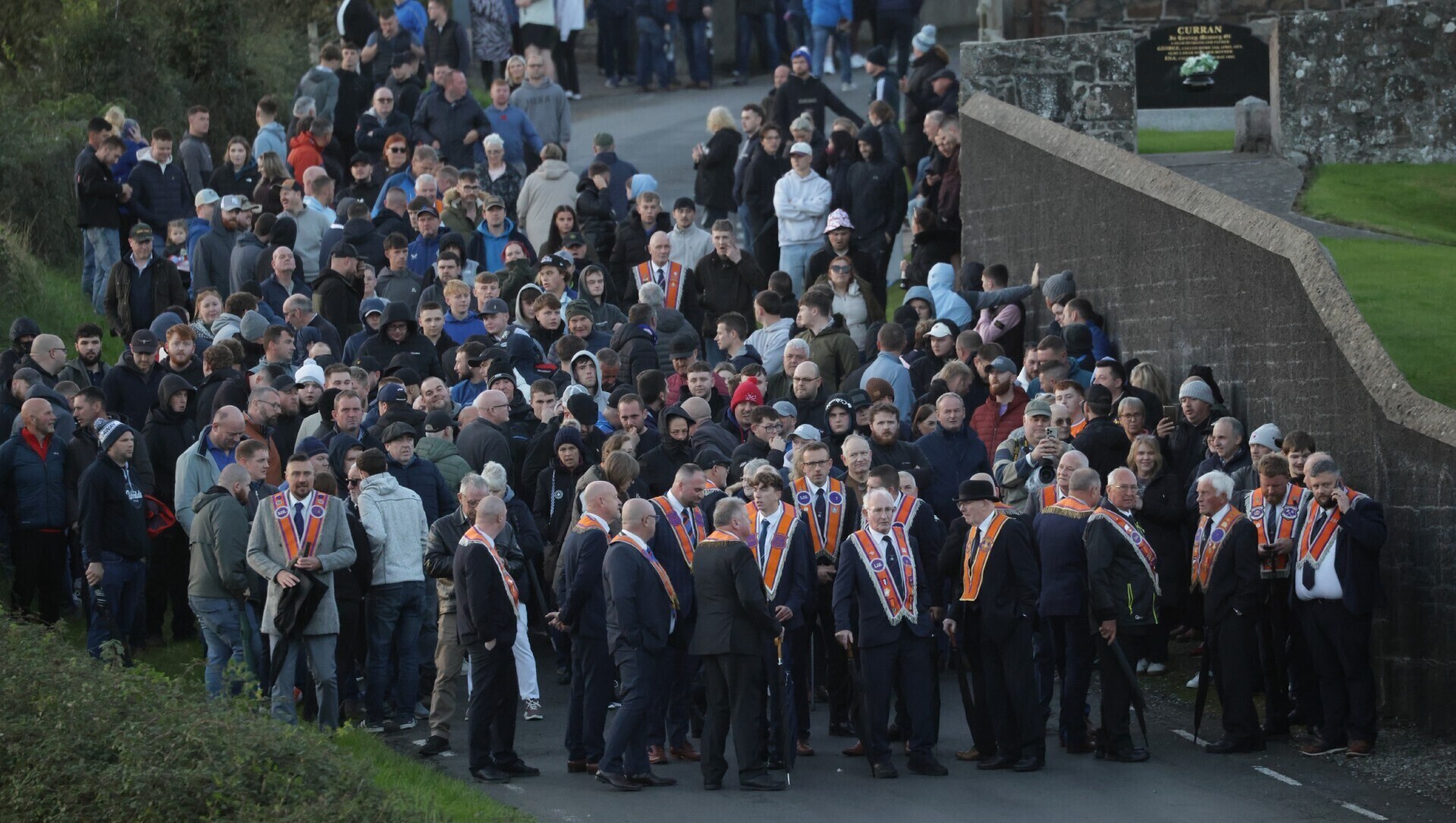
However it ends, the Drumcree standoff has revealed something we all knew already. The politics of Northern Ireland is as tribal as it has always been. Neither side in the standoff is looking for a peaceful way of settling differences with neighbours. Both sides want a win. Pictures: Peter Morrison/PA Wire
One headline after another. All about a border poll. Andy Burnham says no, and we all say “who does he think he is?”. To make matters worse, Micheál Martin agrees with him.
Then Sinn Féin goes off to Cardiff to meet with the Scottish Nationalists and Plaid Cymru. Together, they declare that Westminster’s time is at an end. Westminster doesn’t appear to notice.
Then Donald Trump lands in Ireland. Sinn Féin, of course, are the first to protest. But he more or less immediately declares Irish unity is the most natural thing in the world. Oops, say Sinn Féin, and immediately start quoting him in support of their argument.
For more than a month now, there has been the impression at least of a growing momentum behind the debate on Irish unity and the demand for a border poll.
And then at the weekend, the Garvaghy Road. Orangemen determined to march, nationalists determined to stop them. Because, rightly or wrongly, the courts have decided the march should go ahead, the blockade preventing it is illegal.
And both the leader of Sinn Féin and the first minister of Northern Ireland are in the middle of the illegal blockade. Definitely not reflecting on what they would have said if (say) Micheál Martin had been filmed taking part in the fuel blockades here in the spring.
Read More
It doesn’t matter that the Parades Commission made a ridiculous dog’s dinner of the Garvaghy Road “permission to march” saga. For nearly 30 years they said no to a march and that was the end of the matter. Suddenly, they change their minds, and instantly we’re all plunged back in time.
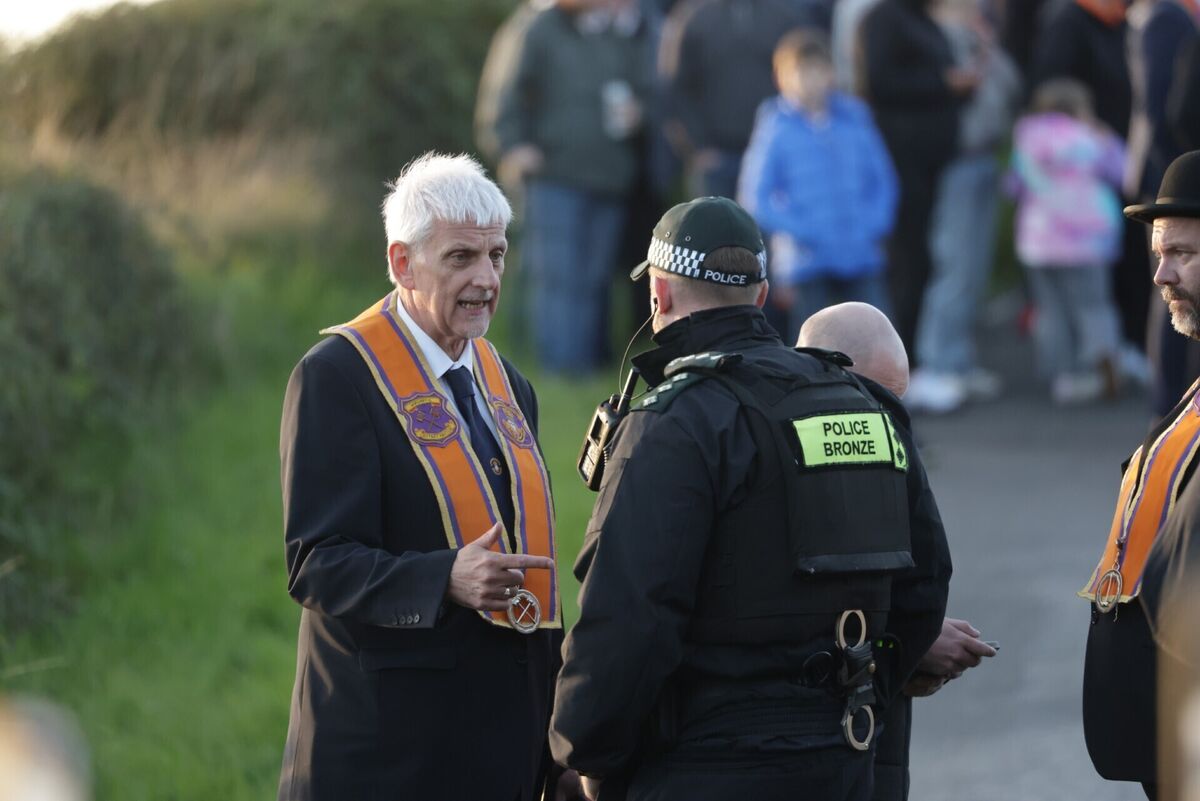
However it ends, the standoff has revealed something we all knew already. The politics of Northern Ireland is as tribal as it has always been. Neither side in the standoff is looking for a peaceful way of settling differences with neighbours. Both sides want a win.
The language is constantly escalating, with Sinn Féin on Monday morning talking about Orange supremacy. No matter how it’s couched, the intransigence of both sides means only one thing.
Is it possible at all to conceive of a situation where Orangemen (maybe without silly bowler hats) would march peacefully for the 15 or 20 minutes it takes down the Garvaghy Road, carrying banners that reflected a glorious past (as they see it) but also banners talking about a shared future together?
And as they marched, stopping now and again at refreshment stands set up by the residents, chatting together over a mug of tea and a sandwich?
The day that happens we’ll be ready for a border poll. But right now, that’s beyond imagining. Yes, this march should never have been allowed. But the fact it was allowed forces us once again to confront the blindness on both sides of sectarianism in Northern Ireland. The zero-sum politics of Northern Ireland clearly haven’t gone away, you know.
And it’s not just up there. We’ve never asked ourselves the question down here about what we’d be prepared to do to encourage or facilitate a united Ireland — which is to say a place where Unionists would feel as welcome and valued as nationalists, where progress would never depend on religious affiliation.
Asking that question means asking what we might be prepared to give up. Years ago, Garrett FitzGerald as taoiseach established a working group of very senior civil servants to explore, with no holds barred, what the Republic could do to facilitate greater unity on the island of Ireland.
The first meeting of that group was warned in no uncertain terms if complete unity was possible in the morning, and it cost a single additional penny in public expenditure, it would be opposed tooth and nail by Ireland's Department of Finance.
Has that changed? The annual subvention given by Britain to Northern Ireland has been estimated at anything between €1.5bn and somewhere north of €11bn. That higher figure includes a lot of stuff that wouldn’t necessarily transfer if Northern Ireland were to leave the UK and join us — defence spending, for example.
And there are people who say we don’t have to worry about the lower figure either, because the energy that would be unleashed in a united Ireland would send economic growth into the stratosphere.
West Germans suffered a lot of pain in the years after the unification of Germany. They could afford it, perhaps, and they certainly seemed to agree the price was worth paying. Would we? The most recent opinion poll on the subject suggests we’re a million miles away from saying yes to any extra cost.
And the money is only part of the issue. Are we happy and content to insist that in a united Ireland, a million Protestants would be governed from Leinster House and Government Buildings? They could run for the Dáil, we’d say, and we’d design 10 new constituencies. And sure, maybe they could be part of the government in the future, the way some Independents are now.
Or do we need to take a fundamental new look at how Ireland is governed, locally, regionally and nationally? Could we end up with a United States of Ireland, or a system of self-governing cantons like Switzerland? Should we?
Should we at least start talking about these things? Should we not be asking everyone who wants a border poll now to set out their stalls around all these issues, so we can all form a clearer, and truer, idea of what it really means?
And then there’s the “smaller stuff”. What are we prepared to give up when it comes to the role of the Irish language? Is our flag dispensable? Our national anthem? Would we be happy to guarantee the old age pension in Northern Ireland would be immediately increased (by around €15 a week, I reckon) to bring it into line with ours?
Will we guarantee the people of Northern Ireland that they won’t notice any difference at all when they transfer from the NHS to the HSE?
In the UK, the debate on the Brexit referendum was a classic example of the blind leading the blind. In the end, the winners were the ones who told the most effective lies, and when they won, they hadn’t a clue what to do next. Brexit has been an entirely destructive experience for the British, essentially for that reason. We can’t afford to make that mistake.
One of the few people actually giving thought to this stuff, to be fair to him, is Micheál Martin. But the more you read about his Shared Island initiative (it’s all there on the web) the more you realise how painstaking and, yes, slow you need to be.
The road to a united Ireland with consent involves an awful lot of inches. And a lot more were added this weekend.

CONNECT WITH US TODAY



Be the first to know the latest news and updates