Elaine Loughlin: Social media giants are too comfortable playing by their own rules
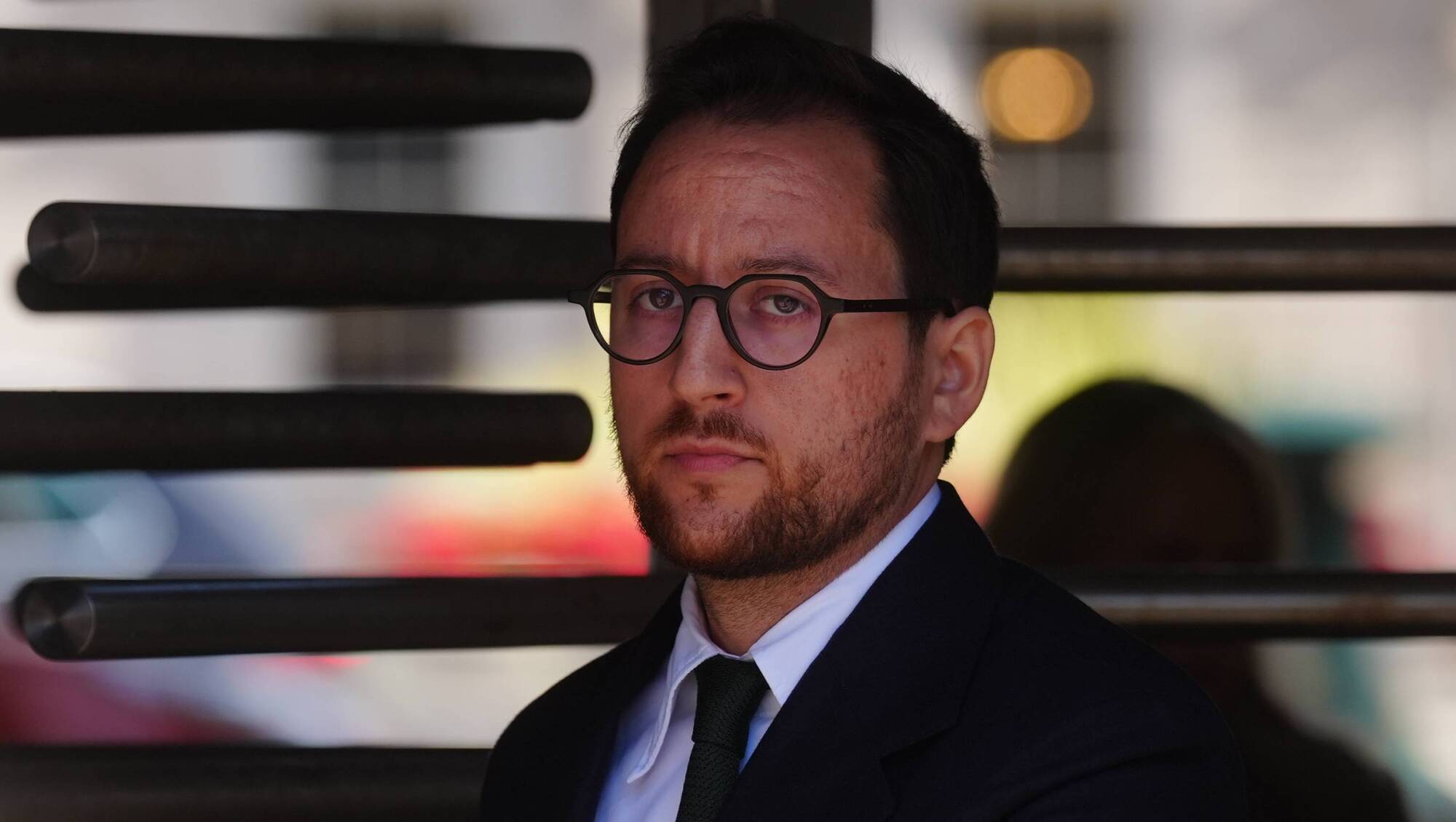
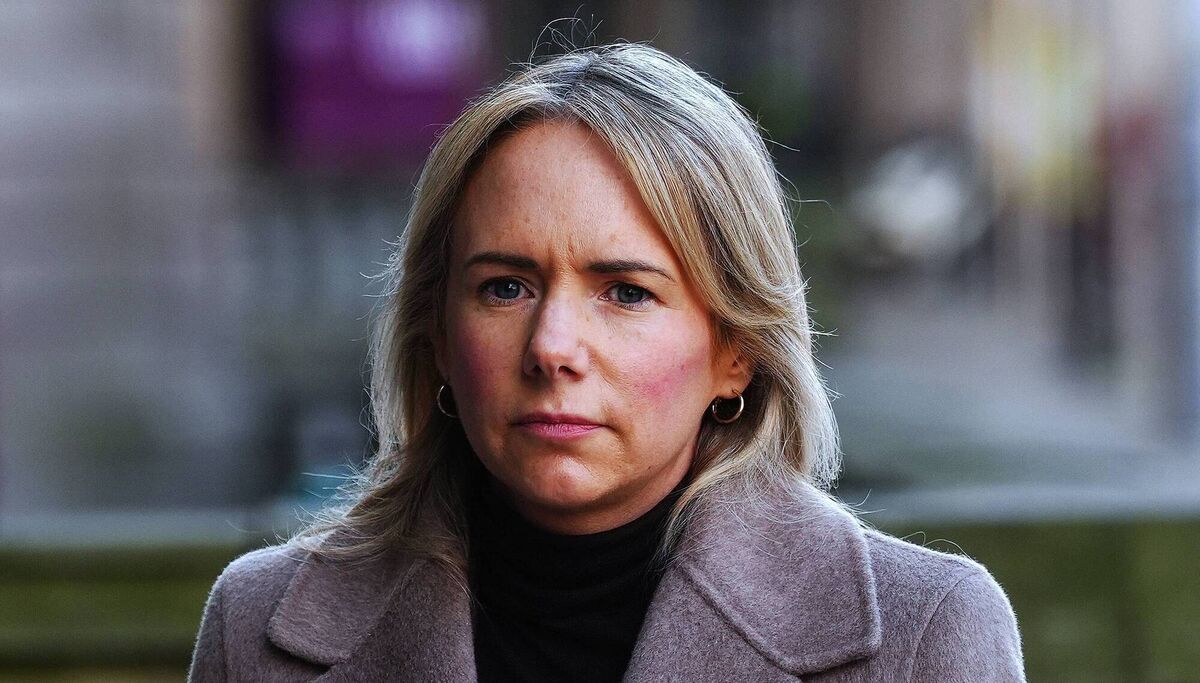
Zachary Hecht, the global head of policy at TikTok, leaving Leinster House after the Dáil
committee meeting over the issue of online
content promoting criminal activity. Picture: Brian Lawless/PA
Before he eventually resigned from the much-talked-about project, the lead architect on the White House ballroom had clashed with US president Donald Trump over design features that did not meet building safety codes.
When James McCrery II raised concerns over emergency exit routes, fire-containment measures, and other code breaches, the US president bluntly responded: “I am the code.”
Listening to Meta, Google, and TikTok over almost three hours at the Oireachtas media committee this week, it is clear that in their world, they are the code.
Social media companies don’t need to follow anyone else’s standards, they are far too powerful for that, they play their own game under their own rules.
If these standards don’t happen to align with Irish, EU, or any other laws for that matter, they simply pay the fines, which are factored into the running cost a global online platform, the same way as a local retailer accepts commerical rates.
Read More
This week’s meeting was organised in a bid to get answers from the social media companies on what they are doing to address viral videos featuring and glorying illegal driving, car thefts, and wrong-way driving by teenagers.
Representatives of X didn’t even see the need to turn up. TikTok, the chosen platform of many teenagers involved in this type of illegal behaviour, initially refused the invite to attend, but in the end joined Meta and Google representatives.
42,000 clips removed
TikTok, which has 2.5m active users in Ireland, did reveal that 42,000 clips containing “dangerous activity and challenges” from Ireland were removed from the site in the first half of the year, a category which includes illegal driving, but also covers “risky behaviour at certain heights, use of tools in an inappropriate and dangerous manner”.
It’s important to note that those 42,000 clips relate only to activities in the “dangerous activity and challenges”.
In confirming this, TikTok’s global head of policy in trust and safety Zachary Hecht rattled off a number of other categories including gender-based violence, hate speech, bullying, theft, and exploitation that all sit within separate categories in the platform’s “community guidelines”.
The number of takedowns across these separate categories was not provided.
In the wake of the M9 crash last month, in which five masked teenagers were killed after driving a BMW the wrong way down the motorway, TikTok carried out a further trawl of content which identified 1,600 videos, related to “the broader category of vehicular theft, highly risky driving, and behaviours related to that”.
It took some effort from a number of committee members to obtain a further distillation of the numbers, with Hecht eventually stating that out “of that 1,600, it is under 2% of that number that is has any indication of wrong way driving”.
He agreed, when pressed yet again, that this amounted to around 30 clips.
Expressing disbelief, Fianna Fáil TD Peter ‘Chap’ Cleere told Hecht that he had personally seen far more than 30 videos where drivers were going the wrong way on motorways, some of which had been viewed tens of thousands of times.
Lacking data
While lacking many of the key pieces of information politicians asked for, TikTok did come armed with some statistics it was more than willing to share with legislators.
For example, 83.4% of illegal or dangerous videos were removed before they were viewed, when videos with fewer than 10 views were added, this figure rose to 86.5%.
However, the platform could not provide details around how many people had watched the other 13.5% of clips.
It’s an obvious thing to state but taking down the majority of videos before they reach a wide audience is almost meaningless if the ones left up amass millions of likes, shares and watches before they are eventually taken down.
Politicians tried to put the same question to officials a number of times, asking if representatives could say how many views the most-watched clip had amassed. It was a frustrating experience both for the committee members and those watching proceedings.
Committee chairperson and Labour TD Alan Kelly strongly hit out at the social media representatives, describing the lack of information as “concerning”, and asked those in the room to send a text of email to colleagues to get the figures.
“I don’t think you should appear in front of the committee without the figures," he said.
He suggested that online platforms should be held criminally responsible if they fail to act, adding that fines are not going to work because they are now “built into the baseline” of these companies.
The figures requested by the chairperson were not supplied by the time the meeting wound up.
It stretches all credibility that a company which has a business model that centres around selling advertising off the back of eyes on screens, would not have data on viral videos.
Incentivising virality
Indeed, the site incentivises people to make videos that will be watched thousands or even millions of times. Under its Creator Rewards Programme, which has been rolled out in a number of countries but currently does not currently operate in Ireland, TikTok pays users who have more than 10,000 followers and reach more than 100,000 views on their content.
“We are constantly working to ensure that our moderation systems are highly effective and that we are proactively addressing and removing harmful content,” Hecht told politicians, when pushed for more detail on the raw data.
When questioned on how many dangerous videos were “amplified” by the platform’s algorithms and recommendation system, there were no figures to show.
There was also no answer when Fianna Fáil’s Padraig O’Sullivan TD asked: “If I’m a child and I’ve clicked on one dangerous driving video, how likely is it — or can you maybe explain how this algorithm that everybody’s talking about works — is it likely that I will receive more and more suggestive content like that?”
After almost three hours, Kelly and his committee members were still left without the basic facts sought by many members.

“You said that you will have those figures to us by Friday, is that correct?” Kelly said in one final frustrating interaction with the platform’s representatives.
“We will endeavour to do that, chair,” TikTok’s head of public policy and government relations Susan Moss said.
“Ok, can you?” Kelly responded.
“We’ll do our best.”
There was a long pause, as Kelly stared the representative down.
“We’ll commit to getting you those numbers,” she added.
“Ok, that’s more like it.”
'You're going to be held liable'
Earlier, Kelly had used tough words calling for radical change in relation to how social media companies are monitored and regulated.
“The whole dial is going to have to change," he said.
"Instead of countries trying to meet your requirements, you’re going to have to meet our requirements.
"And if you don’t meet those requirements over a period of time, based on an audit, based on a percentage of failing, well, then you’re going to have to be held criminally liable.”
While headline-grabbing, social media companies know that any change to regulation at EU level advances at such a slow pace that further measures to hold the platforms responsible, are not something to worry about in the short or even medium term.
TikTok may have agreed to step onto the political stage this week, but it is clear that the social media giants are taking direction from no one. They don’t have to.
CONNECT WITH US TODAY
Be the first to know the latest news and updates

More in this section