A discredited system - Let us revive our debased democracy
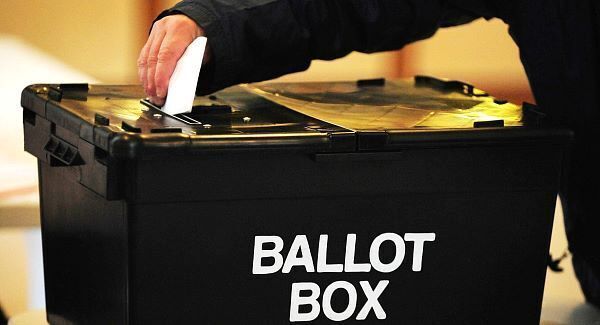
They will be an assessment of individuals and of parties and of how they used or misused power, of how they realised or squandered opportunity, of how they honoured or set aside the mandate entrusted to them at the last round of elections.
The European elections will be an assessment of the myriad, increasingly diverse parties and the tomorrow they promise — or threaten. The local elections are the moment we will decide on those who offer themselves as local public representatives. That process assumes a new importance this week as the foundation layer of politics has been utterly changed since the last local elections. The elections will also be an opportunity to pass judgement on how those elected dealt with the circumstances they inherited. In this context, it is more than a cause for celebration that economic chaos was avoided, economic stability restored, and the prospect of growth becomes more real every day.
But, as the fragmentation revealed in nearly all of the pre-election polls suggests these elections are also a vote, maybe a crossroads one, on the public’s capacity to sustain a worthwhile, working belief in the political process, the political establishment and politicians’ capacity, or plain willingness, to remake our public life and society in a way that honours the spirit of optimism that animates real democracy.
That nearly all opinion polls predict a thrashing for the traditional, conservative parties grown accustomed to power underlines this. That something around half of those entitled to vote may not points to a deeper, far more dangerous malaise — the pointlessness, the cynicism, the delusion and despair of detachment.
Our government parties, especially Fine Gael, cannot be surprised if their support falls to a point close to collapse because this administration has been, and this is terribly disappointing, characterised by the very behaviour it campaigned so vigorously against.
Three years after it was cheered into office with an all but impregnable majority on the promise of, among other things, a new commitment to openness and transparency in public affairs and reform of public administration, it can be fairly accused of the grossest hypocrisy, obstructionism and feebleness.
Its disingenuous, repeated rejection over many months — and, in former justice minister Alan Shatter’s case, years — of the vindicated allegations by garda whistleblowers was an appalling betrayal of their mandate and obligations.
So too was the stonewalling around the still unfolding medical cards’ debacle.
The election-week, Damascene conversion to the widely recognised and long-held view that there is a housing crisis that needs urgent attention is another, disappointing indictment of a coalition seemingly intent on becoming as venal as its predecessors.
The autocratic dismissal, the disinterested and unheeding rejection of a litany of rural communities deep and justified concerns around the impact of pylon plans suggests an indifference to peoples’ legitimate concerns utterly inappropriate and unacceptable in a democracy.
That Taoiseach Enda Kenny was a lead player in these charades of deception, this denial and spin doctoring of Blair-esque proportion and deceit, just rubs salt into the wounds of the electorate that so forcefully, and in such an out-of-character way, demanded profound change and reform in February 2011.
If this was, to use the vernacular of today’s politics, just another round of Punch-and-Judy knockabout, it could be dismissed but it is not. This the very behaviour that destroys the integrity of politics, the possibilities of democracy and the very raison d’être of voting tomorrow. The real crime is that it casts a shadow over the whole process of politics, that it makes it almost impossible to belive in the integrity and possibility of participatory democracy. It is likely that this disenchantment will manifest itself in a an increasingly fragmented, ineffective, fractious, bizarre and disheartening body of political representatives when tomorrow’s votes are counted.
Napoleon asked God to send him lucky generals. Tragically, we must ask someone, anyone, to send us political leaders of nearly any hue who might inspire confidence and act consistently with integrity and vision. What a numbing tragedy it is to have to acknowledge this on the eve of a process that should be a celebration of democracy and an honourable vindication of those who secured it for us all.


CONNECT WITH US TODAY



Be the first to know the latest news and updates