Garda crisis - Time for a new culture to be built
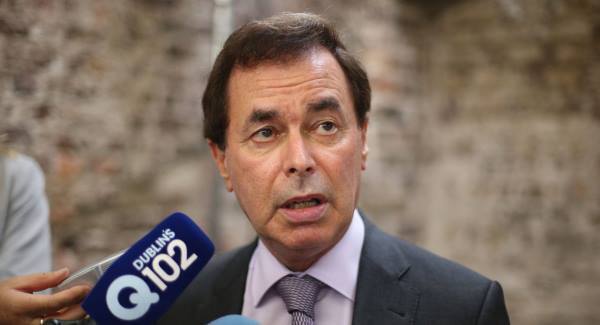
The great urgency, the immediacy and daily newsworthiness of the story has fallen back a notch or two but it is essential that the issues raised be resolved. Now that the Punch-and-Judy political points scoring, the discrediting Dáil Donnybrook are out of the way, it may be possible to begin the process of changing how our police force is policed so we never reach this sorry, divisive point again.
To his credit the minister for justice has begun that evolution but, just like his colleague’s Health Minister James Reilly universal health insurance proposals, judgement will have to be deferred until a final set of proposals are made.
It is essential that the real focus is put on the issues rather than the personalities and their polarised, almost irreconcilable positions. In time, not very long in the grand scale of things, we will have a new minister for justice and a new garda commissioner, but unless the GSOC bugging and garda whistleblowers’ ordeal are dealt with in a way that brings clarity, a new degree of credibility, obligation and a far less defensive and dismissive culture to the officer class in the gardaí, then it is only a matter of time before the next demeaning scandal breaks. That so many senior gardaí sill do not accept that this fundamental change is essential is probably the very best argument for it.
It would be more than unhelpful to suggest that the inquiry, review, overview, call it what you will, be extended to consider the cultural and training issues that have shaped our police force, the great majority of which behaves in an admirable and honourable way despite daily challenges most of us would run a mile from. That this development process is so very influential suggests it is worth considering how it might be changed to improve the lot of everyone, especially the gardaí.
Two obvious issues are the distance from peers and the society they will police that garda recruits face when they go to the training college in Templemore. This may foster a strong esprit de corps but the experience — and challenge — of mixing with their contemporaries at one of the country’s other third level institutions might shape tomorrow’s gardaí in a way that would make them even more representative of the society they police. It would certainly offer a world view different to the one held by what has been disparagingly described as the Blue Brotherhood.
Another issue is how officers are appointed. Every garda officer begins their career as a garda and though this is a fine system, it seems needlessly limiting, especially as we already have accepted the idea of officer cadets in our armed services. It is hard not to think too that suitably qualified people in the private sector should be allow apply for a percentage of officer vacancies in the force. This has happened at the highest levels of our civil service so why not in the gardaí?
A combination of all three recruitment paths seems ideal but that will never happen until government decides that such fundamental change is necessary — and faces down those who would oppose it.
CONNECT WITH US TODAY



Be the first to know the latest news and updates