Ireland’s recovery - Kicking can down road will not help
First the good news: Ireland’s economy is forecast to experience a resurgence in 2014, its first full year after emerging from the bailout, according to the Economic and Social Research Institute, the nation’s leading think-tank.

Ireland’s recovery - Kicking can down road will not help

The ESRI says the economy, measured by GNP, will have grown by 2% this year and it forecasts growth of 2.7% next year.

More importantly, the domestic economy — measured by GDP — has already grown for the first time since the economic crisis began, and recent data on employment growth and tax returns has led the ESRI to raise its forecast for further growth.

The think-tank predicts that GDP will have grown by 0.3% this year and by 2.7% in 2014, led by both exports and consumer spending.

An increase in employment is likely to be the main feature of the country’s recovery, according to John FitzGerald of the ESRI, with unemployment falling from a peak of 15.1% last year to 9.6% by 2016.

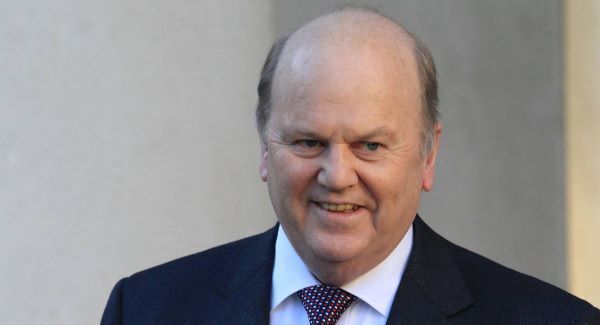
Now for the not so good news: Ireland continues to suffer in the wake of one of the most severe recessions on record. We also continue to have one of the highest levels of national debt, something that no amount of spin by Finance Minister Michael Noonan can disguise.

Much was made earlier this year of the deal made on the promissory notes. These are IOUs issued on behalf of the people of Ireland by the Government. Like sections of the IRA, they have not gone away.

Late last month, United Left TD Joan Collins lost her High Court challenge to the issuing of €31bn promissory notes in favour of Anglo Irish Bank and the Educational Building Society.

Ms Collins argued that the powers given to the finance minister to create €31bn sovereign debt via promissory notes amounted to an unlawful “blank chequebook” to spend public money without limit.

The court found that, notwithstanding the controversial nature of either the original bank guarantee of 2008 or the issue of promissory notes, the Government was on solid legal ground.

That does not alter the fact that decisions made by both the former and current governments means the Irish taxpayer has been made liable for the poor investment decisions of mostly foreign investors, among them German speculators and French banks.

The end result is that we have some of the highest debt burden in the world. Expressed as a percentage of GDP, Ireland is surpassed only by Italy, Greece and Portugal within the EU. Sweden has one third the level of Irish debt and even impoverished Bulgaria has a national debt that is barely one eighth of Ireland’s.

That is a reality that cannot be ignored, no matter how gleeful the triumphalism of the Government on exiting the bailout programme.

There may also be speed bumps along the way to recovery. Ireland’s economy grew 2.2% in 2011 but then by only 0.2% last year, so growth is not inevitable.

Wishful thinking and kicking the can down the road will not solve Ireland’s long-term economic debt. It must be dealt with now. That means we need to show what the Spanish call cojones when dealing both with the ECB and our international creditors.

x

More in this section

Revoiced

Newsletter

Had a busy week? Sign up for some of the best reads from the week gone by. Selected just for you.

Cookie Policy Privacy Policy Brand Safety FAQ Help Contact Us Terms and Conditions

© Examiner Echo Group Limited