Hummingbird hawk moth spotted in Cork as climate change brings more southern species to Ireland
We are likely to see more exotic species in Ireland in the coming years due to global warming.
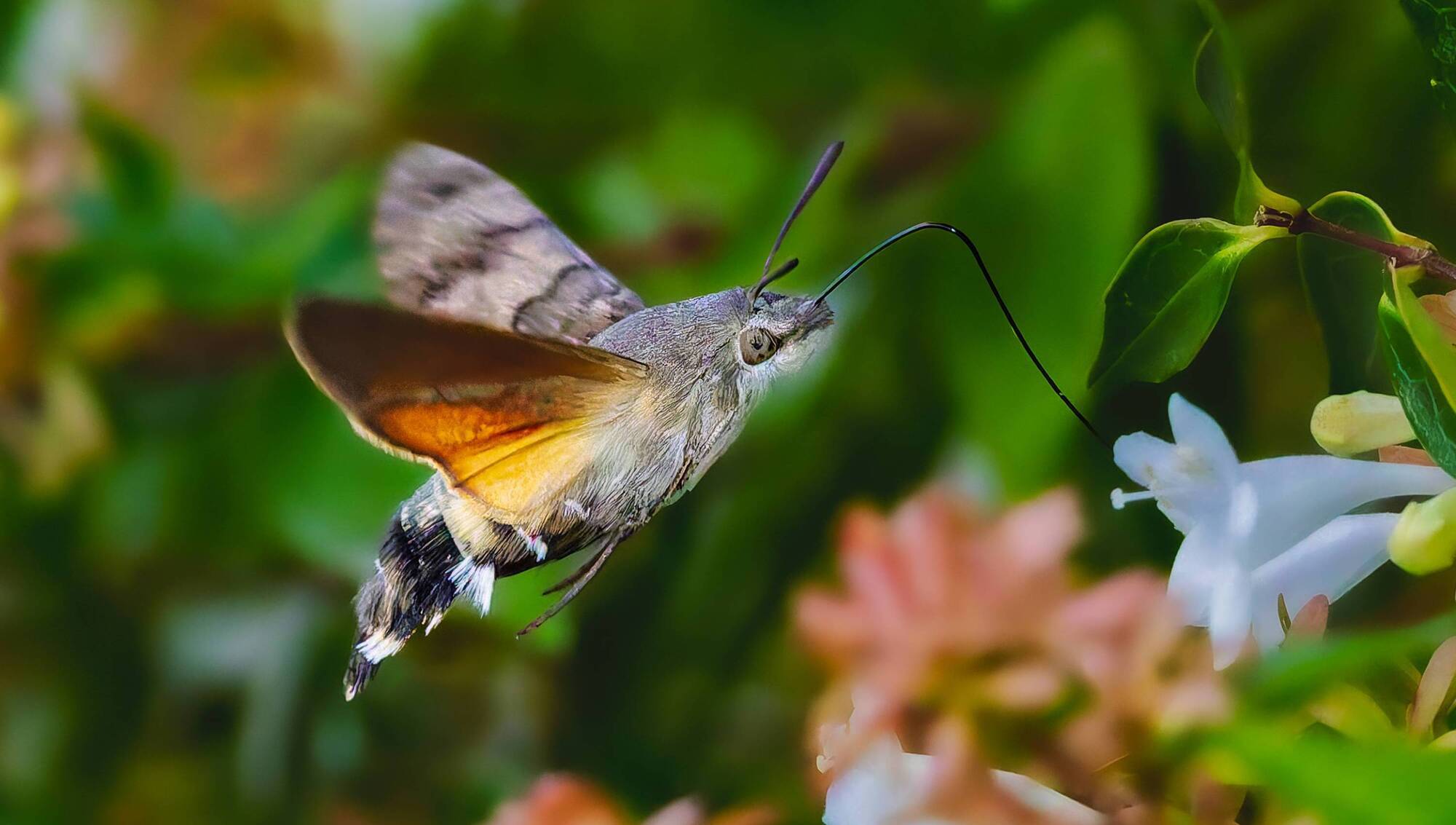
It looks almost exactly like a small hummingbird and beats its wings nearly as fast. But it’s actually a moth and has been appearing in greater numbers in Irish gardens this summer, having migrated from its usual feeding grounds in the Southern Mediterranean and North Africa.
Experts say it is one of a number of more "somewhat exotic species" we are likely encounter in the years to come in Ireland as global warming takes an increasing hold on this country.
The hummingbird hawk moth has been seen recently in several parts of Co Cork and if temperatures continue to increase it could well start breeding here for the first time.
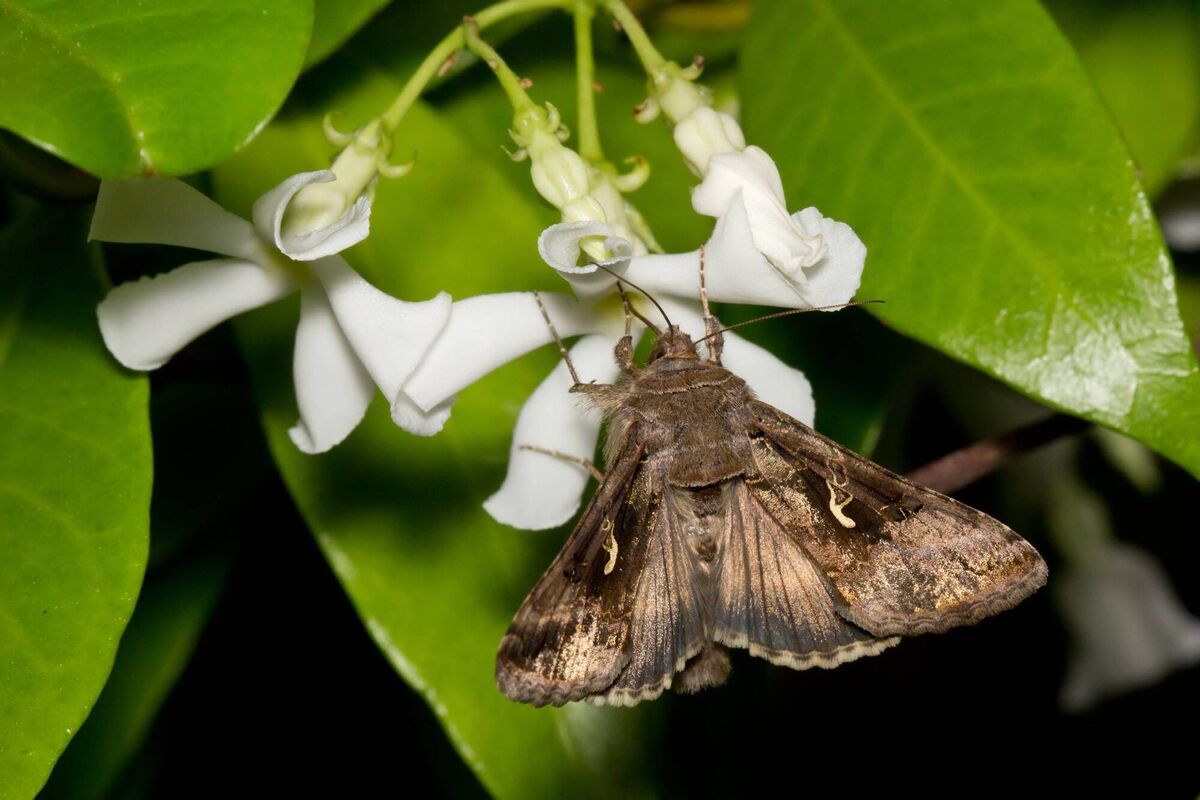
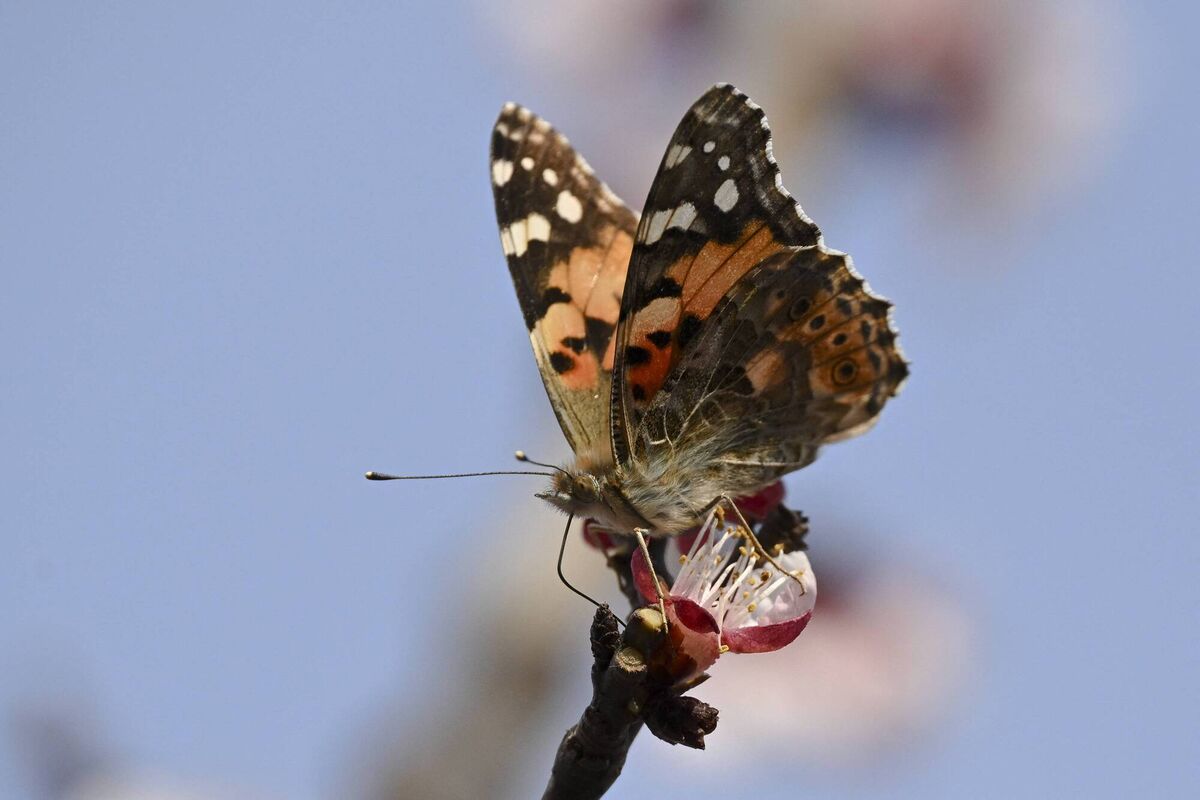
Other species are also coming to this country in far larger numbers this summer, including beautiful butterflies such as the painted lady, the clouded yellow and the silver Y moth, all of which are also native to the same areas the hummingbird hawk moth would traditionally inhabit.
Dr Fidelma Butler, senior lecturer at the School of Biological Earth and Environmental Sciences at UCC, said the increased hummingbird hawk moth numbers were likely to be a result of the heatwave, but the number of major wildfires on the continent could also be a contributory factor as they have destroyed some of their usual feeding grounds.
Dr Butler said as Irish winters get warmer and drier, it’s a possibility they will start breeding here. They are already overwintering in Kent, England.
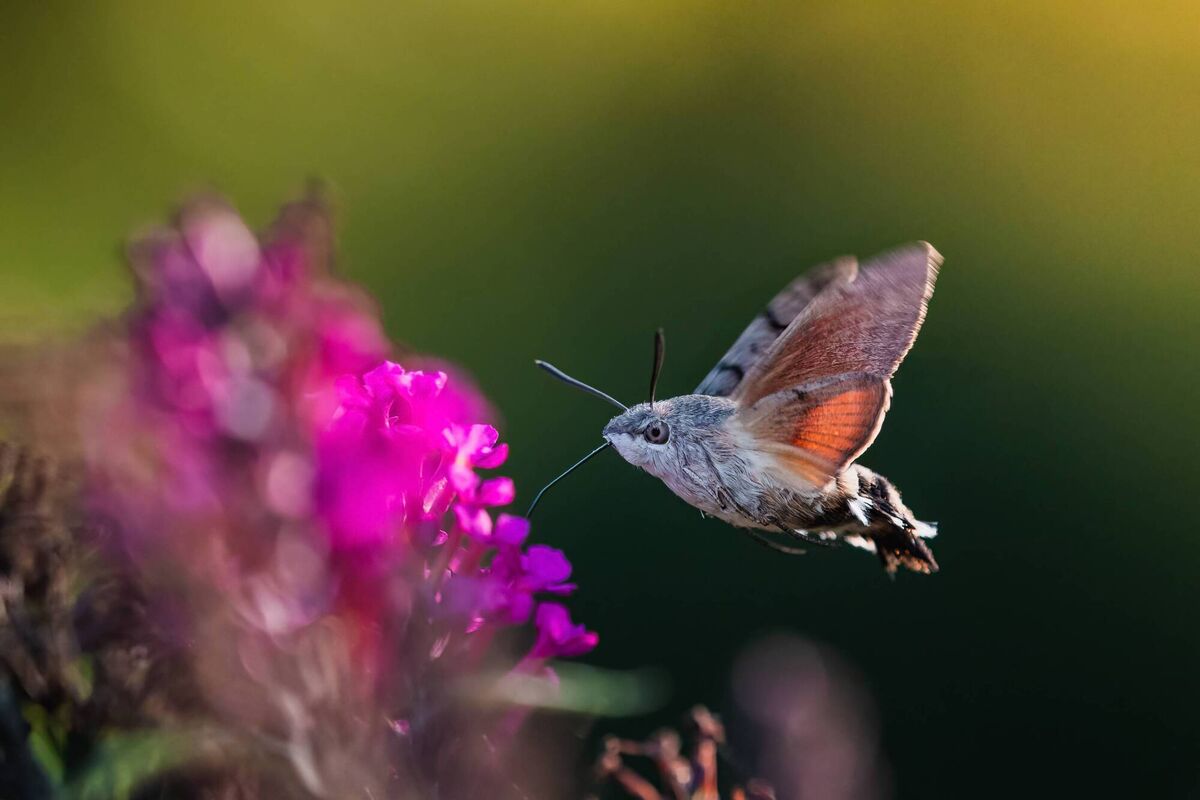
If gardeners want to help, they should grow red valerian and buddleia, which are the moths’ favourites for the nectar they need.
“They can fly huge distances and up to [an altitude of] 500m, so they are carried by the winds blowing here,” Dr Butler said.
“We have had lots of painted lady butterflies. They started arriving in late spring and then in large numbers in the summer. They’re coming up from North Africa, the Sahara Desert and they breed in Spain and France. There are also more clouded yellow butterflies. The [very warm] weather here has kept them going,” she added.
Read More
Dr Butler said there had also been a noticeable increase in the number of moths flying around after dark due to the high nighttime temperatures.
Fortunately, unlike last year, Ireland has not seen unwelcome visitors such as the Asian hornet, which can devastate native bee species.
She said this was because in the spring of 2025 there was a warm period which led to a lot of growth, and this provided favourable conditions for that invasive insect to thrive here. However, last spring was one of the wettest on record and this curtailed plant growth, which could not sustain the invaders.
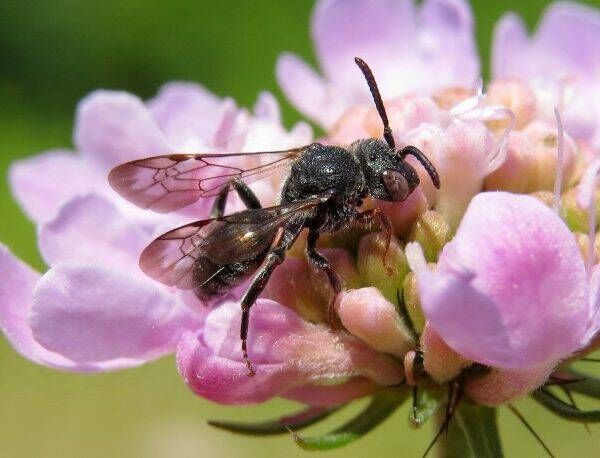
On a plus side for bees, All-Ireland Pollinator Plan Rare Species pollinator officer Joshua Clarke recently discovered a critically endangered silver-sided nomad bee in Co Offaly.
The insect had not been seen in this country since 2000.
These bees are ‘cleptoparasites’, meaning that, similar to a cuckoo bird, they lay their eggs in the nest of a host species. Their larva then steals host resources, such as collected pollen, to complete development.
The host species for the silver-sided nomad bee is the solitary small scabious mining bee (Andrena marginata).
Both species are assessed as "critically endangered" on the Regional Red List of Irish Bees, with the silver-sided nomad bee further assessed as vulnerable in Europe due to a noticeable decline in its numbers.
Nature and biodiversity minister Christopher O’Sullivan said changes of species on land, in the air and in the sea are happening in Ireland a lot quicker than wildlife experts had initially suggested.
He said on land there are extended periods of hot weather, especially on the continent, and a lot of traditional feeding grounds for wildlife are drying out, forcing them to forage further north for food in places such as Ireland.
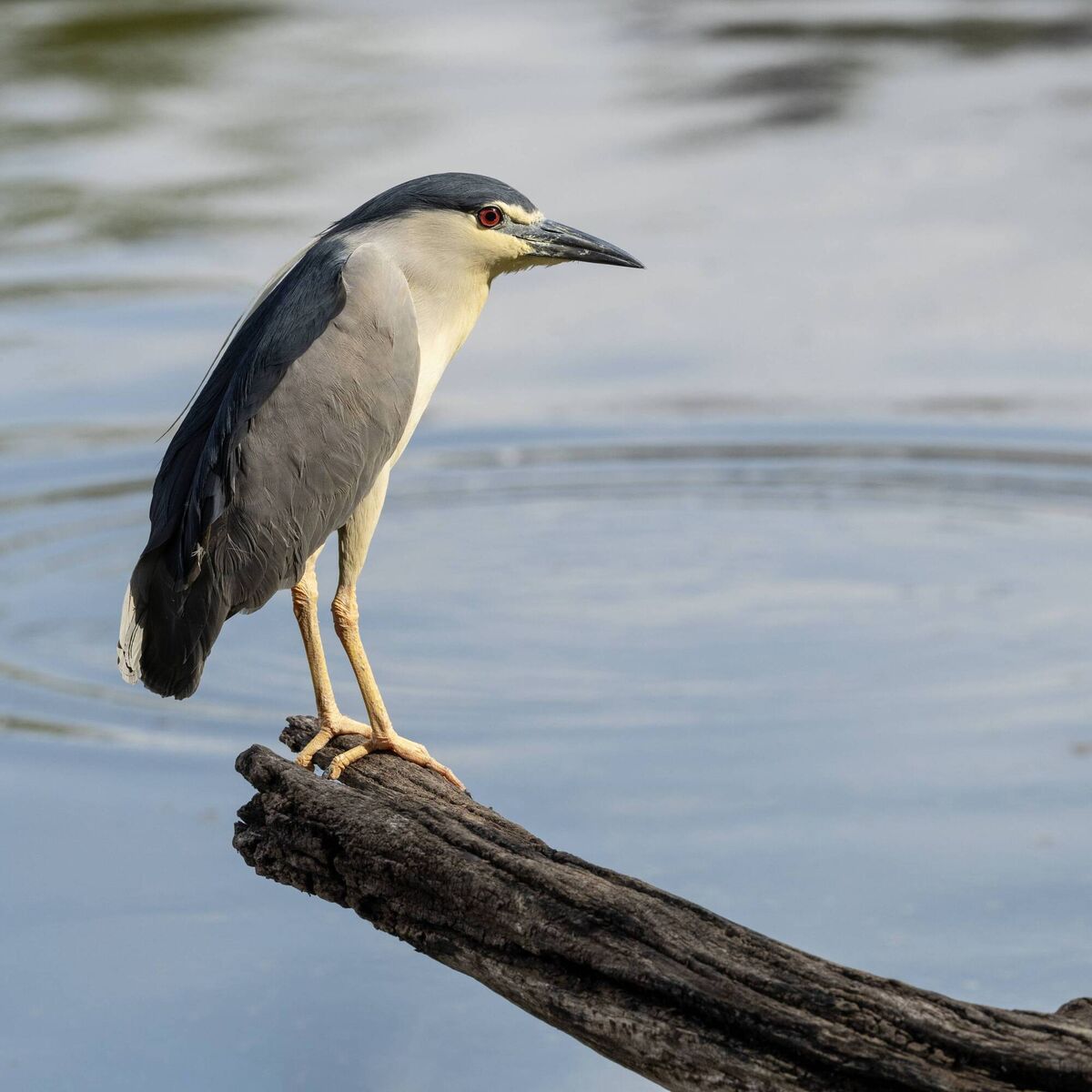
Mr O’Sullivan, who for years has been known as an avid bird watcher, said three years ago there was “a massive influx of the night heron [a smaller version of the grey heron] to these shores from southern climes.
“Birdwatch Ireland and ornithologists tried to figure out why? They figured out that a combination of increasing wildfires and the loss of ponds and wetlands in continental Europe was the reason. Habitats were drying out there and we’re seeing these events happen more often, and thus there is more pressure on species which usually live there, and they are moving outside their normal range,” he said.
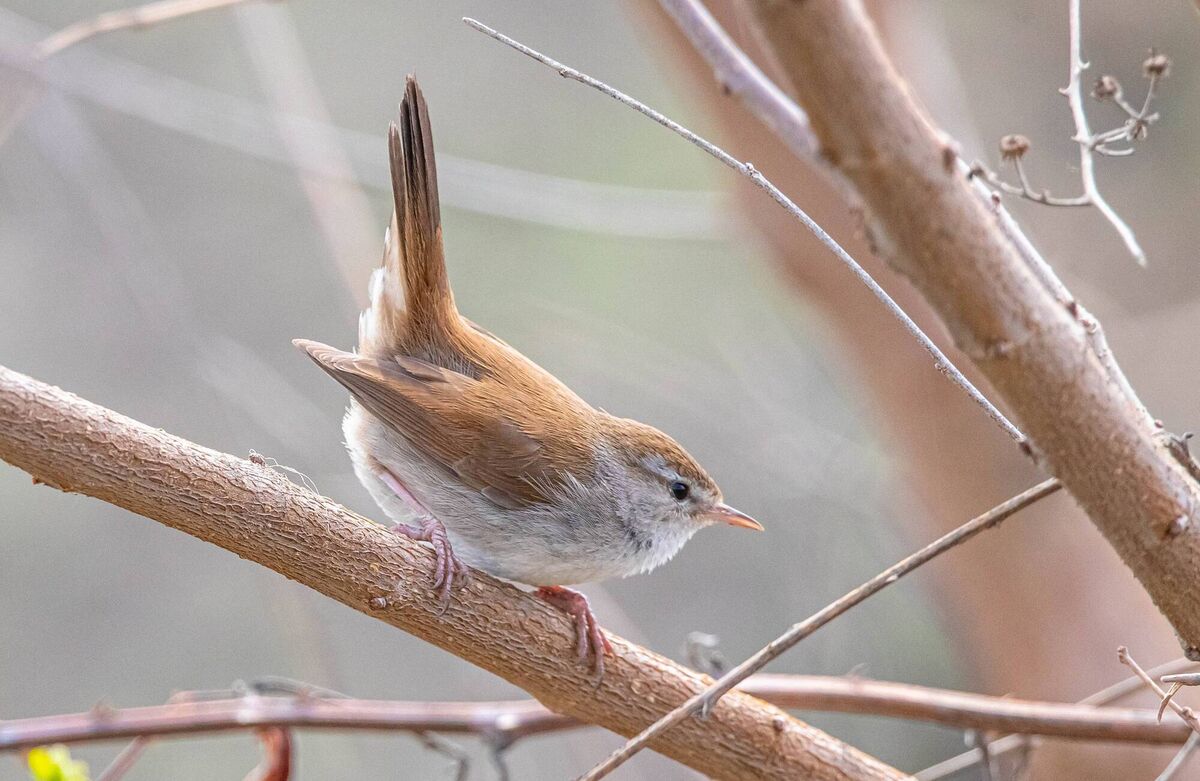
Mr O’Sullivan then recounted birdwatching “five to six years ago” when a cettis warbler was spotted in Ireland for the first time, in Co Cork.
“This was a mega rarity visitor at the time for birdwatchers. Their main populations were in Spain and France. Now since then, in just a short time, there are not only more of them coming here but there are multiple pairs of the birds breeding here,” Mr O’Sullivan said.
He added that recently a flying fish, normally associated with living in tropical waters, was washed up on the coast of Co Cork.
Traditional catches for Irish fishermen are being depleted as their quarries moves to colder waters in the north as ours continue to warm.
This presents both difficulties and opportunities.
In recent years, humpback and fin whales (the latter being the second biggest creature on the planet after blue whales) were traditionally best spotted off the southwest coast. Now they are being increasingly sighted off Donegal — shifting their range further north.
“This is because their traditional diet of sprat and sand eels are also shifting north to our cooler northern coastal waters and they are naturally following them [for their food],” he said.
Mr O’Sullivan said different types of valuable tuna are establishing themselves in increasing numbers in Irish waters.
Again, he said research showed this was happening quickly.
He acknowledged this presented an opportunity for Irish trawlers to capitalise on this, but, however, they are being put at a major disadvantage compared to some of their European counterparts because they do not have the quotas to fish for them.
“We need sustainable fisheries, but this is unfair on the Irish fisherman. It’s an opportunity for our fishermen with sustainable and profitable quotas as certain [new] species move more into our waters,” Mr O’Sullivan said.
Other species normally confined to hotter waters which Irish fishermen could also capitalise on are anchovies and sardines.
“They are now off the southwest coast in numbers we have never seen before,” he said.
According to Mr O'Sullivan, we have now reached a crossroads in terms of the wildlife we will see in future generations.
On the plus side, he said once exotic-looking birds like the little egret (often seen on the banks of the River Nile in Egypt) have now established themselves in big breeding colonies here.
A minus is the loss of the ring ouzel — a relation of the blackbird — which has a white breast. It lives in uplands and its habitats have been lost through global warming and some farming practices.
“Again, these birds are moving north, and they are all but extinct here now,” Mr O’Sullivan added.


CLIMATE & SUSTAINABILITY HUB
CONNECT WITH US TODAY



Be the first to know the latest news and updates