The usual suspects: Small, spiky and surprisingly mysterious
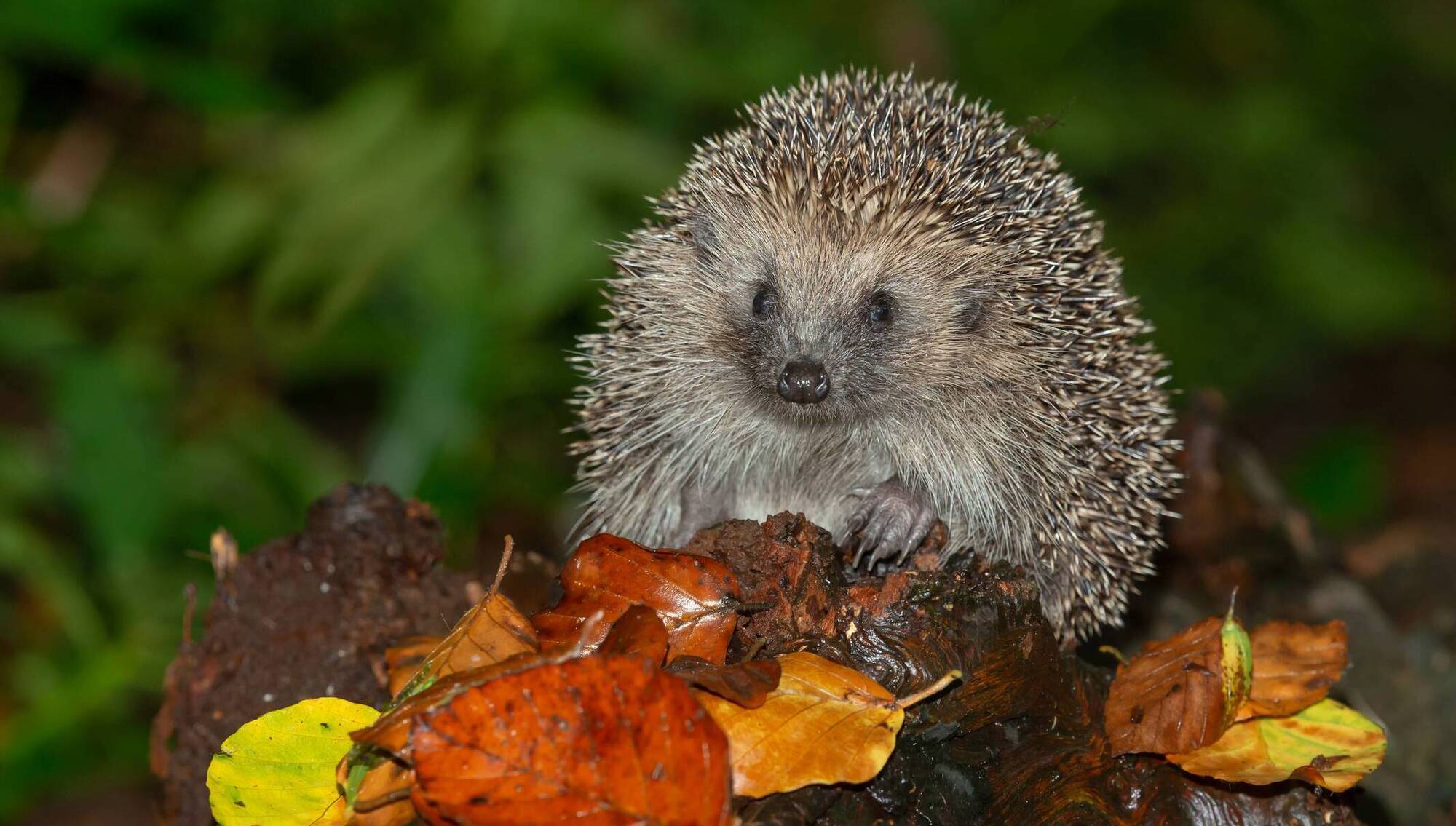
For an animal with a reputation for being shy, a hedgehog can make an extraordinary amount of noise. They snuffle, grunt and bulldoze through dry leaves with surprising enthusiasm. If something is causing an unreasonable commotion beneath the hedge after dark, a hedgehog is a reasonable suspect. Pictures: iStock
Few animals look more at home in an Irish garden than a hedgehog. They shuffle beneath hedges, rustle through leaves and generally behave as though they have always been here. They haven’t. Ireland’s hedgehog is the Western European hedgehog, Erinaceus europaeus, and evidence suggests it was introduced here during the medieval period, probably around the 12th century. Why it was introduced is less certain. One suggestion is that hedgehogs, which were eaten in medieval Europe, were brought here as food. Eight centuries later, they have rather successfully moved on from dinner to national garden furniture. And right now, they have one particularly important job, which is eating.
As October begins, hedgehogs are preparing for winter. Their nights are spent hunting beetles, caterpillars, earthworms, slugs and other invertebrates, building up the fat reserves that will help carry them through hibernation. Despite their reputation as slug-eating garden assistants, they are not especially fussy. If it is small, edible and unfortunate enough to be wandering through the leaf litter at night, it may be on the menu. Hedgehogs are mostly nocturnal, so dusk and the hours after dark are the best time to see them. Although, you are often more likely to hear one first. For an animal with a reputation for being shy, a hedgehog can make an extraordinary amount of noise. They snuffle, grunt and bulldoze through dry leaves with surprising enthusiasm. If something is causing an unreasonable commotion beneath the hedge after dark, a hedgehog is a reasonable suspect.
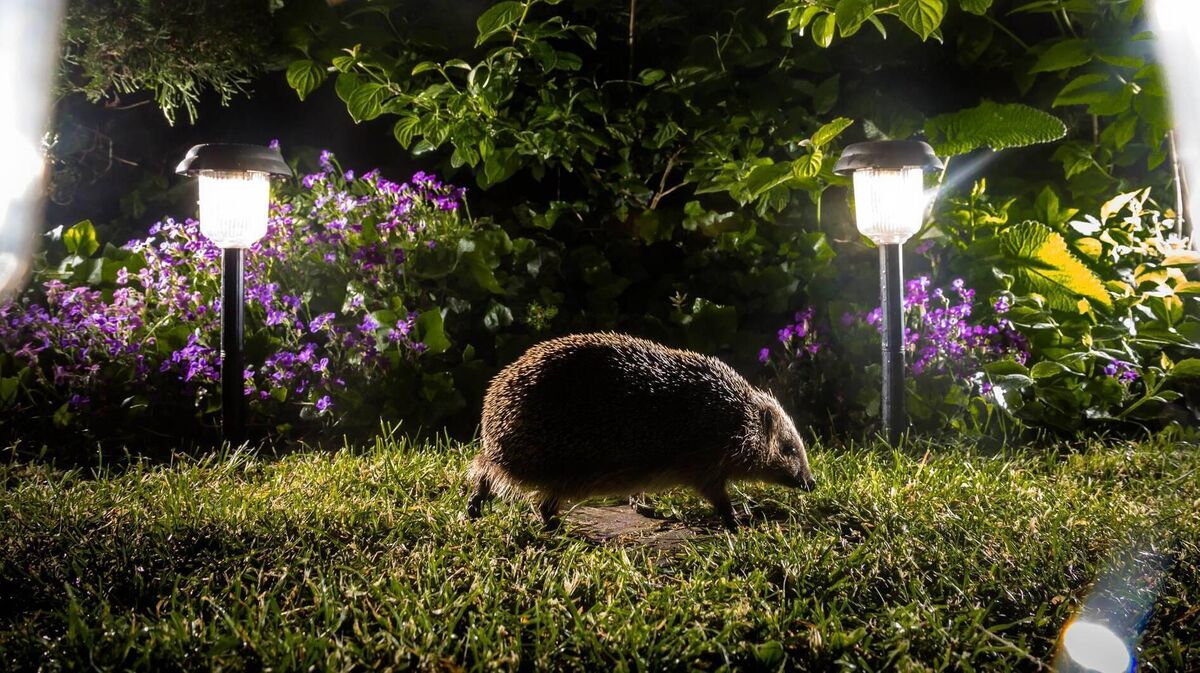
For such a familiar animal, though, there is one surprisingly basic thing we still do not know: how many hedgehogs Ireland actually has. The National Biodiversity Data Centre now holds thousands of hedgehog records from across the country. But records are not the same thing as animals. The same hedgehog may be spotted several times; some places are watched more closely than others and citizen-science surveys have encouraged many more people to start reporting sightings. So, Ireland still has no reliable national population estimate. That is important because the wider European picture has become more worrying. In 2024, the Western European hedgehog was moved from Least Concern to Near Threatened on the IUCN Red List, following evidence of declines across parts of its range. Ireland’s situation is less clear. Our most recent national mammal Red List still classifies the hedgehog as Least Concern, but that assessment dates from 2019. Since then, the Irish Hedgehog Survey has gathered several years of new data from around the country, while a new all-Ireland hedgehog count took place this summer. Those results should help answer a question that has been remarkably difficult to pin down: are Irish hedgehogs stable, declining or perhaps doing better in some places than others?
Early survey work has already produced an interesting clue. Hedgehogs were detected more often in urban survey areas than in rural ones. That does not prove that countryside populations are declining, but it fits with evidence elsewhere suggesting that gardens and suburban areas can be surprisingly important habitat. And that brings the story rather neatly back to our own back doors. A hedgehog does not necessarily live in one garden. It can travel considerable distances during the night in search of food, shelter and, earlier in the year, mates. That animal underneath your bird feeder may therefore not really be your hedgehog at all. Your garden may simply be one stop on its evening commute.
Small gaps beneath suitable fences can help animals move from one garden to another, while hedgerows, long grass and connected patches of vegetation provide valuable cover. There is also a strong ecological argument for being slightly less tidy. Autumn tends to bring the annual urge to rake, trim, cut and clear every slightly wild corner of the garden. Yet the pile of leaves beneath the hedge that looks untidy to us may look like prime property to a hedgehog. Leaf litter, log piles, dense vegetation and hedges provide shelter while also supporting many of the insects and other invertebrates they eat. In other words, our obsession with tidiness can remove both the bedroom and the buffet.
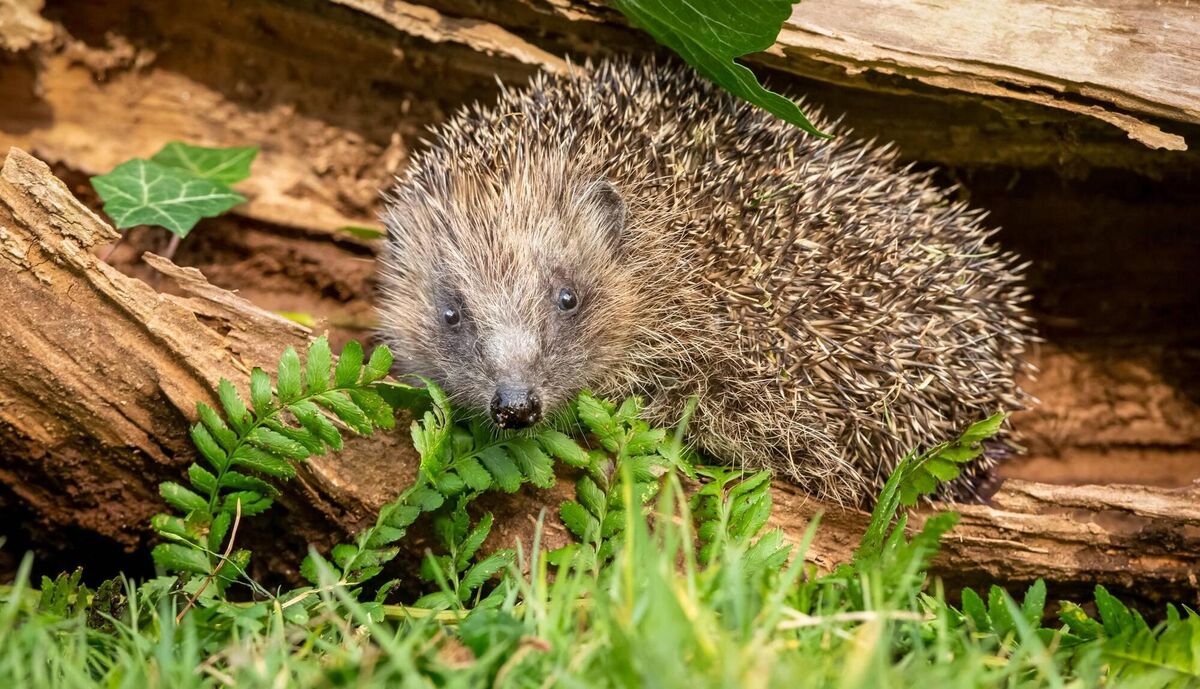
Hibernation usually begins in late autumn, although it is more complicated than simply sleeping until spring. A hedgehog’s body temperature falls, its heart rate and breathing slow and its metabolism drops dramatically to conserve energy. They can also wake during winter and may even move between nests. Gardens can therefore make a real difference. Check long grass before using a strimmer. Check piles of branches and leaves before burning them. Make sure ponds have an escape route and watch out for loose netting, open drains and deep holes. A shallow dish of fresh water can also help. If supplementary food is needed, small amounts of meat-based cat or dog food can be offered. The traditional saucer of bread and milk, however, can safely remain in the past. Hedgehogs do not need either. Sometimes progress really is possible.
So, over the next few weeks, if something starts crashing around beneath the hedge after dark, it may be worth taking a look. You could be watching the descendant of an animal brought to Ireland almost 800 years ago, spending its autumn nights eating as much as possible before disappearing into a winter nest. And if ever there was a scientifically defensible excuse for leaving one corner of the garden slightly untidy, the hedgehog may have provided it.
CONNECT WITH US TODAY



Be the first to know the latest news and updates