'Nobody ever spoke about her': Australian woman traces family link to Tuam mother and baby home
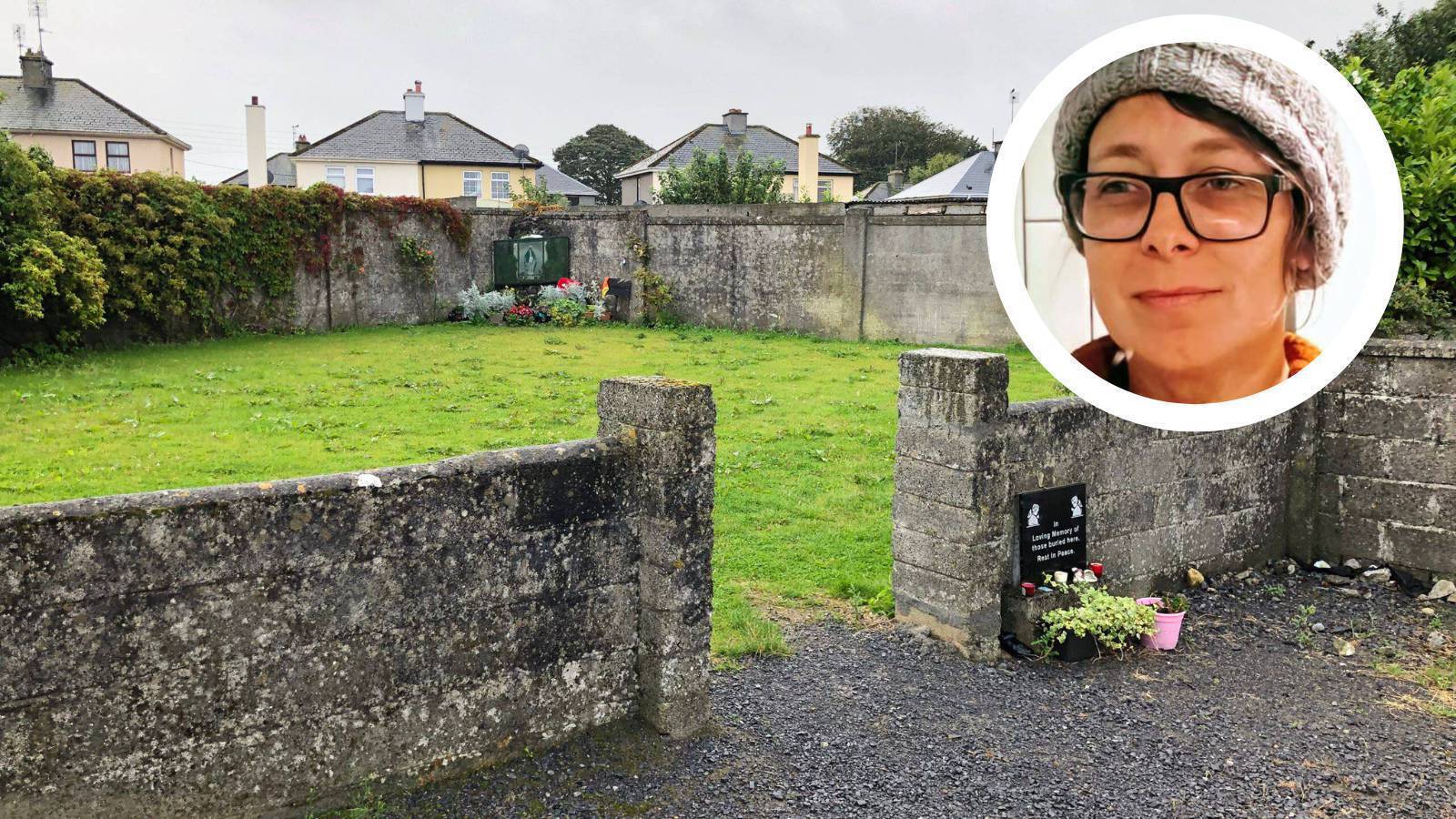
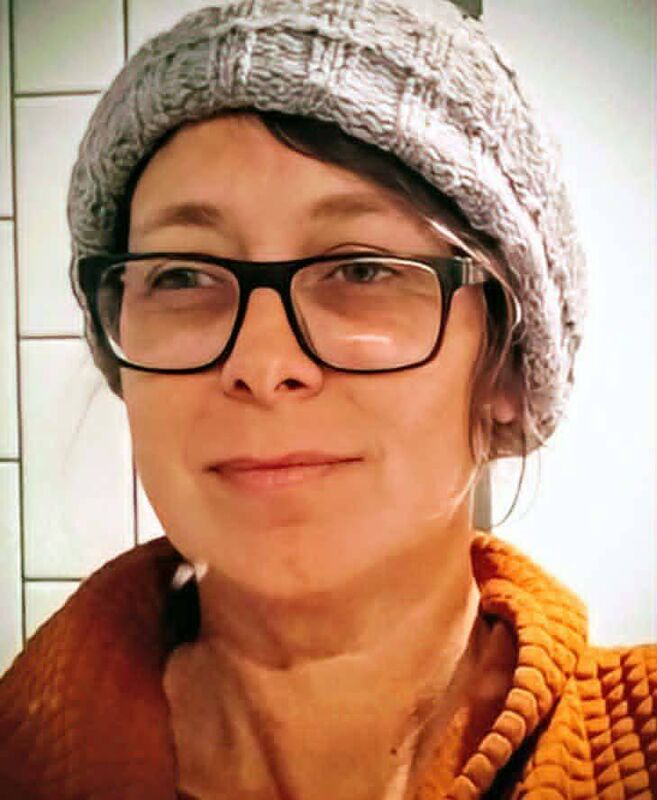
The mass grave at the Bon Secours Mother and Baby Home in Tuam, Co Galway; and inset, Allara Kate Ashton.
An Australian woman who believes one of the first babies to die at the Tuam mother and baby home was her grandaunt’s child, has spoken of her determination to uncover the truth nearly a century later.
Allara Kate Ashton, from Melbourne, says she believes 11-month-old Peter Lally, who died at the Tuam institution on Christmas Day 1925, was the son of her mother’s sister, Rose Lally, from Galway.
Ms Ashton said no one ever spoke about her grandaunt, who was “pretty much banished” from the family. After researching her family's history, she now believes the woman had a baby out of wedlock.
“She was not liked, and no one would mention her,” said Ms Ashton. “Obviously this is why, and I want to know for sure, I believe all my records point to this and I’d be more than happy to provide a DNA test. It’s not even for me. It's for him and that poor, poor young child.”
Baby Peter Lally was among the first children to die at the home for unmarried mothers, which was run by the Bons Secours nuns and opened in Tuam in 1925. Ms Ashton believes his mother Rose vanished from family life as a young woman.
“My mother always said, ‘Nobody ever liked Rose,’” she recalled. “Nobody ever spoke about her. “There is nothing there about her in my records and I believe she was in Tuam, the family were from Galway, and all the records point to this baby."
Through genealogy records, Ms Ashton believes Rose Lally was born in 1909, meaning she would have been just 16 years old when Peter died.
“I’ve got no full proof, and nobody speaks about it,” she said. “But based on our family tree, based on the level of devotion to Catholicism there, the shame, the secrecy, the IRA background in my family, their location and their surname, I highly believe Peter Lally is my mother’s first cousin.”
Ms Ashton said she believes Rose Lally later changed her name to Mary or Mary Rose, and spent time in institutions and remained in Ireland until her death in 1999.
The discovery came while Ms Ashton was recovering from a life-threatening brain aneurysm. Diagnosed in 2021, she decided against surgery initially and instead began searching for answers about her family’s past.
“I knew this pretence of happy families was bullshit,” she said. “I knew growing up there was a level of shame and secrecy that came from somewhere.”
Watching a documentary about the Tuam mother and baby home changed everything. The grounds of the former religious-run institution are being excavated after a mass grave of up to 796 children — some of whom were buried in a septic tank — was uncovered in 2014 by Catherine Corless.
“That was the first time I’d really heard they actually listed people’s names,” she said. “I saw Peter Lally’s name and I just started researching.”
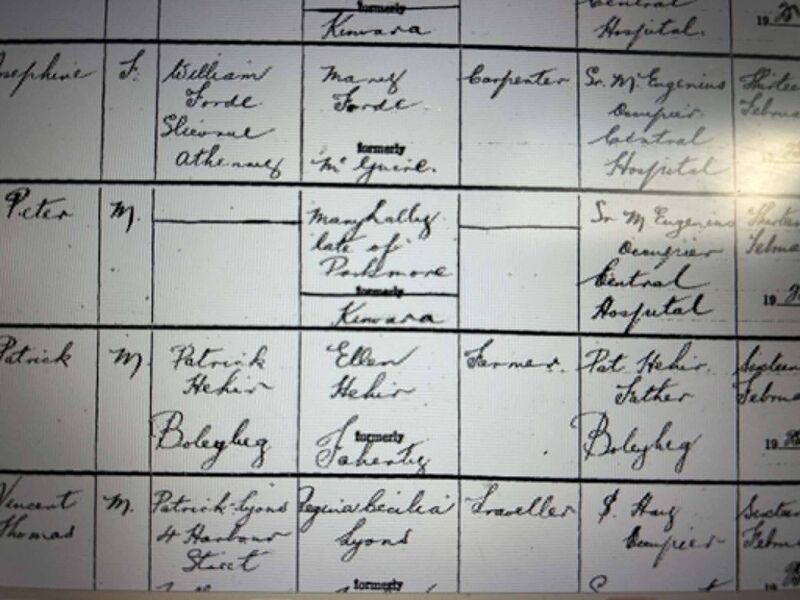
The more she uncovered, the more convinced she became that there was a hidden chapter in her family’s history.
“My grandmother’s family was deeply embedded in the IRA,” said Ms Ashton. “They were message runners and gun runners during the War of Independence.”
Her grandmother, Anne Lally, later known as Nancy Nash, emigrated to Australia after the struggle for independence, but Rose remained in Ireland.
“I believe she married at some stage and died in 1999,” said Ms Ashton.
At present, Ms Ashton does not meet the eligibility criteria for DNA testing. Eligible relatives include parents, siblings, half-siblings, children, grandchildren, grandparents, aunts, uncles, nieces, nephews, and first cousins.
If Peter Lally is indeed related to Ms Ashton, they would be first cousins once removed, a relationship that currently falls outside the programme's eligibility criteria.
To date, 55 family reference DNA samples have been collected by the Office of the Director of Authorised Intervention, Tuam, to help identify remains recovered from the site.
A further 175 people from Ireland and abroad, including Britain, the US, and Canada, have expressed an interest in contributing to the DNA identification programme.
Ms Ashton believes expanding DNA testing would help families.
“There has been a cover-up, and it’s been known for a long time,” she said. “I think that’s why it should be widened. Some people don’t know they have relatives in the Tuam grave.”
For Ms Ashton, the search has become about far more than genealogy. Having studied social work and experienced trauma in her own life, she said uncovering the truth has helped her understand the impact of generations of silence.
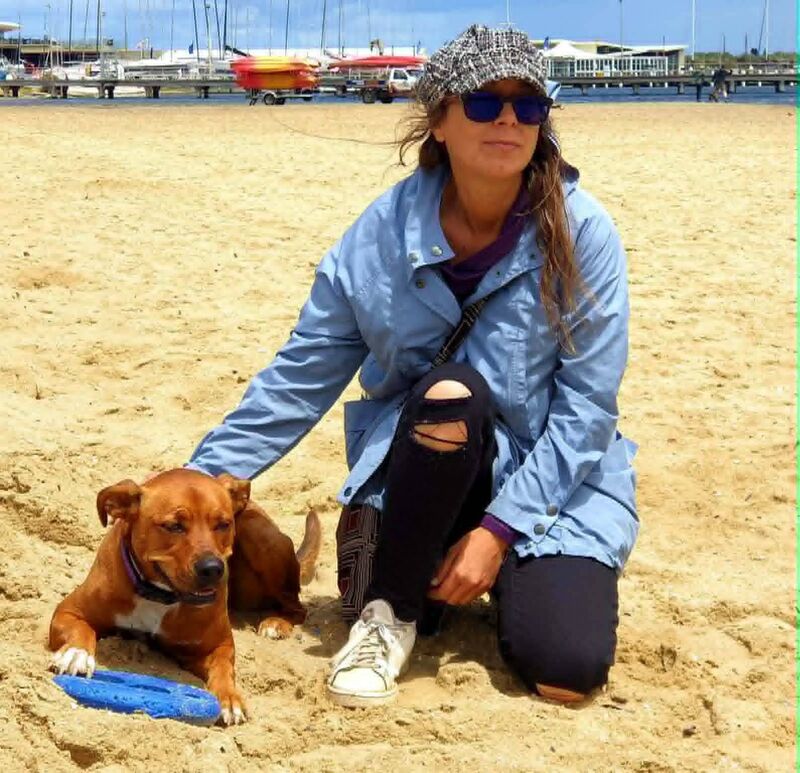
“When you face death every day for four years, you lose all fear,” she said. “In many ways, being kind is to speak out. It's not being good and polite and quiet. It's to speak up and say the truth.”
Although born and raised in Australia, Ms Ashton said she has always felt a deep connection to Ireland. “I feel more Irish than I do Australian or British,” she said.
She also sees parallels between Ireland's mother and baby homes and Australia's treatment of Aboriginal families through the forced removal of children.
“There are people still living who experienced that,” she said. “There are people who had parents who were never parented and are still experiencing the generational impact.”
For now she is prepared to do whatever she can to help establish the truth.
“I’m willing to do anything to support anybody who’s been affected by it,” she said. “It’s not just about my family. It’s about the mothers and the children.”
The Office of the Director of Authorised Intervention, Tuam, was contacted for comment.

CONNECT WITH US TODAY



Be the first to know the latest news and updates