'It was enough to knock the stuffing out of you': What it's like to be on the end of a CPO
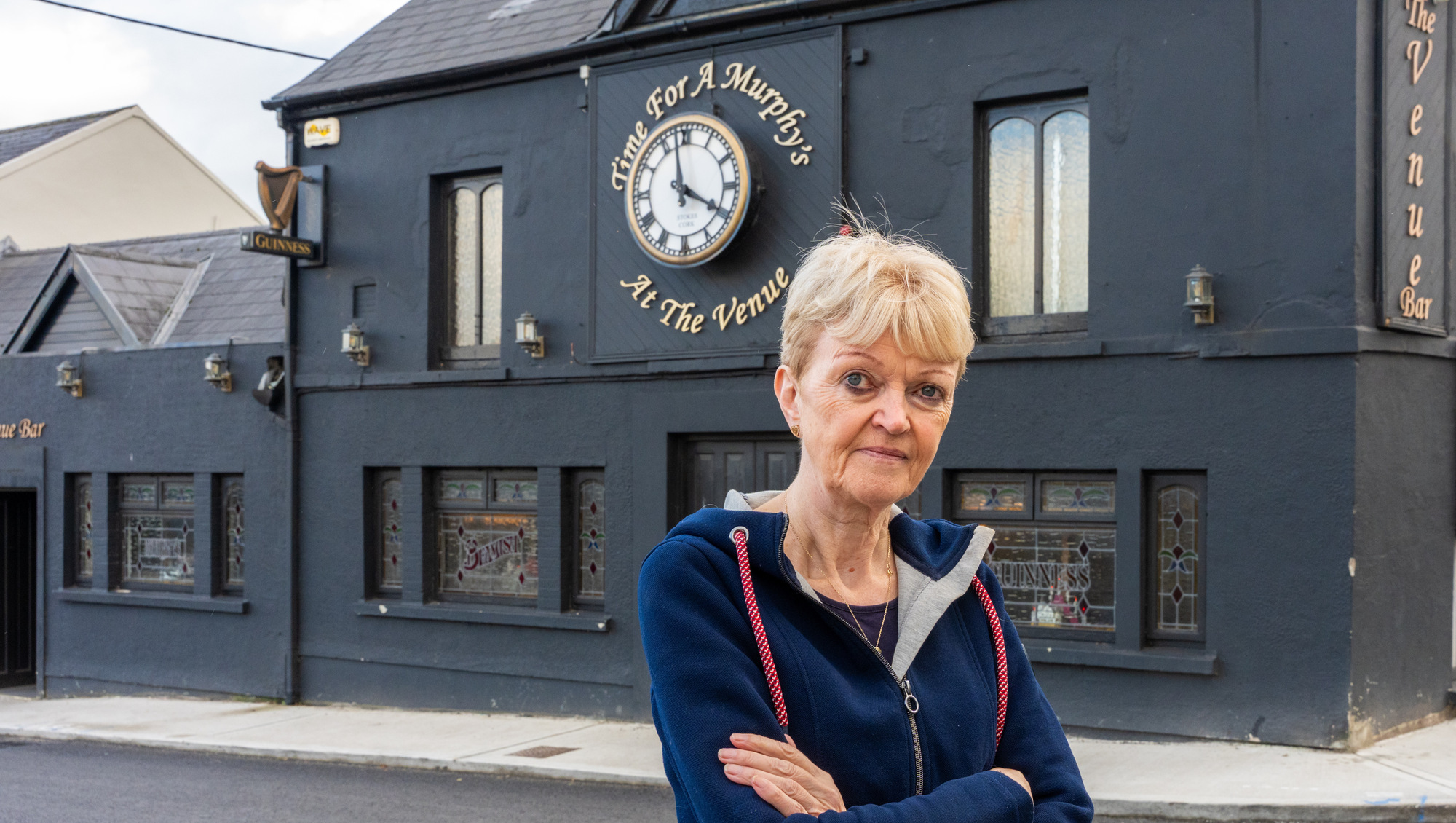
Kate Tierney, owner of The Venue Bar in Ballintemple which is situated on the proposed Cork Luas line and is under a Compulsory Purchase Order by Cork City Council. Picture: Noel Sweeney
There are three words which can frighten the life out of any landowner in the State.
Compulsory Purchase Order, or CPO.
It is one of the many tools in the wider arsenal of the State and its agencies to deliver in areas like infrastructure, whereby a piece of land or a property can be bought by the State without requiring the consent of the owner.
It’s a long-standing process, with the foundations of CPOs having emerged through legislation originally passed in 1845 and 1919.
When you’re thinking about CPOs, it can often boil down to two separate powers: CPO for infrastructure development and CPO for housing.
The latter is often used for things like buying up empty, vacant and derelict properties across cities, towns and villages, with councils using the powers in a bid to clear up eyesores.
It is something that has been strongly encouraged by central Government, with the Department of Housing keeping tabs on the number of CPOs issued each month.
Read More
It isn’t always plain sailing, with struggles to reach out to owners of sites and the potential high costs of restoring crumbling buildings acting as pitfalls in the road.
It led to the Government developing a CPO activation programme, where local authorities can identify vacant and derelict sites and seek to bring them into use.
It allows the council to first find and engage with the landowner, offering support to bring the sites back into use. Where they can’t be found, the council can use its existing powers to acquire the land compulsorily.
While thousands of properties are identified and entered into the programme each year, the numbers which progress towards CPO are much smaller.
For example, there were 5,791 properties added to the programme in 2025, but the CPO process only began on 169 in the same year.
It is a low number, with the Government more keen to get people to renovate and restore properties themselves rather than having the State step in.
The other form of CPO is where a lot more issues can crop up, such as when the State is developing a large piece of infrastructure, and there is a requirement to CPO land or property; it’s often done to more than one person.
It can involve buying parcels of land in the countryside to facilitate a new bypass or acquiring parts of people’s gardens to allow cycle lanes or bus corridors to be developed in towns and cities.
Áine O’Brien, a solicitor with law firm RDJ, says CPO action usually arises when land must be acquired for a wider community benefit.
Remedies are available for those impacted by the acquisition order, whether that be through challenges within the courts or via compensation.
Some CPO cases have reached the headlines in recent months and years, including issues in Kerry surrounding the development of a greenway, leading to disputes with farmers over land acquisition.
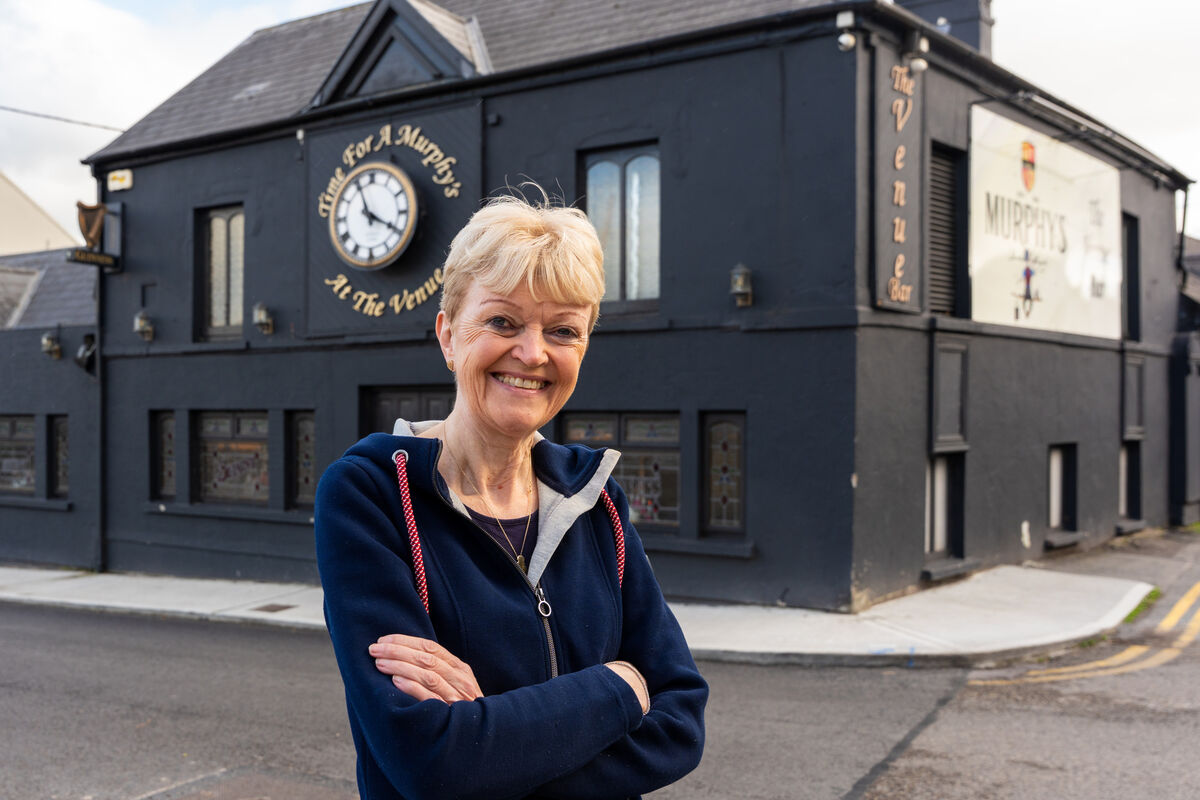
In particular, the Cork Luas project has received attention for the use of CPO when it moves towards construction, with people’s gardens, Bishopstown GAA Club, Highfield Rugby Club, and The Venue Bar all set to be impacted.
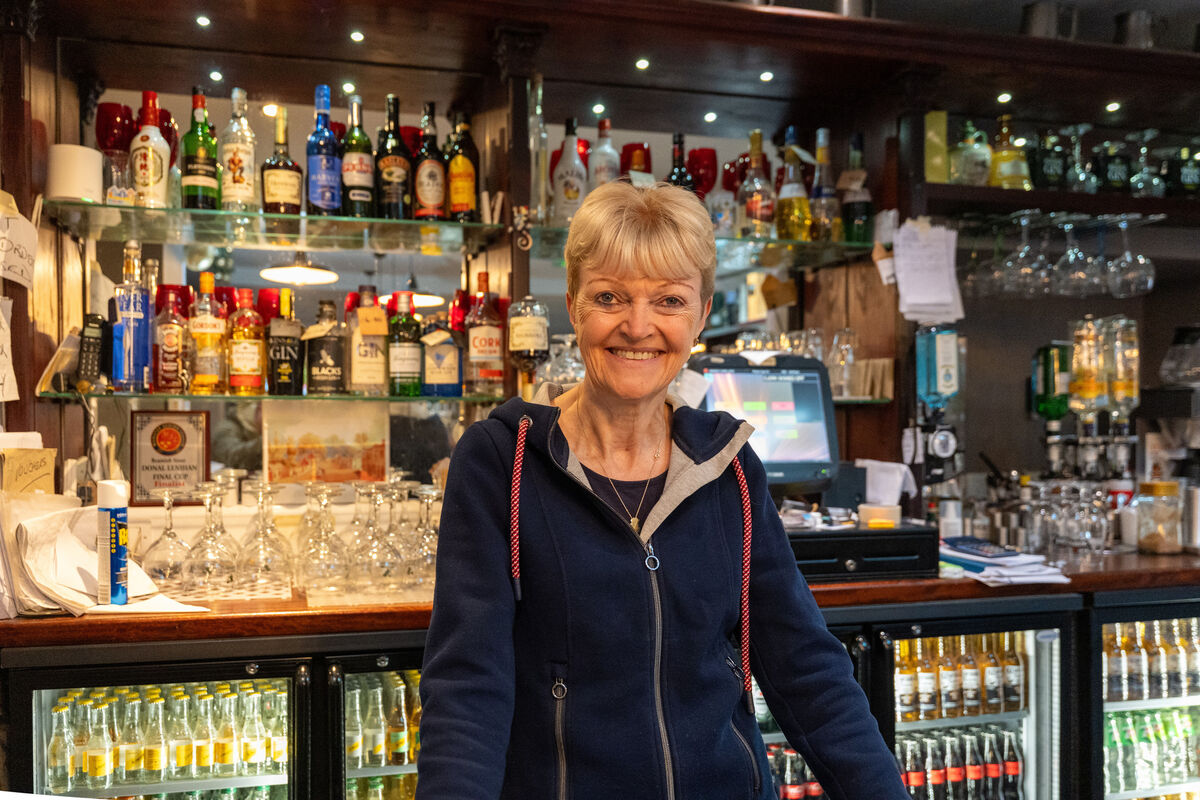
The latter will be demolished outright, with owner Kate Tierney saying it had been “a shock” to her and her partner Con Dennehy when they were first made aware.
Ms Tierney said they received a text from a friend, who sent them the map of the Cork Luas route which was “showing the train going through our building”.
Ms Tierney said:
Since receiving confirmation that the pub was part of the preferred route for Cork Luas, Ms Tierney said they have received no communications from Transport Infrastructure Ireland about a CPO.
“We were considering our options before this happened,” Ms Tierney said, saying they had considered selling or leasing the property.
“We’ve gone to auctioneers to see if it's possible to sell and a couple said, ‘well, not really because there’s a CPO, so you can’t put a value on your building now’.
“Who’d want to buy a building if they don’t know it’s going to be there in a year or two years… It puts you in a deep hole, you don’t know where you are.”
Ms Tierney said some form of legal action against the CPO is on the table, saying it is an option for them “because it’s pretty unfair to us, at our age, to have us in that sort of quagmire”.
On possible compensation for people impacted by CPOs, Ms O’Brien said the “common misunderstanding” is that whoever is buying the land or property decides the price.
This is done through a compensation request from whoever is impacted, before the arm of the State returns with their offer.
“If you and the authority cannot reach agreement on the figure, you can apply to have an independent property arbitrator decide the dispute,” solicitor Áine O’Brien said.
Ms O’Brien said cases can last for a “considerable number of years”.
“The process of making and confirming the CPO itself is designed to move relatively quickly, since it is governed by strict statutory deadlines,” Ms O’Brien said.
These timelines include six weeks for a CPO to be submitted after notification, 12 weeks to publish and serve a notice once it is confirmed.
Finally, there is an 18-month timeframe for authorities to submit a formal invitation to landowners to seek compensation for the transaction.
“In practice, though, the process will often take longer than the statutory timelines would suggest,” she said, highlighting requirements for oral hearings if objections to the CPO are raised, or if a judicial review against the CPO is taken.
“If there is no objection, or your objection is straightforward and quickly resolved, you can generally expect the CPO to be confirmed and completed roughly within the statutory timeframes.
“However, where there is a contested oral hearing followed by a High Court judicial review, the whole process, including any resulting delay or cancellation of the order, could take several years.”
There have been some attempts to reform the CPO process, with Fine Gael’s James Geoghegan introducing legislation in 2025 to introduce statutory timelines and provide those who have their land bought with advance payment.
The Dublin Bay South TD has argued the existing system for CPOs is fragmented, outdated, and overly complex.
His legislation stems from the 2023 report by the Law Reform Commission, which recommended major changes to be made to the CPO process, particularly around land acquisition and early payment.
Mr Geoghegan said he believed local authorities and other agencies should be empowered to pay impacted landowners upfront, rather than waiting for the end of the process.
“There isn't really much of a carrot approach in terms of a property owner or a landowner to be incentivised to voluntarily participate in the process, so it doesn't get marred in legal challenge,” Mr Geoghegan said.
While the legislation is on the Dáil's order paper, the nature of Leinster House means Mr Geoghegan’s private members' bill will only progress if selected as part of the weekly bill lottery.
But he says the Government is moving into a new space on issues like CPO, with commitments for reform within the Programme for Government.
With changes like early payment and more proactive engagement, CPOs might become more palatable for impacted land and property owners.
There were 16 vacant properties compulsorily acquired by Cork’s two local authorities over a two-year period, figures show.
Some 11,950 properties were identified by local councils across the country as vacant or derelict in 2024 and 2025, with 5,719 of those identified last year.
While thousands of properties have been added to the Government’s CPO activation programme, a much smaller number end up being bought up by local authorities.
In 2025, there were 138 properties bought by local councils, while CPOs were refused on 19 vacant or derelict properties. A further 26 CPOs were withdrawn.
Meanwhile, seven local authorities did not complete any CPOs of vacant or derelict properties last year, including Cavan, Donegal, Dun Laoghaire-Rathdown and Wicklow.
Conversely, there were seven local authorities who completed CPO acquisitions into the double digits, including Clare, Kilkenny, Monaghan and Waterford.
In Cork City, there were five CPOs completed, with three in Cork County. In 2024, the local authorities were swapped, with Cork City completing three and Cork County completing five.
According to the Department of Housing, there were 169 CPOs commenced in 2025.
In a parliamentary question response earlier this year, housing minister James Browne said local councils can engage with property owners to bring the homes back into use before they are able to use legislative powers to compulsorily acquire houses.
Other measures available to tackle dereliction include the Vacant Property Refurbishment Grant, which provides up to €50,000 in grant funding to renovate a vacant house. A further €20,000 top-up is available for renovations of derelict properties.
It comes as the Government is preparing to introduce a new derelict property tax, which will be collected by the Revenue Commissioners rather than by local authorities. The tax will be charged at a rate of 7% of the property’s market value.
There will be a requirement for local councils to draw up lists of derelict buildings in their areas to provide to Revenue from January. The tax will come into effect shortly thereafter.


CONNECT WITH US TODAY



Be the first to know the latest news and updates